

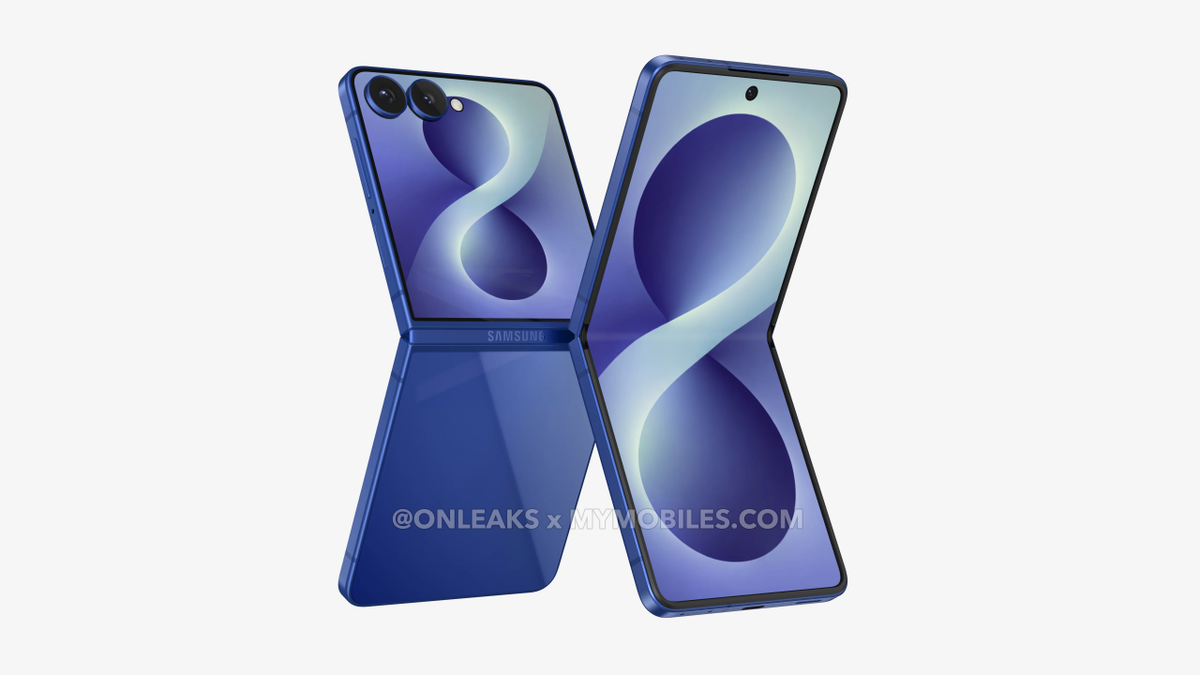
Galaxy Z Flip 8 may feature an Exynos processor in these regions
Samsung is likely to use an Exynos 2600 chipset for the Galaxy Z Flip 8 sold in select regions. According to a new report (translated source) from The Bell, these regions will include South Korea and Europe.This move could follow the same dual-chip strategy Samsung returned to with the Galaxy S26 series. Both the vanilla model and the Galaxy S26 Plus are sold with a Snapdragon 8 Elite Gen 5 processor in North America, China, and Japan, and an Exynos 2600 chipset in the rest of the world.
It’s about saving money

The Galaxy S26 used the dual-chip strategy. | Image by PhoneArena
The new report says that the Exynos 2600 comes with a lower cost than the leading Snapdragon chip, echoing earlier claims by tipster yeux1122. This difference is of extreme importance as we’re in the middle of the so-called RAMageddon, leading to higher RAM and storage costs and increased prices for other components.Another factor to use the dual-chip strategy for the Z Flip 8 but not for the wide Galaxy Z Fold 8 and the Galaxy Z Fold 8 Ultra could be what customers expect of this device. Portability and design are the priorities with Samsung’s flip phones, which makes top-tier performance less important for these models.
Continuing in 2027
Apparently, the Z Flip 8 is only the beginning for Samsung. The company is reportedly planning to expand “the scope of Exynos application” to new products scheduled for next year. It remains unclear what these new products may be.This makes it safe to assume that the Galaxy S27 and Galaxy S27 Plus will have versions with Exynos chipsets, but it also means they may skip the future Snapdragon flagship chip altogether. It is still unlikely to see an Exynos chip inside the Galaxy S27 Ultra and the Galaxy Z Fold 9, but such a move is not completely out of the question.
Samsung’s salvation could be to defy expectations with the upcoming Exynos 2700 chip, which has already appeared in leaked benchmarks. That would build on the already good performance of the Exynos 2600.
My colleague Peter used the Exynos-powered version of the Galaxy S26 Plus in our review and found the performance perfectly sufficient. It was less impressive than the Snapdragon in the Galaxy S26 Ultra, but it still firmly beat the Pixel 10 Pro in all benchmarks, and even the iPhone 17 Pro in the multi-core tests.
Fair price to pay
If using an Exynos chip is what it takes to keep the price of future Galaxy phones down, I’d be happy for Samsung to go that way. Still, the Ultra flagships should get the best possible chips, even if they’re pricier.
