

And, on paper, that’s true: apps load faster, cameras are more potent than ever and batteries (at least in Xiaomi, Oppo, Vivo and Honor devices) have long crossed the 5,000 mAh mark (where Samsung, Apple and Google have been stuck for almost a decade now).
Yet, for the majority of everyday tasks, I doubt if anyone could feel the difference between a 2026 flagship and a 2023 or 2024 one.
But I get it: bragging is part of the game.
Last night, at the WWDC 2026, Apple sure did brag a lot about the upcoming enhancements both in iOS 27 and in the revamped Siri AI.
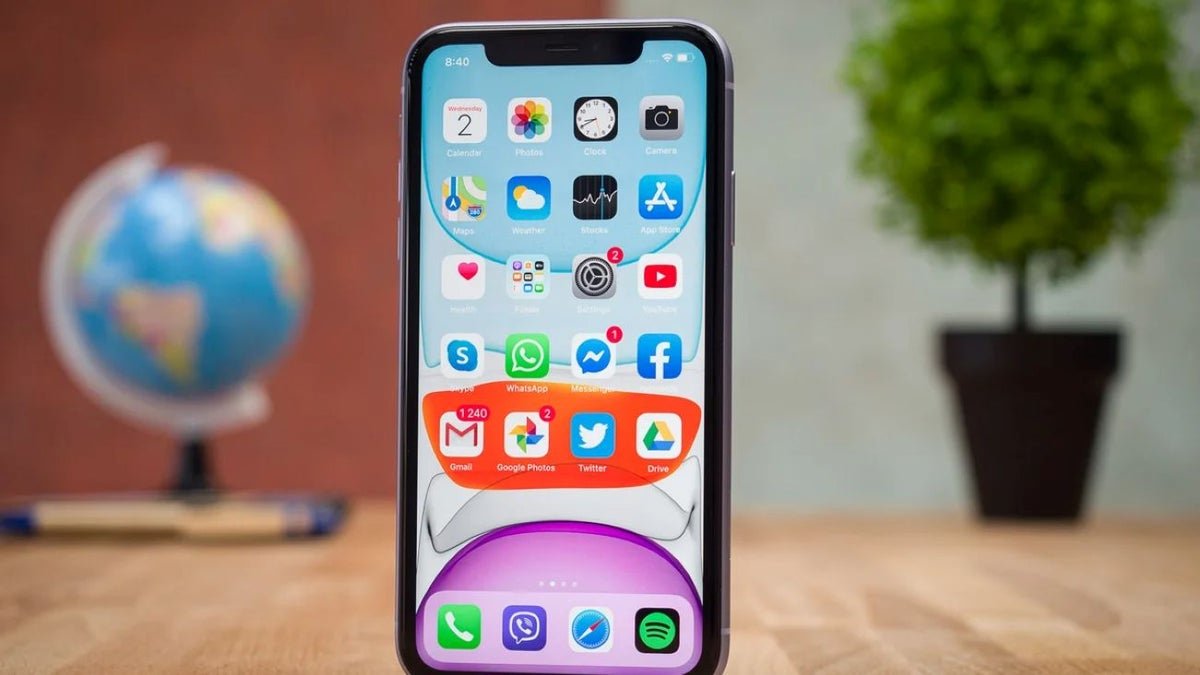
It became clear that Apple has decided to keep the iPhone 11 alive for another year with iOS 27. Going into the event, many people expected the 2019 lineup to finally reach the end of the road. Instead, Apple did the exact opposite.
Not impressed
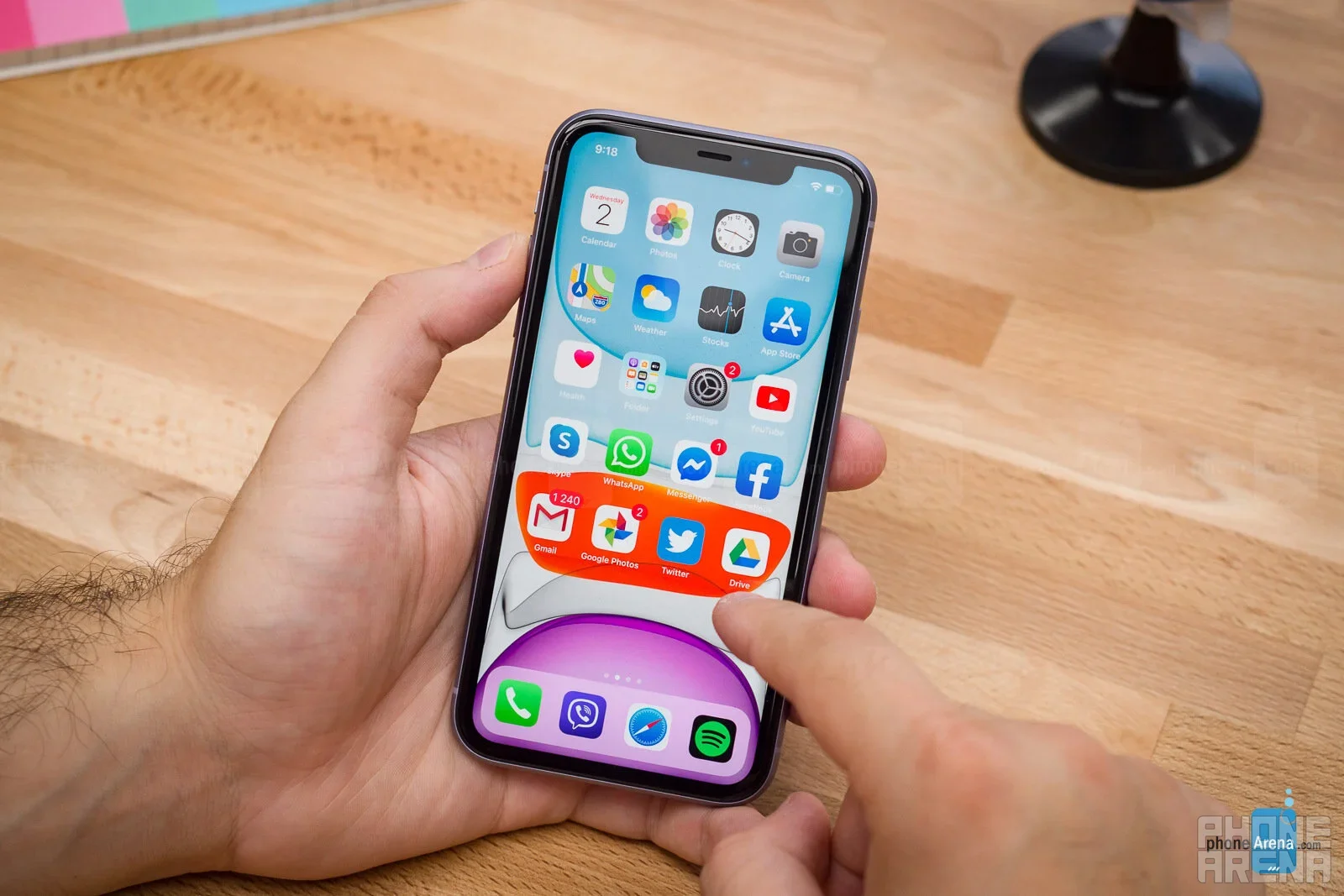
Look at those bezels, man. | Image by PhoneArena
On paper, this is excellent news.
Long software support has become one of Apple’s biggest advantages, and nobody should complain about getting free updates for longer. If you’re still carrying an iPhone 11 in your pocket in mid-2026, congratulations. You’ve gotten tremendous value out of that device.
But I can’t help wondering how practical this decision really is.
Seriously, how many people do you know who still use an iPhone 11 every day?
The phone launched in September 2019. That’s the B.C. (Before COVID) era. In smartphone years, that’s practically ancient history.Sure, there are still some iPhone 11 users out there, but most people I know moved on years ago. Some upgraded to the iPhone 13, others to the iPhone 15, and plenty have already jumped to even newer devices (the iPhone 17 is a market hit for a reason).
The reality is that smartphones aren’t built to last forever, regardless of how many software updates manufacturers provide.
Mixed feelings
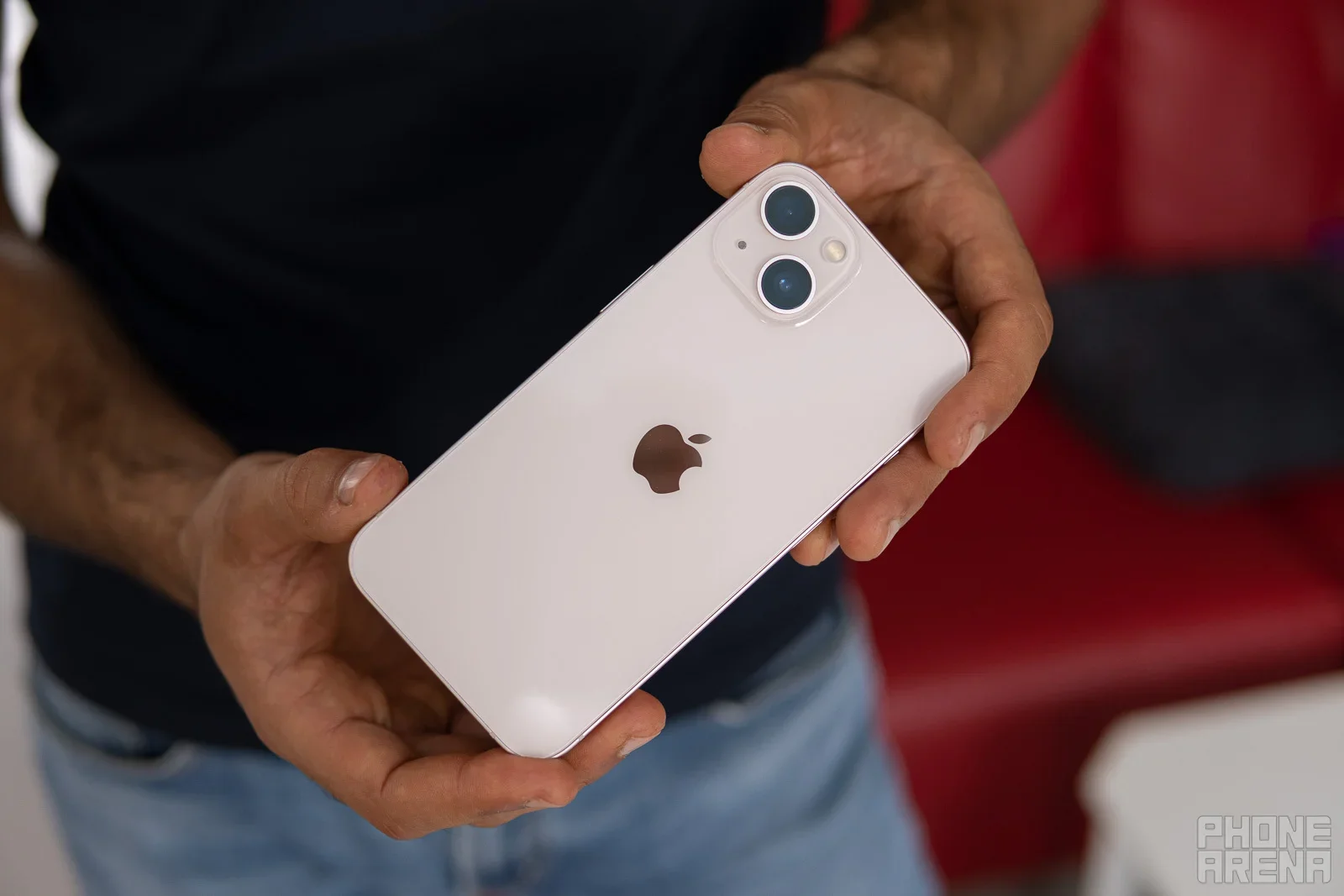
The iPhone 13 is aging fast already. | Image by PhoneArena
Cupertino is essentially saying that a seven-year-old phone can run its newest operating system. That sounds impressive until you look at what’s happening with much newer devices.
Take the iPhone 13, for example.
The iPhone 13 arrived two years after the iPhone 11, yet reports are already emerging about aging batteries, slower performance and increasing complaints from users. Search interest for phrases related to battery problems and sluggish performance has reportedly surged over the past year.
Some users have even blamed recent software updates for serious stability issues.
None of this is particularly shocking. The iPhone 13 is now more than four years old, and batteries naturally degrade over time. Hardware wears down, while apps become more demanding.
Uh, excuse me?
So when I hear that the iPhone 11 is getting iOS 27, my initial reaction isn’t amazement. My first reaction is curiosity and there are two possible explanations.
The first is that Apple has pulled off some kind of engineering miracle and created an operating system that remains genuinely usable on hardware from 2019.
The second is that iOS 27 is relatively lightweight and conservative, without the kind of demanding new features that would push older hardware beyond its limits.
And honestly, I’m not sure which explanation is better for Apple.
A matter of perception
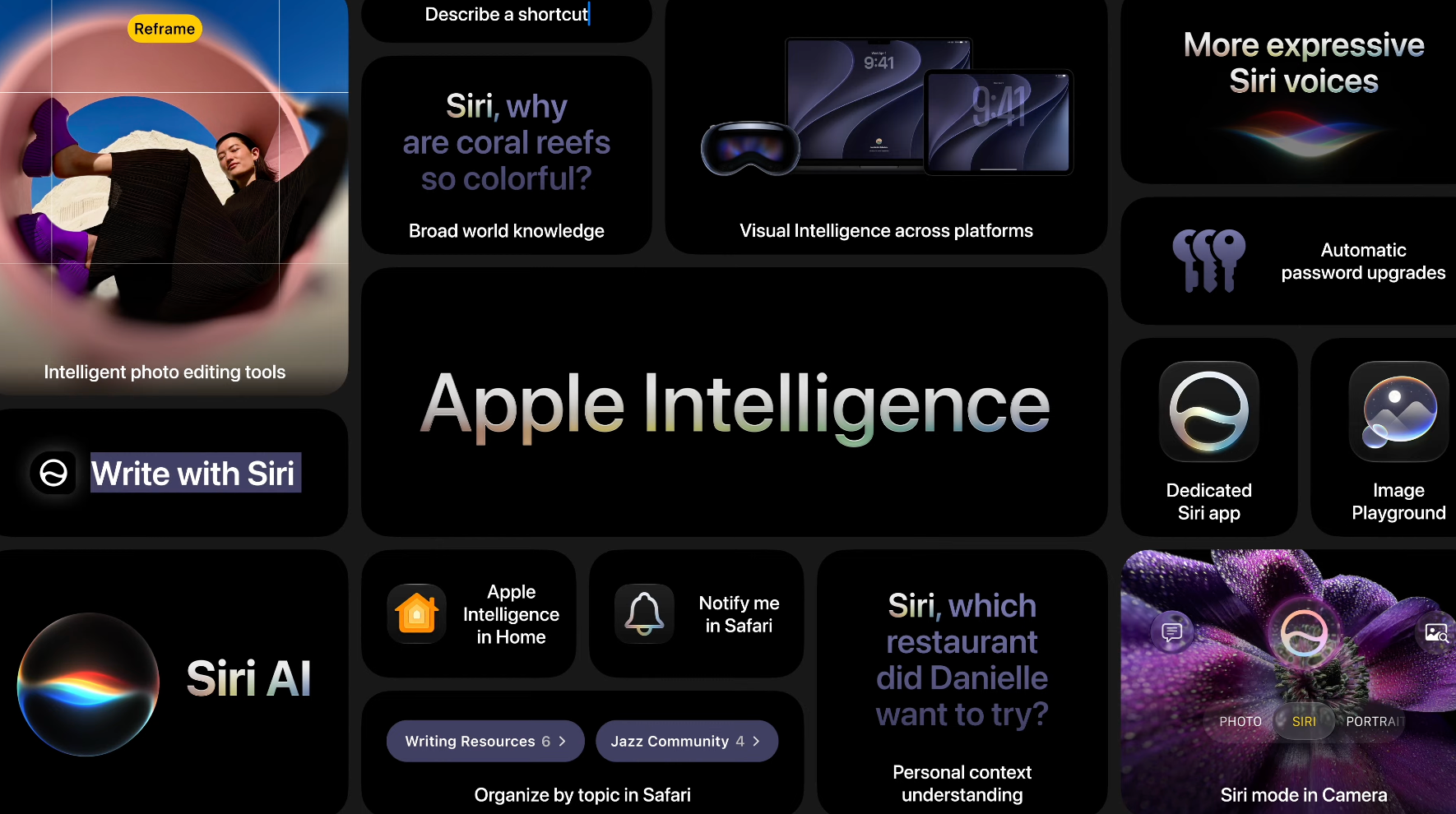
Apple’s iOS 27 is all about AI. | Image by Apple
Apple would probably prefer people to view this as proof of its commitment to long-term support. That’s certainly part of the story. But there’s another side to it.When Apple unveils a new iPhone, the message is always about power. Faster chips, better AI (pun intended for this one), more advanced hardware – enough performance to handle the future.
Ideally, Apple should be standing on stage saying that its latest phones are so powerful that they’ll comfortably receive updates for the next five, six, or seven years.
Instead, the conversation after WWDC became focused on a device that debuted during a completely different era of technology.
It’s odd
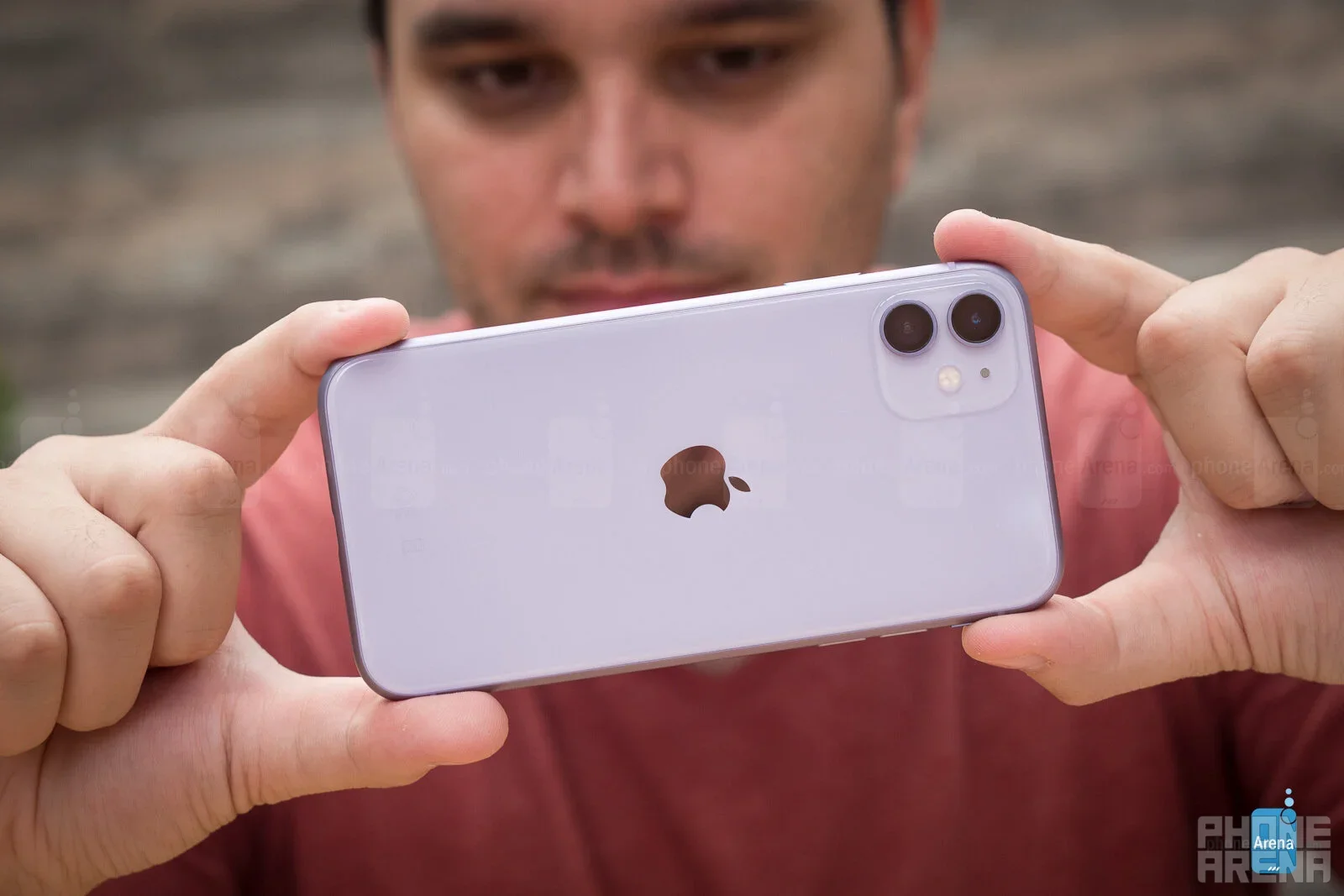
Maybe it’s time to upgrade? | Image by PhoneArena
It almost feels as if Apple is retroactively discovering that its newest operating system can run on hardware much older than expected. Whether that’s true or not doesn’t matter. That’s how it looks… and appearances matter.
Hey, I’m not saying we should leave old phones in the forest and only use current-day flagships.
If iOS 27 runs beautifully on an iPhone 11, that’s fantastic and Apple deserves credit. If it technically runs but delivers a compromised experience, then the update is nothing more than an empty exercise in engineering and vanity.
Maybe I’m wrong. Maybe thousands upon thousands of people are still happily using their iPhone 11 every day and will genuinely benefit from iOS 27. If that’s the case, I’m happy for them.
