

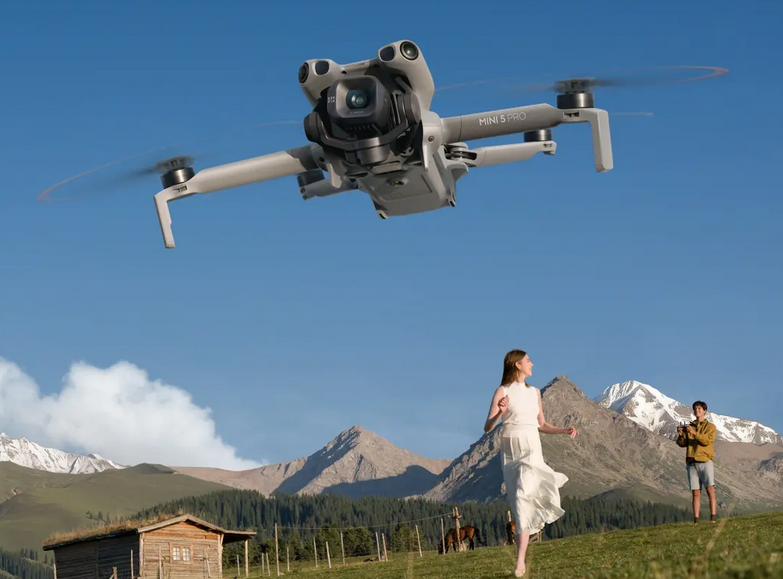
Whether you’re a content creator, travel enthusiast, or hobby flyer, DJI remains the go-to brand for consumer and prosumer drones thanks to its blend of innovation, performance, and ease of use. As we head into 2026, several models from the brand are already flying in the skies, while rumors of new models have also surfaced online. So here’s a look at the best DJI drones worth considering in 2026.
1. DJI Mavic 4 Pro: The Professional Imaging Powerhouse
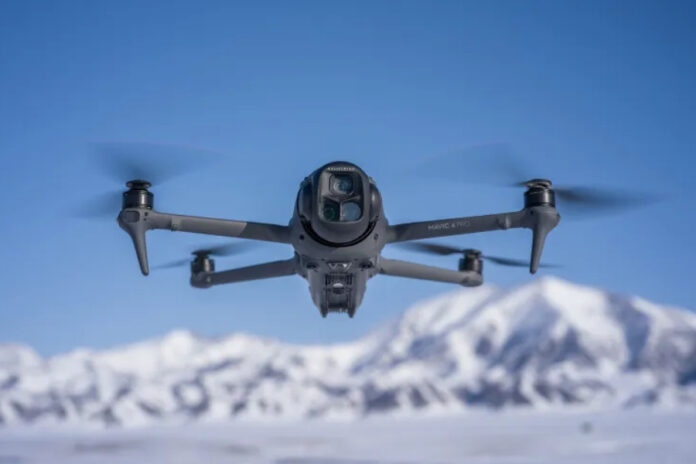
DJI Mavic 4 Pro
The DJI Mavic 4 Pro stands out as DJI’s flagship ready-to-fly camera drone, combining cutting-edge aerial imaging with long flight times. Launched in 2025, it features a triple-camera array including a 100 MP 4/3-inch Hasselblad sensor, capable of stunning 6K/60fps video and high-resolution stills. This makes it ideal for filmmakers, professional photographers, and serious creators.
With a flight time of around 51 minutes, omnidirectional obstacle avoidance, and an improved RC Pro 2 controller with a high-brightness screen, the Mavic 4 Pro provides the tools needed for advanced projects without much compromise. Though not launching in the US due to market decisions, enthusiasts abroad can still access this flagship with high-end creative potential.
2. DJI Mini 5 Pro: Next-Gen Compact Creator Drone
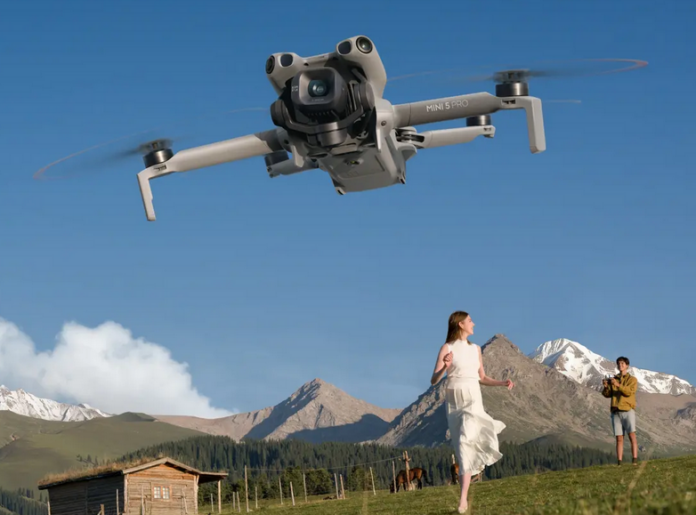
DJI Mini 5 Pro
For flyers who value portability without sacrificing performance, the DJI Mini 5 Pro pushes the boundaries of the sub-250 g category. The drone brings a 1-inch CMOS sensor capable of 4K/120fps video and 50MP stills, with improved obstacle sensing and up to 36–50 minutes of flight time depending on configurations.
It also includes 225° gimbal rotation for more dynamic shooting angles and advanced tracking features, making it one of the most versatile “mini” drones for content creators and travelers who want pro-level video hands-free. You also get a max range of 20km (FCC).
3. DJI Flip: Compact Fun & Creative Flexibility
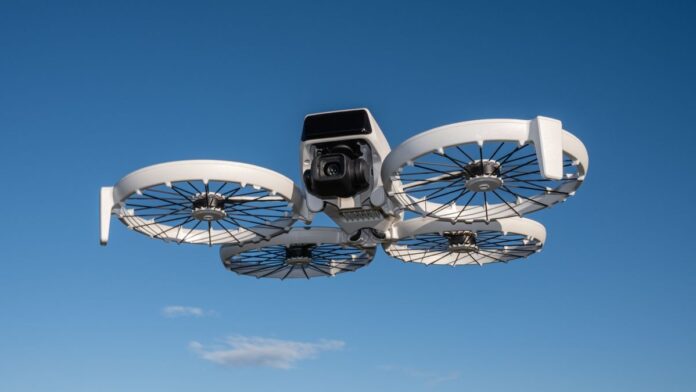
DJI Flip
Back in January 2025, the popular drone maker released another tiny drone called the DJI Flip. This model promises to bridge the gap between ultra-light mini flyers and full-feature drones. Designed with LiDAR sensors, 4K/100 fps recording, and creative shooting modes out of the box, Flip looks to offer a blend of performance and portability for vloggers and casual users alike.
This lightweight drone can even be folded for improved portability. There is even a three axis gimbal for stability and a quad propeller system is covered and protected on all sides. Similar to the DJI Mini, you get a sub 250 gram body with the DJI Flip.
4. DJI Avata 360: Immersive FPV Flight Experience
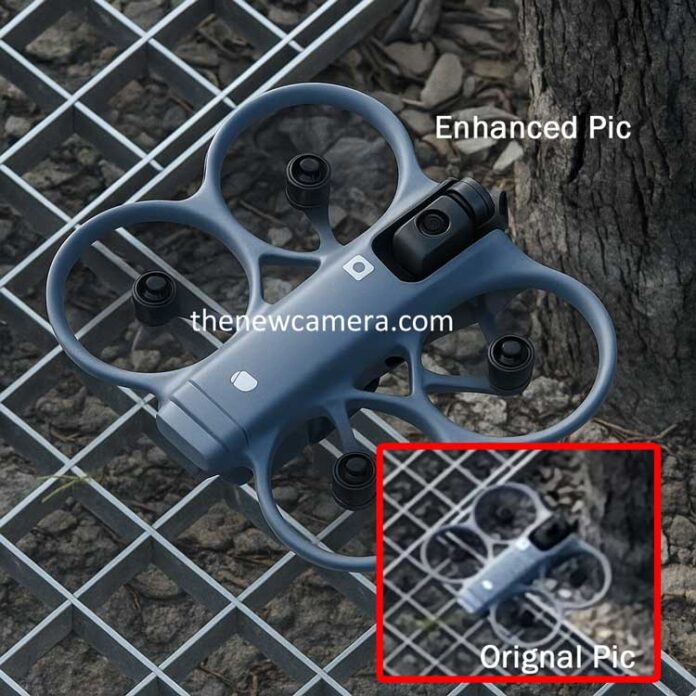
DJI Avata 360
For immersive first-person view (FPV) flying, the DJI Avata 360 will reportedly bring enhanced action-style footage and agility in an FPV-optimized frame. This model might be the direct competitor to the Insta360’s Antigravity A1, the company’s first drone expected to launch in January next year. It is designed to complement DJI’s traditional lineup by offering a cinematic, pilot-centric experience that’s tough to replicate with standard camera drones. This model is also expected to offer 8K video capture, obstacle avoidance, and 1/1.1–inch CMOS sensors.
5. DJI Neo 2: Lightweight & Beginner-Friendly
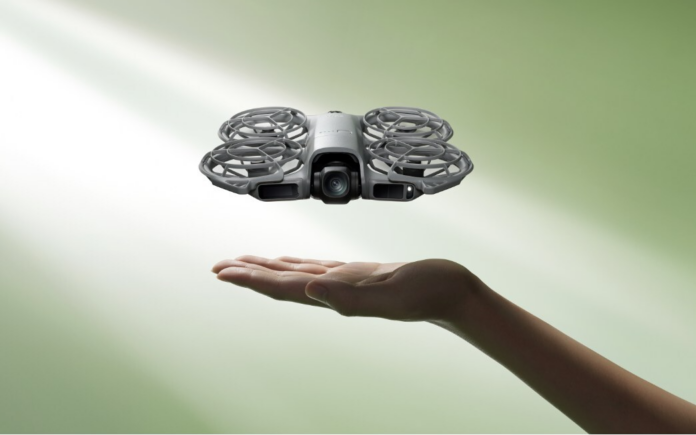
DJI Neo 2
At the other end of the spectrum, the DJI Neo 2 is one of the lightest consumer drones DJI offers, weighing in at around 135 g. Its ultra-compact size and simplified controls make it a great choice for beginners, vloggers, or anyone who wants casual aerial shots without heavy regulatory hurdles.
Despite its small size, the Neo 2 delivers 4K footage and user-friendly features like AI subject tracking, quick shots, and app-based controls, making it a strong option if you want an easy-to-fly drone that’s ready right out of the box.
For more daily updates, please visit our News Section.
Don’t miss a thing! Join our Telegram community for instant updates and grab our free daily newsletter for the best tech stories!
