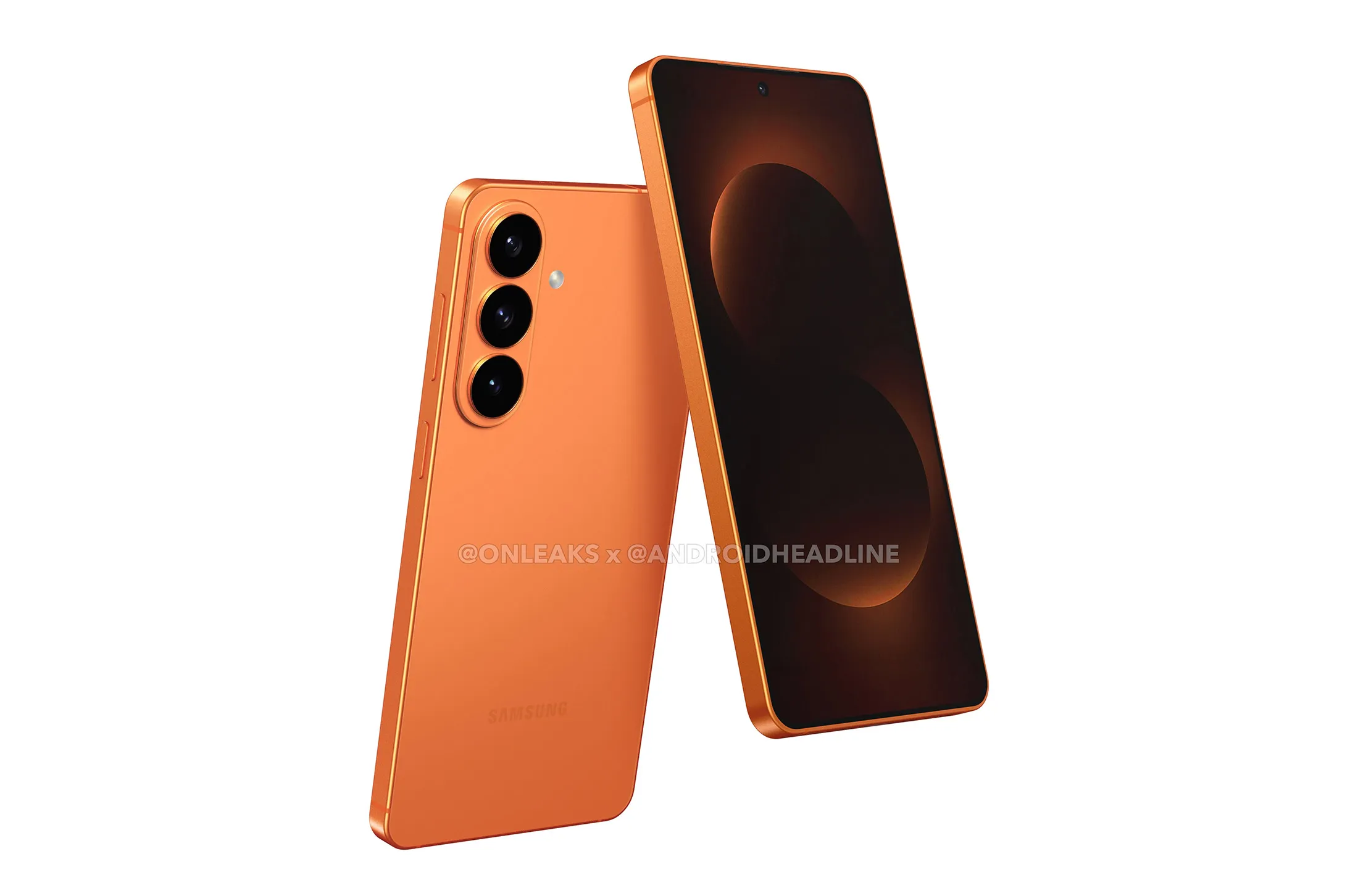
LPDDR6 is the next-generation low-power DRAM designed for smartphones. It brings faster performance, better power efficiency, and stronger reliability than today’s LPDDR5X memory. With higher speeds and smarter power management, LPDDR6 is set to play a key role in upcoming flagship devices.
The numbers show a clear jump. LPDDR5X currently tops out at around 8.533 Gbps. LPDDR6 is rated to operate between 10.667 Gbps and 14.4 Gbps. That translates to nearly double the data throughput. A smartphone like the Galaxy S26 equipped with LPDDR6 could move roughly twice as much data per second as current phones, making apps, games, and AI features noticeably faster. For perspective, LPDDR5X itself was already about 33 percent faster than LPDDR5.
1. Key LPDDR6 Improvements
The jump from LPDDR5X to LPDDR6 brings several technical advances:
Higher Bandwidth: LPDDR6 drives data at up to 14.4 Gbps, versus LPDDR5X’s 8.533 Gbps. This almost doubles memory bandwidth, allowing game assets, AI models, and other large data transfers to flow twice as fast.
Multi-Channel Access: Each LPDDR6 chip uses two 12-bit channels per die (24-bit total) instead of LP5X’s 2×8-bit lanes. Memory can read and write more data in parallel, cutting latency and boosting multitasking capability.
Smarter Power Saving: LPDDR6 runs at lower voltages and adds dynamic power modes like DVFS-L and single-channel low-power states. The chip can throttle down when idle. Samsung reports that LPDDR6 achieves about 21% better energy efficiency than the prior generation. LPDDR5X itself was 24% more efficient than LP5. In real phones, this means heavy workloads like 5G streaming, AI tasks, and gaming consume noticeably less battery.
Built-in Reliability: LPDDR6 includes on-die ECC and parity checks for data integrity. Errors that might crash an app or corrupt a photo are now auto-corrected, making the S26 more robust under extreme use.
2. Real-World Benefits
These upgrades deliver practical improvements. You’ll see faster app loads, smoother multitasking, and richer features. Gaming on LPDDR6-equipped phones will be stable even under high load. Textures and levels load instantly from memory without stutter. Photography and video apps can buffer more frames for better high-speed capture. Industry analysts noted that LPDDR5X’s speed already “delivers better user experiences across memory-intensive applications such as gaming, photography and streaming media.” LPDDR6 will amplify those gains. Think near-instant load times in open-world games or seamless 4K video editing on your phone.
3. Longer Battery Life
LPDDR6 can also extend battery endurance. By fine-tuning its operating voltage and idling unused channels, it sheds extra watts during light tasks. Early reports suggest LPDDR6 can cut dynamic power by about one-fifth compared to LP5/5X. In practice, this means the Galaxy S26 could last longer on a charge when doing the same heavy tasks, because the RAM itself uses less power. Samsung’s own tests claim roughly 21% energy savings when performing AI and inference workloads on LPDDR6 versus older memory.
4. Launch Delay and RAM Crunch
All these benefits make LPDDR6 a huge selling point for the S26. However, rumors suggest we may have to wait longer to see it. Early leaks now indicate Samsung has pushed the S26 launch into late February 2026, with sales in March, instead of the usual January window. The likely culprit is the global DRAM shortage. Analysts describe an “ongoing RAM drama” where surging AI and data-center demand has squeezed mobile DRAM supply. Industry reports say a high-level Samsung-Micron meeting was arranged at CES 2026 to negotiate LPDDR5X and future LPDDR6 chip supply. Memory chips, especially high-speed LPDDR5X modules, have become scarce and pricey. Samsung’s internal documents note LPDDR5X module prices skyrocketed recently. This crunch likely forced Samsung to delay the S26 unveiling and may push up its price.
For more daily updates, please visit our News Section.
Tech enthusiast? Get the latest news first! Follow our Telegram channel and subscribe to our free newsletter for your daily tech fix!