

CES 2026 didn’t centre entirely on smartphones, yet several new phones showcased at the event captured attention for their bold ideas and varied approaches to mobile design. From ambitious foldables and productivity-oriented flagships to fresh takes on connectivity and communication, the show offered glimpses of what to expect in the smartphone landscape through 2026.
Foldables and flagship innovations
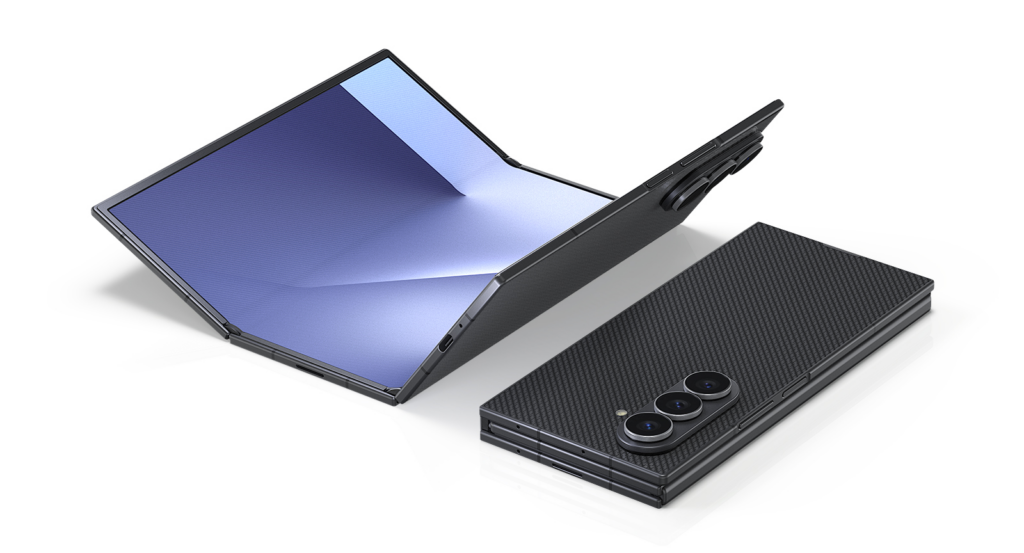
One of the most eye-catching phones at CES 2026 was the Samsung Galaxy Z TriFold, a tri-folding device that opens up into a large 10-inch internal display while still folding into a compact form. This much-talked-about phone runs on a powerful Snapdragon chipset and features a 200-megapixel main camera, aiming to blend productivity and entertainment in a single device. Samsung announced pricing at 3.59 million won (around $3,700) in Korea, with wider global availability planned in the coming months.

Motorola joined the foldable conversation with the Motorola Razr Fold, a new book-style foldable that brings an 8.1-inch internal display and a 6.6-inch external screen into a design that pays homage to its classic Razr lineage. It also integrates a triple 50-megapixel camera array and stylus support that aims to appeal to productivity-oriented users.
Flagship phones also featured strongly. Motorola’s Signature phone, equipped with Snapdragon 8 Gen 5 performance, a 6.8-inch Extreme AMOLED display and a 50-megapixel triple camera setup, was priced at about €999 (approximately $1,170) in its initial European markets.
Fresh ideas and practical picks
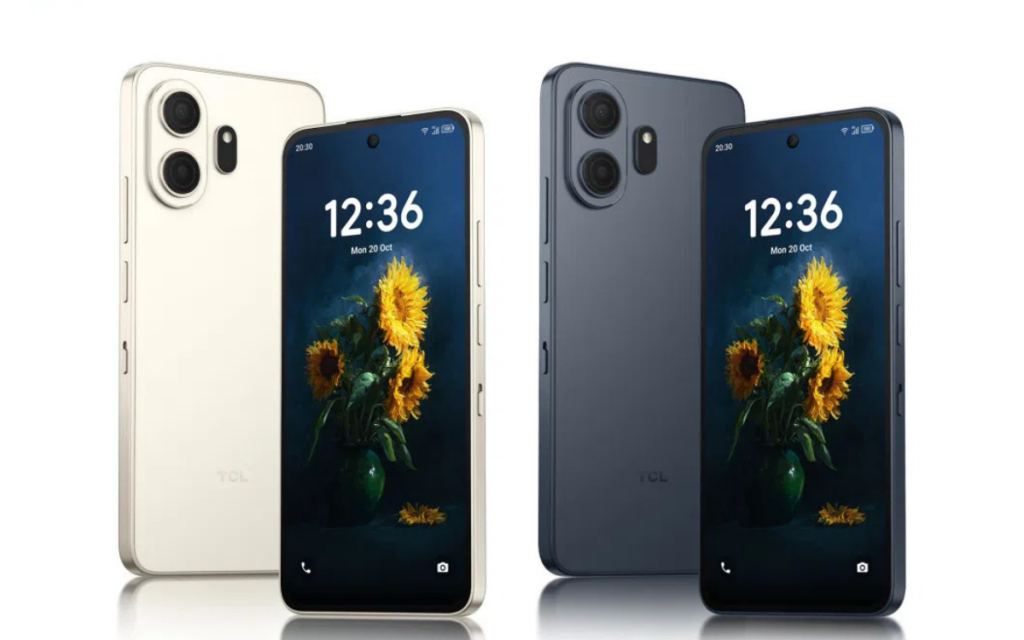
Beyond foldables and traditional flagship models, several devices stood out for their unique propositions. TCL’s Nxtpaper 70 Pro grabbed interest with its eye-friendly matte display and Gemini AI support, bringing a fresh idea for mid-range phones. The 256 GB configuration was announced at €339 (around $400), positioning it as a compelling alternative in its segment.
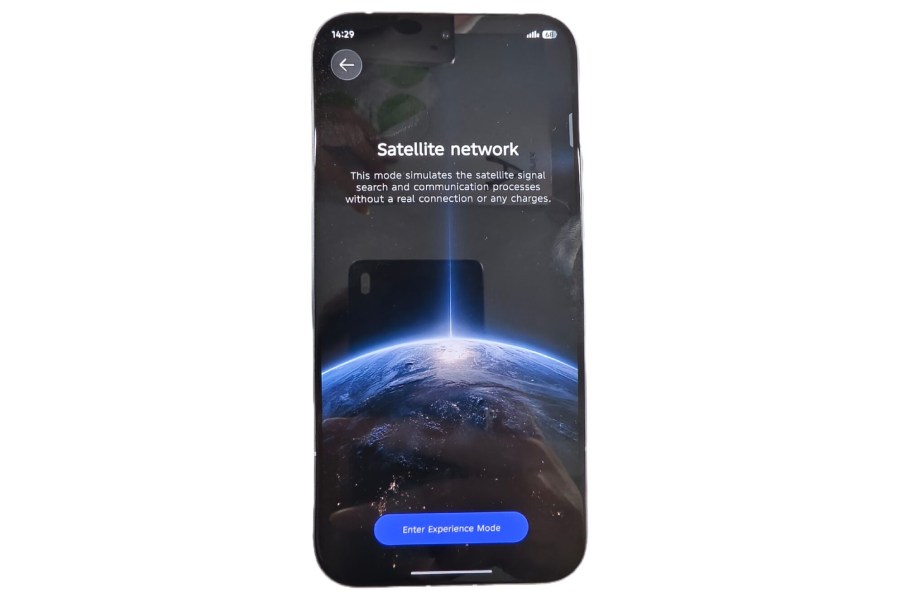
Infinix also made a notable appearance with its Infinix Note 60 series, highlighted for global satellite calling and messaging support, a feature that allows basic communication even where conventional networks are unavailable. While official pricing hasn’t been fully confirmed, the innovative connectivity and the introduction of HydroFlow liquid cooling and ModuVerse modular accessory support suggest that Infinix is aiming for a mix of utility and differentiated features at an attractive price point.
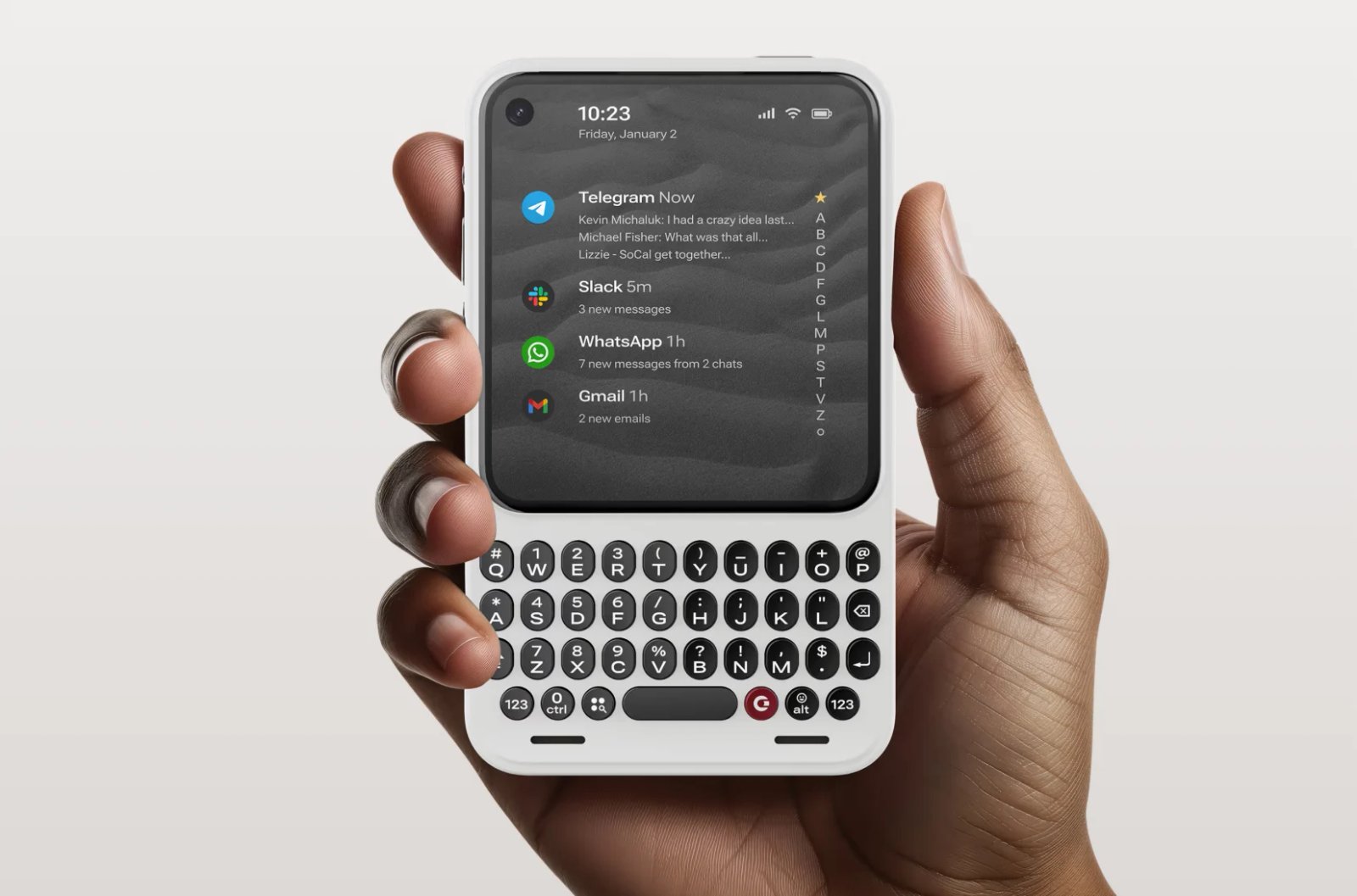
A particularly intriguing announcement at CES 2026 was the Clicks Communicator, a smartphone designed with a physical QWERTY keyboard that evokes the nostalgia of classic BlackBerry-style devices. It features a 4.03-inch AMOLED screen, Android 16 with support for major messaging apps, a 50-megapixel rear camera, and 256 GB of storage expandable up to 2 TB via microSD. The device was priced at $499 for full retail, with early reservation pricing starting at $399.
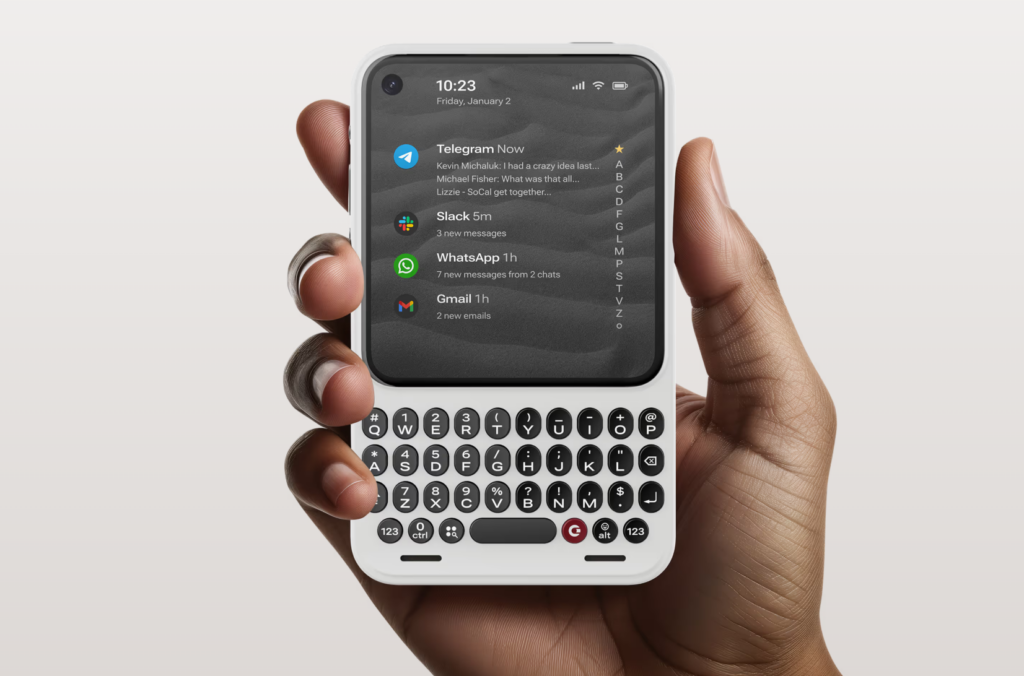
The Communicator’s focus on messaging and productivity offers a different take on smartphone use, where tactile input and streamlined communication replace hours of endless scrolling. It also includes a 3.5 mm headphone jack, a 4,000 mAh battery, and is pitched both as a secondary device and a possible primary phone for enthusiasts of physical keyboards.
Overall, the best phones at CES 2026 highlighted varied approaches to smartphone innovation, with foldables pushing new form factors, flagships reinforcing performance standards, and mid-range devices like TCL’s matte display phone and Infinix’s satellite-enabled models proving that innovation is not limited to premium segments. Unconventional devices such as the Clicks Communicator also showed there is still room for ideas focused on communication and productivity, as brands continue to experiment beyond conventional slab-style smartphones.
For more daily updates, please visit our News Section.
Stay ahead in tech! Join our Telegram community and sign up for our daily newsletter of top stories.
