

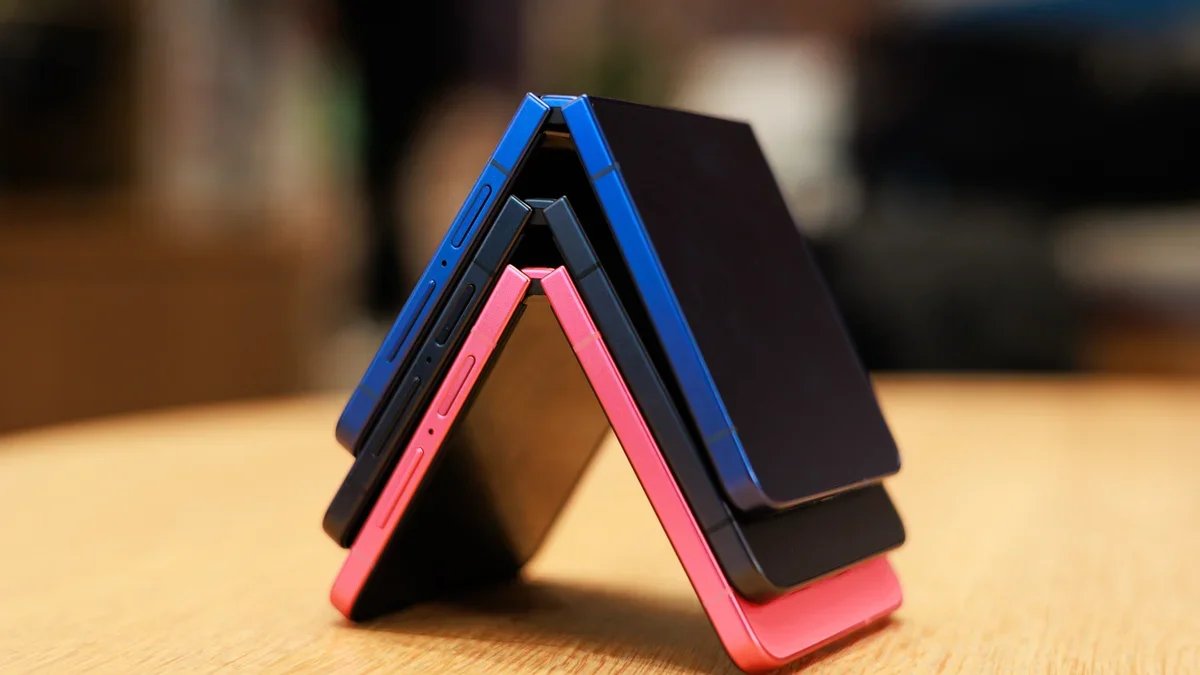
I think going for an iPhone Flip is a brilliant idea, regardless if it’s going to support the iPhone Fold or launch separately. Here’s why.
A flip iPhone would be much easier to make
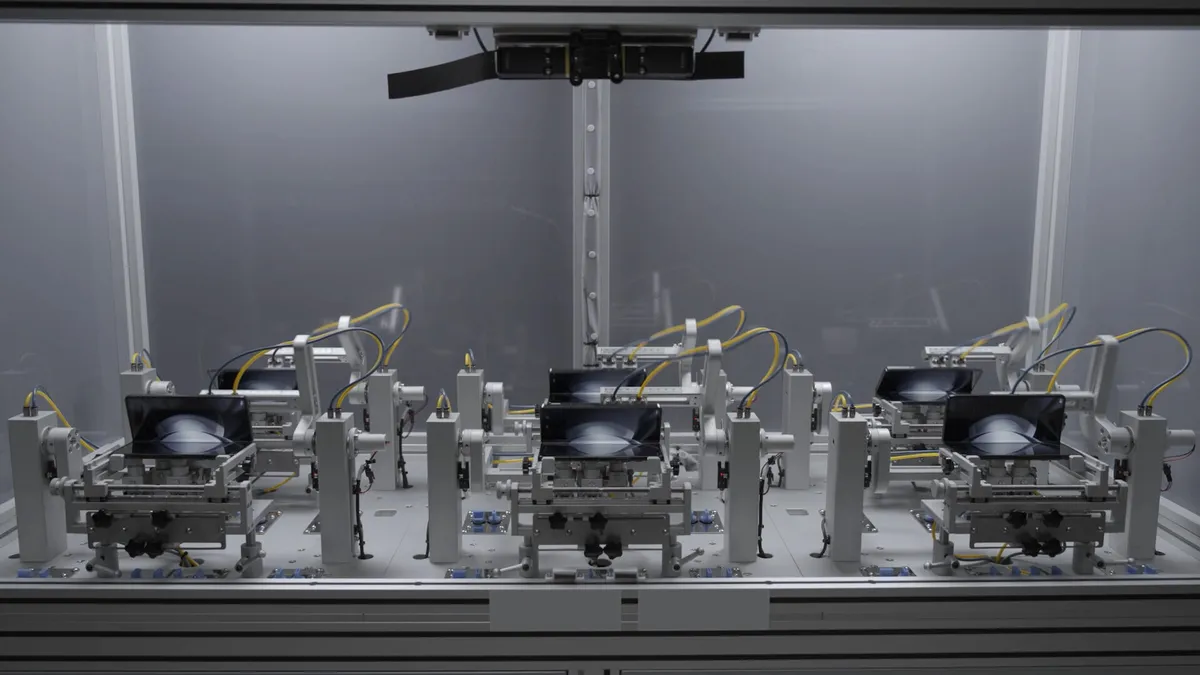
Manufacturing and testing foldable phones is not an easy feat | Image by CNET
Designing a book-style foldable is arguably a much harder task than making a candy bar phone fold in half. You need a new layout for the internals, a new screen with a completely different aspect ratio, and also a new UI to make use of that screen.
Samsung needed several generations of Galaxy Fold devices to get these right, and there’s a big chance Apple might not get it right the first time around, either. On the other hand, a flip phone wouldn’t require a completely different approach to the hardware—the position of the camera system and the chipset all remain largely in the same place.
Granted, you need to split the battery into two separate cells, but it’s a much easier engineering feat than making a book-style foldable from scratch.
Furthermore, almost no changes to the UI are needed, the screen size and aspect ratios are the same as on a conventional non-folding phone. There’s still some work needed to make use of a cover screen for when the flip phone is closed, but again, it’s much easier to do than making your UI work on a squareish screen.
The price could be a big factor

Flip phone are significantly more affordable than book-style foldables | Image by PixaBay
Speaking of ultra-premium first-generation Apple devices, the Vision Pro comes to mind. I wouldn’t call it a flop, but adoption is painfully slow, and the future of this gadget is uncertain at the moment. There are many factors at play, but the $3,500 starting price is one of the major ones.

Apple’s Vision Pro didn’t take off, mainly due to its huge price tag | Image by PhoneArena
Better user experience overall
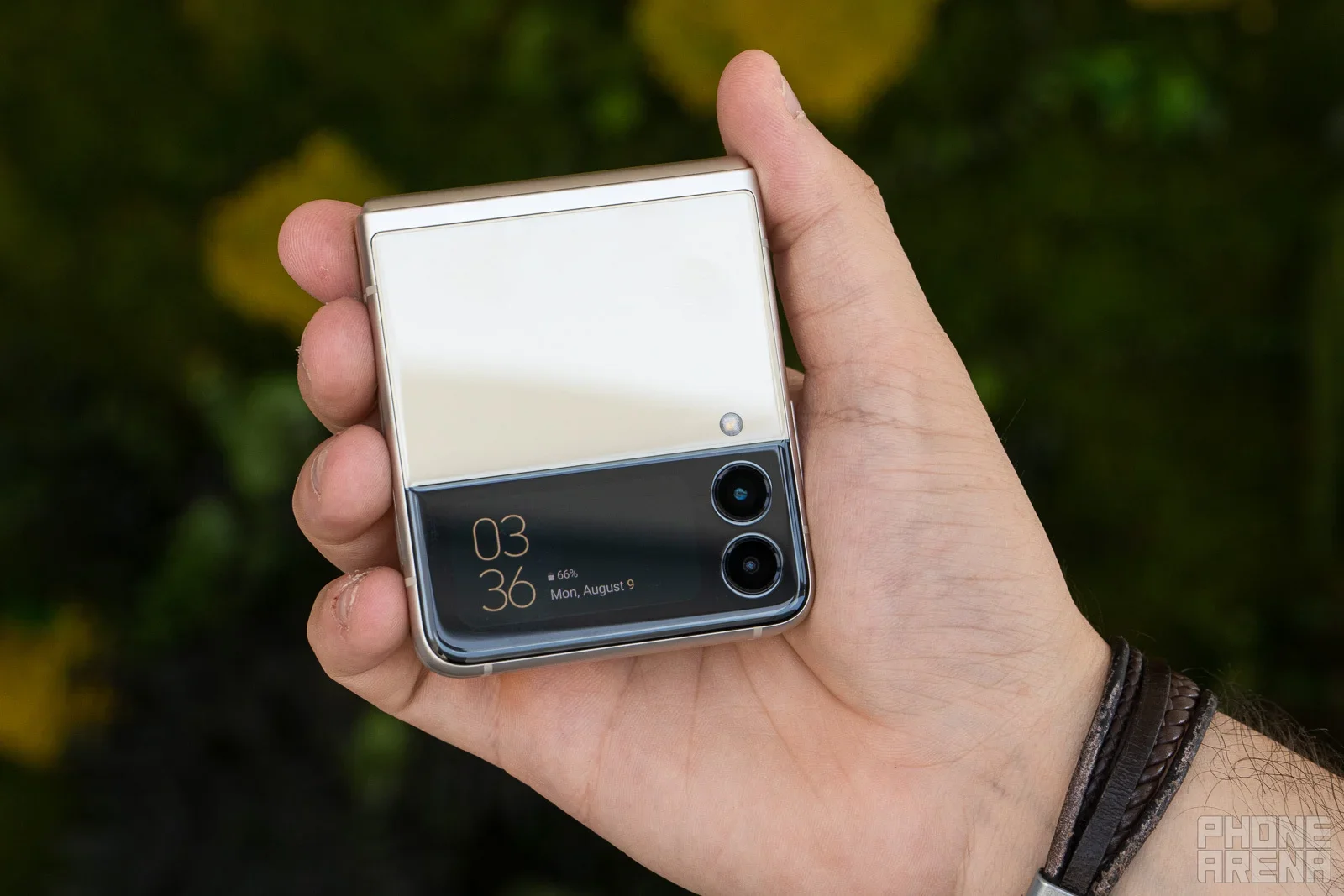
Flip phones are much easier to use with one hand, and they’re light and compact, too | Image by PhoneArena
I know this one might sound weird, but let’s not forget that Android users had almost a decade to get used to book-style foldables and all the specifics around using one. As trivial as it may sound, when you unfold a book-style foldable the resulting two-handed tablet-like device might not be for everyone.
Book-style foldables require a completely different approach than regular candy bar phones. You can’t reliably fold or unfold them with one hand, and using them in an unfolded state almost always requires both hands (and a lot of attention to avoid dropping them).
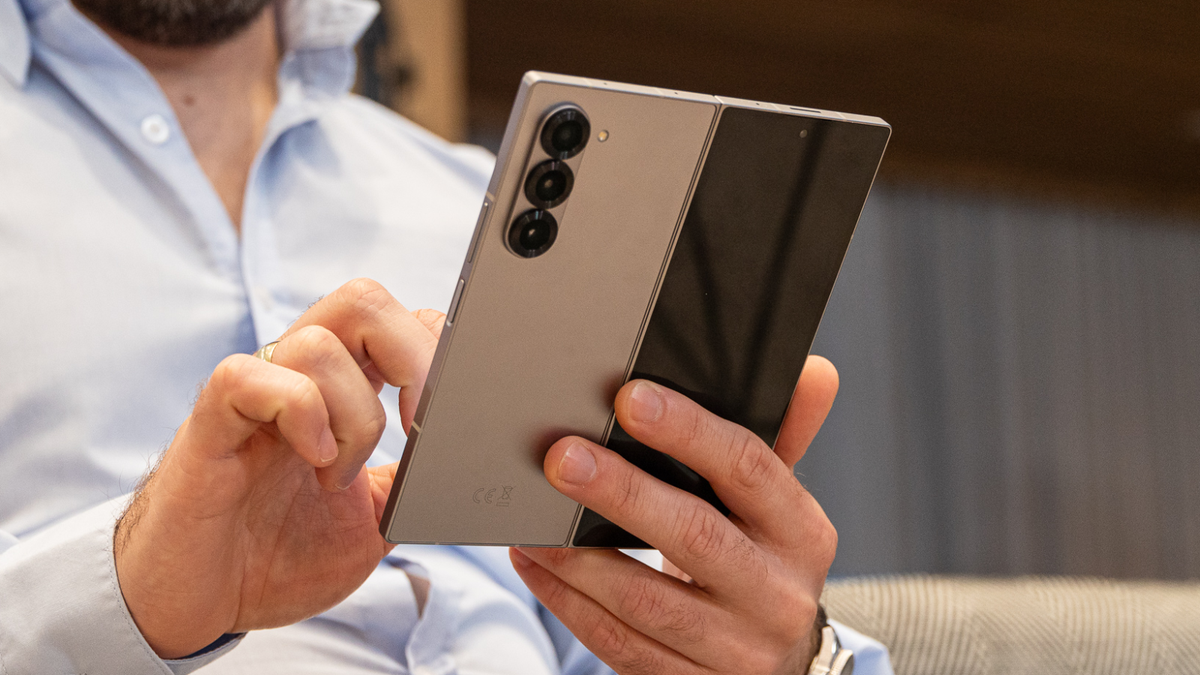
Book-style foldables require two hands most of the time | Image by PhoneArena
Book-style foldables are also much heavier, and even if you’re just using the cover screen, the sheer bulk of the device might be cumbersome to many people.
The learning curve of using a flip phone is much smoother, and snapping the phone closed with one hand might even be a pleasant and cool experience rather than a nuisance.
Conclusion
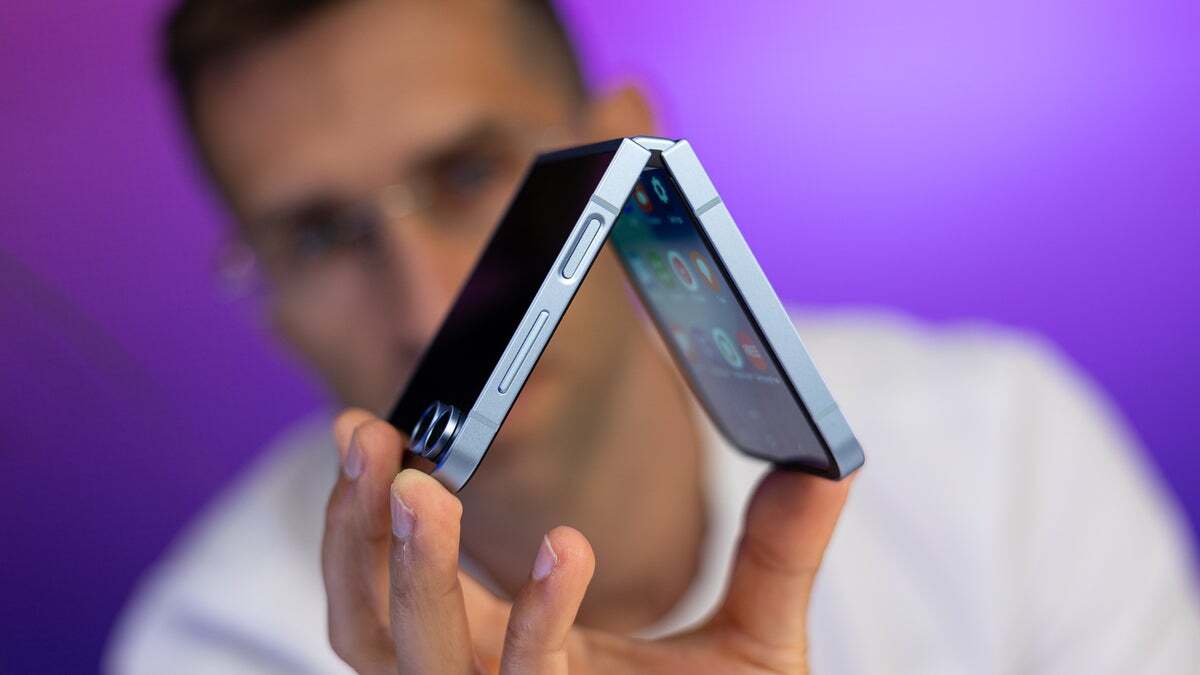
Would you buy a clamshell iPhone Flip? | Image by PhoneArena
So, the iPhone Flip makes much more sense to me, especially for a first-generation Apple foldable. It could be priced more competitively, it would be easier to handle and carry around, and people would enjoy a familiar iOS experience without the need to relearn how to use their phone.
At this point, the iPhone Flip is just a rumor, but I really hope Apple launches both the iPhone Fold and the iPhone Flip. Which one would you prefer?
