

What Schulman actually said
In a new report out of the Semafor World Economy conference, Verizon CEO Dan Schulman admitted the carrier’s network lead has narrowed, and that being the “best network” is no longer enough to keep people from jumping ship. His fix is to start treating subscribers “like humans, not like accounts.”So far, so good. Then he followed that up by saying Verizon is already plugging Anthropic’s new Mythos model deep into its workflows, and that anyone “scared” of AI is being “problematic.” The humans-first pep talk and the AI-everything mandate landed in the same breath.
The part that doesn’t quite add up
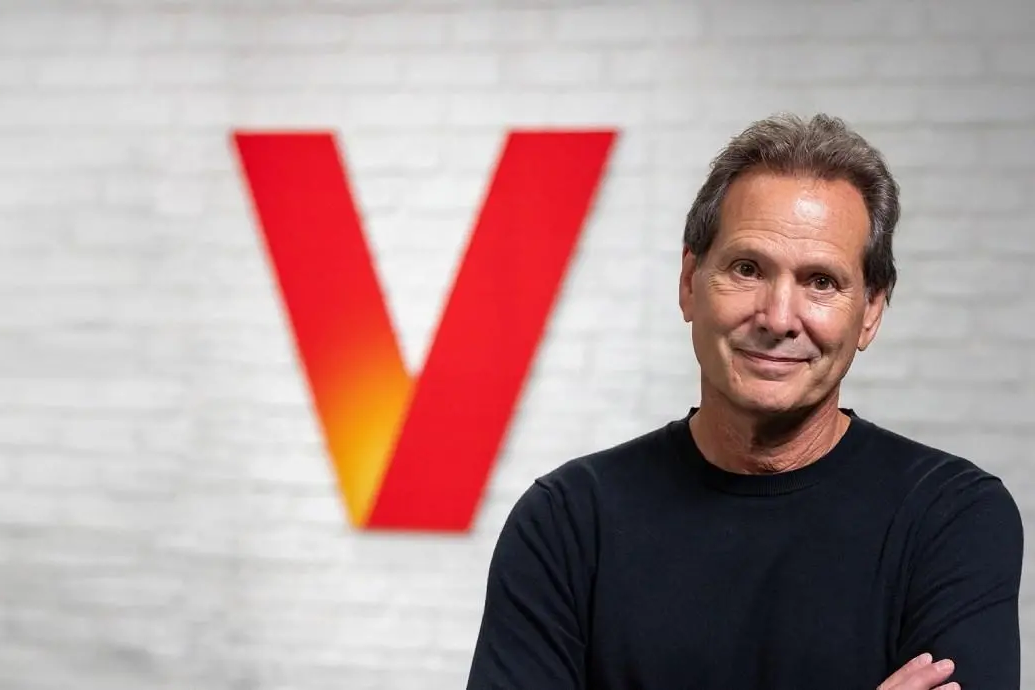
Verizon CEO Dan Schulman. | Image by Verizon
When customers say they want to be treated like humans, they usually mean they want a person on the phone who can actually fix their problem. They don’t mean a smarter chatbot, no matter how polished the model behind it is.And Schulman knows this audience is skeptical. He just laid off 13,000 employees and told the Wall Street Journal he expects AI to push unemployment past 20%. It should be noted that those are the same call center and retail humans customers were hoping to reach in the first place.
Why the timing makes this land worse
Verizon already admitted its own pricing strategy pushed more than 2 million subscribers out the door. Then, weeks after promising no more value-free price hikes, the carrier quietly raised the cost of its Netflix and HBO Max bundle. That is not a trust-building move.
Now layer Mythos on top of a company that just shed 13,000 workers and is chasing $9 billion in cost cuts. It’s hard to look at that combination and believe this is really about customer warmth. It looks a lot more like cost reduction wearing a friendlier hat.
And Verizon subscribers are already pushing back on the AI pivot, with social posts flagging frustration about the direction. The people Schulman says he wants to treat like humans are telling him, in real time, that this isn’t the plan they were hoping for.
The bigger question nobody at Verizon is answering
What exactly does “customer centric” mean when the strategy is to replace humans with a model? Mythos can probably write a better promo email, predict a better retention offer, and route a ticket faster than the old Verizon system. That’s the easy part of customer experience.
The hard part, the part that keeps customers from leaving in the first place, is much more human. It’s accountability, consistency, and a loyalty discount policy that doesn’t feel like a rotating door.
Where this plan might still land
To be fair, Schulman has been more honest than most carrier CEOs out there. Admitting that your own pricing tanked your subscriber count takes some nerve, and Q4 finally broke Verizon’s losing streak, so something at the top of the funnel is clearly working.
But the thing that makes most people feel like a human is an actual human. It’s the rep who notices a plan has been sitting on legacy pricing for two years and actually flags it. It’s the retention agent with real authority to do something, not just read from a script generated by a smarter system upstream.
If Verizon wants subscribers back, the move isn’t smarter marketing at scale. It’s fewer price surprises, a clear loyalty discount policy, and a real person on the line when it matters. Mythos can help around the edges. But the “human” part of “treat you like a human” is the exact part Verizon keeps outsourcing.
