

Ramses II (1303–1213 BCE), aka Ramses the Great, is easily one of ancient Egyptian history’s most recognizable rulers. While he isn’t the pharaoh cited in the biblical story of Exodus (a common misconception), Ramses II remained a certifiably powerful and accomplished king who oversaw Egypt’s New Kingdom for roughly 66 years at the height of its influence and grandeur.
This pharaoh wanted everyone to know it, too. Ramses II was responsible for many massive architectural projects across the kingdom, including sprawling temple complexes and extensive gold mining operations. These endeavors also included towering monuments carved in his image. In the eastern Nile Delta, archaeologists recently discovered the top portion of yet another statue of his highness.
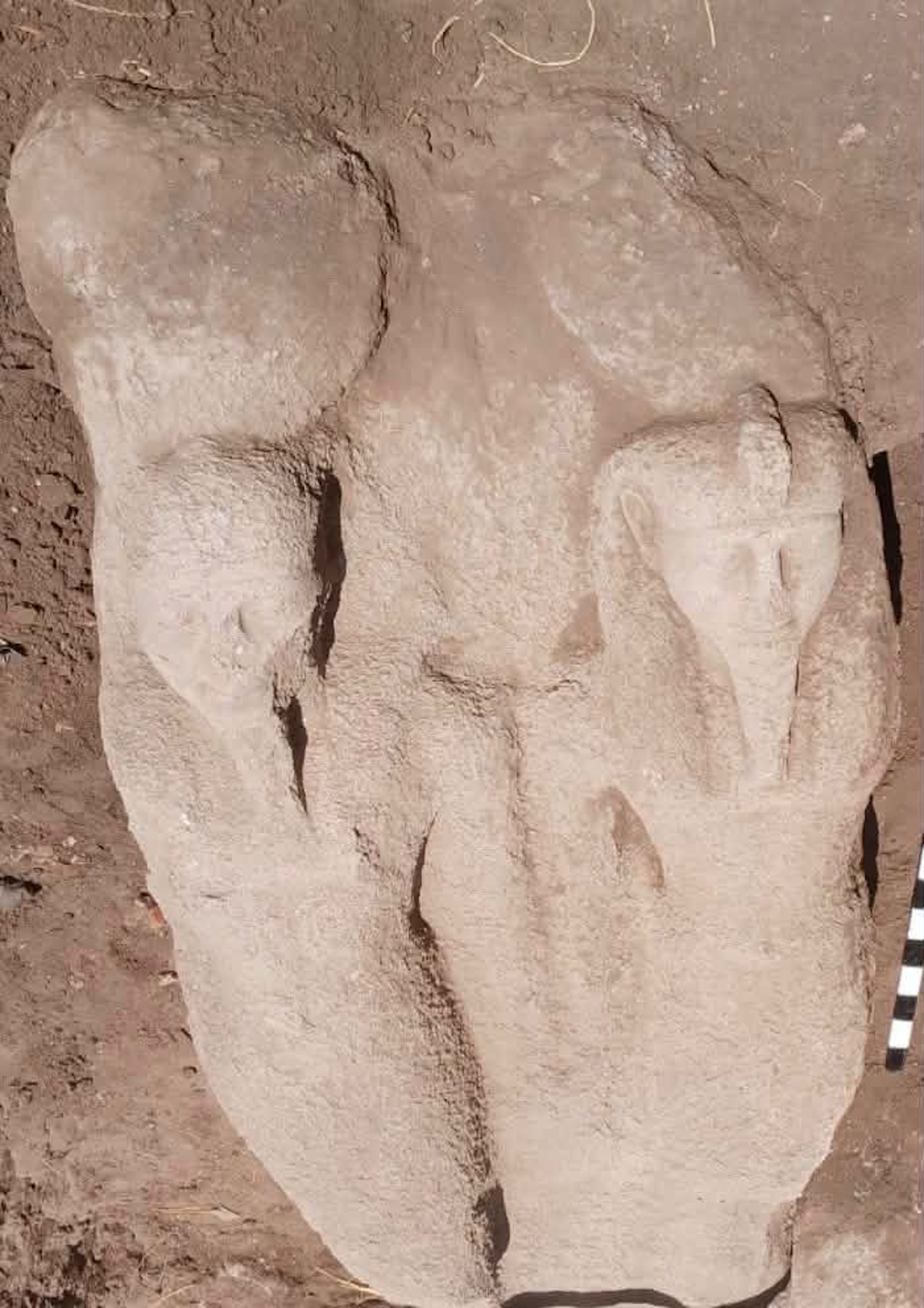
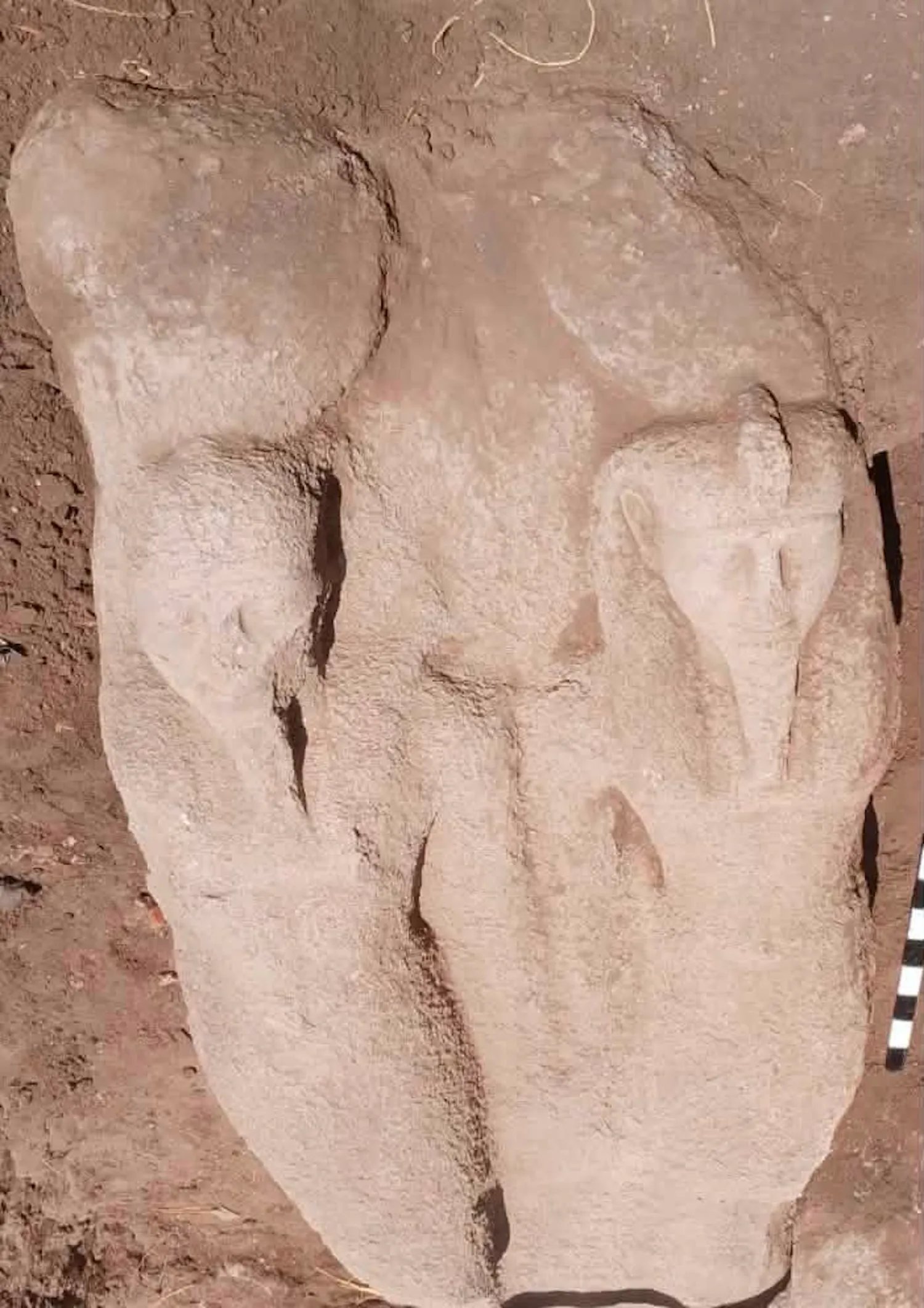
Located at the ancient site of Imet now known as Tel Faraoun, the sculpture’s proportions are in keeping with Ramses II’s sense of grandeur. According to the Egyptian Ministry of Tourism and Antiquities, the upper half is 7.2-feet-tall and weighs between five and six tons. To guard against further damage, Egyptologists quickly relocated the statue fragment to a nearby storage facility, where they will analyze and restore the artifact for potential public display.
The over 3,000-year-old statement piece is in comparatively rough condition today, but archaeologists believe its surviving artistic details almost certainly tie it to Ramses II. Despite its size, experts also say the statue wasn’t crafted by nearby artisans. Instead, it was likely made in Pi-Ramsesse, the Egyptian capital established by the pharaoh himself, before workers transported it roughly 15 miles north to Imet.
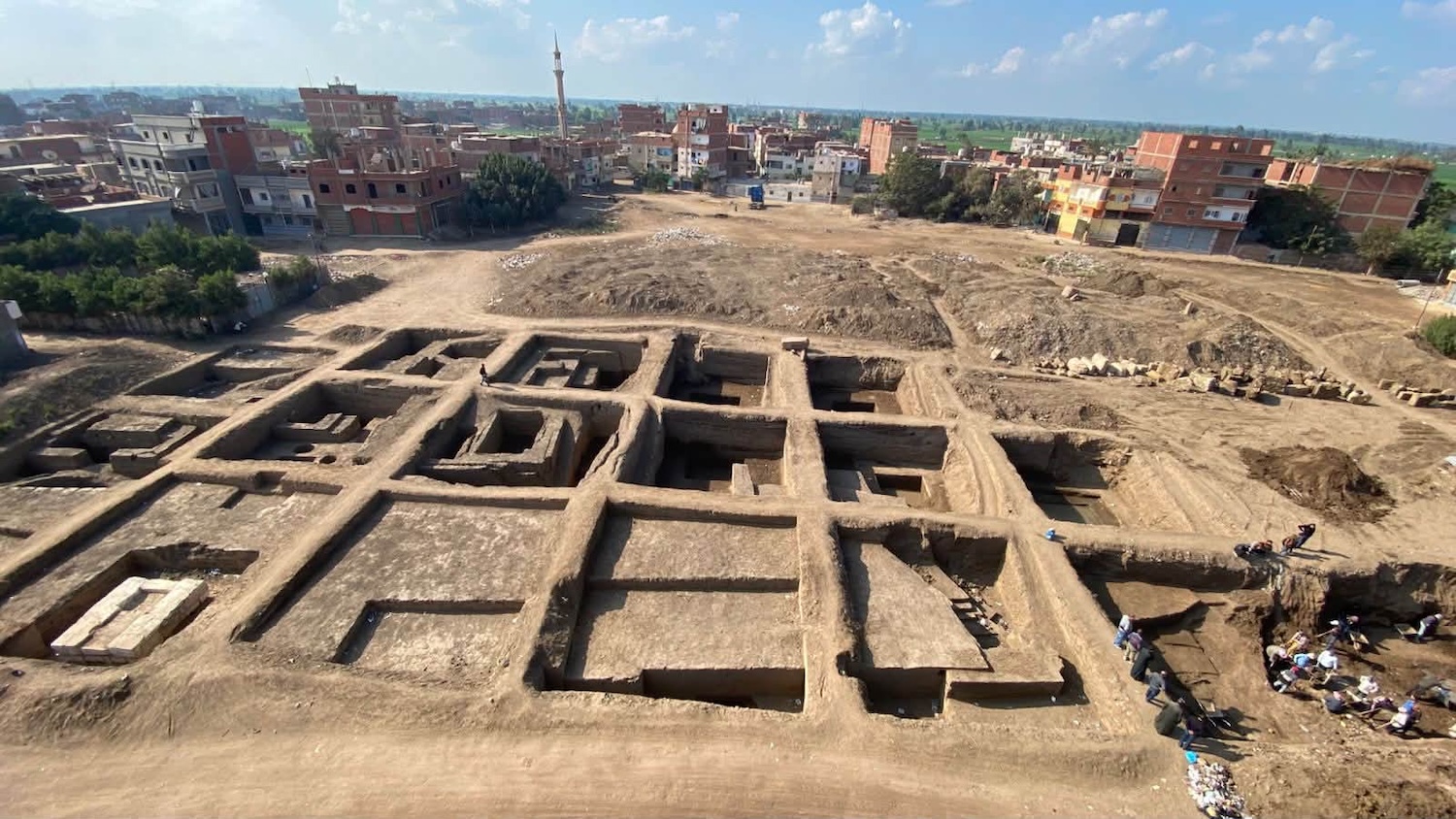
But despite the statue’s enormity, researchers suspect it was once part of an even larger installation. Many similar archaeological sites have included immense sculpture projects called triads, which depict a ruler between a pair of deities to confer divine authority and safekeeping.
Regardless of religious favor, life was apparently kind to Ramses II. Historical records indicate that by the time of his death in 1213 BCE, the pharaoh was 90 years old and father to somewhere between 88 and103 children.

2025 PopSci Best of What’s New
