

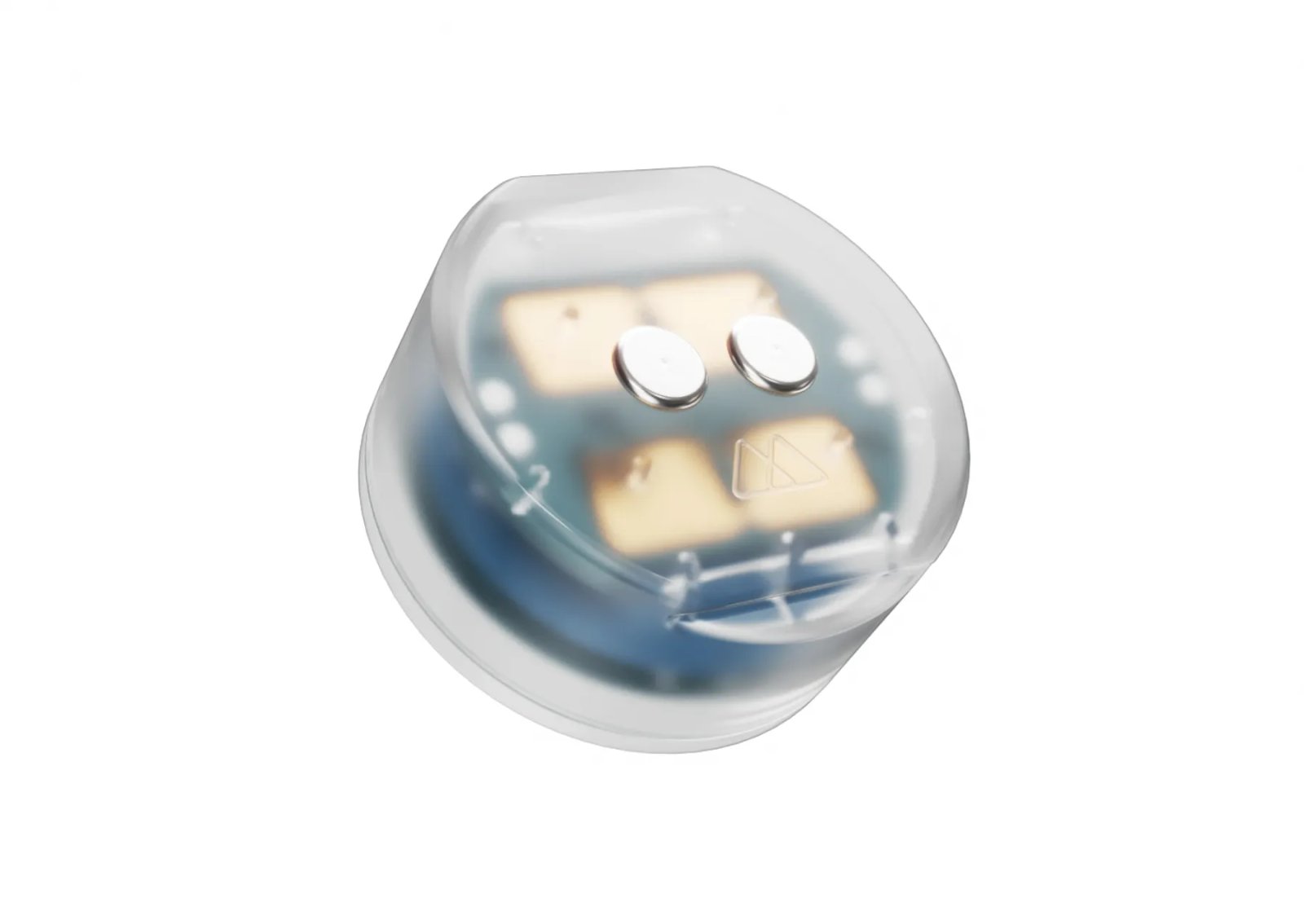
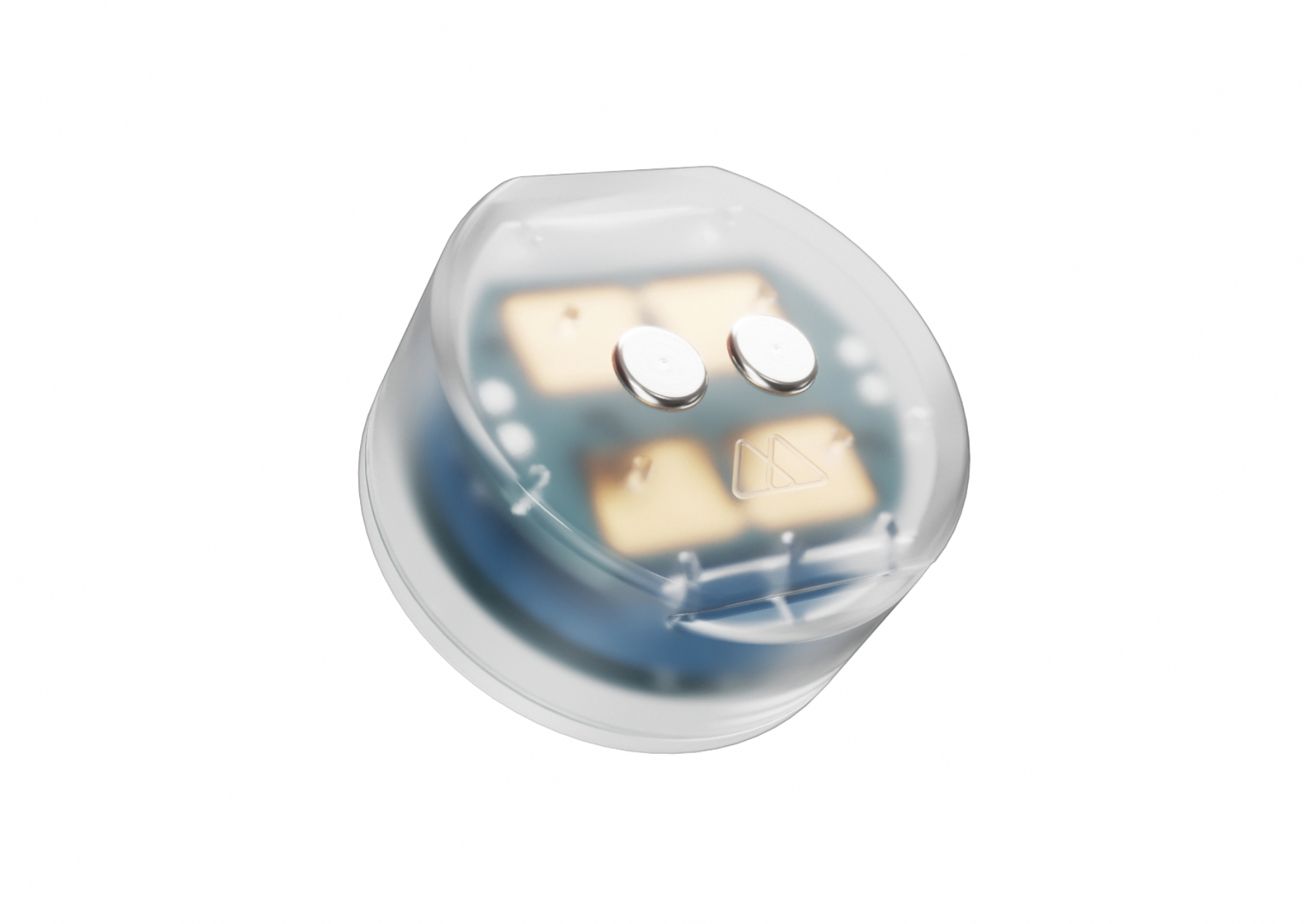
Earlier this week, the United States Food and Drug Administration (FDA) approved a human trial for a blueberry-sized brain implant intended to target treatment-resistant depression. The brain-computer interface (BCI) developed by Houston-based startup Motif Neurotech aims to deliver electrical stimulation to activate parts of the brain’s central executive network that are inactive in people with major depressive disorder. If successful, it would make this the first example of a BCI used to treat clinical depression.
“The goal for this technology is that it would be the mental health equivalent of a continuous glucose monitor for diabetes,” Motif CEO and co-founder Jacob Robinson, said in an e-mailed statement.
Treating depression with wireless stimulation
While BCI tech is several decades old, it has garnered attention in recent years due to advancement from a handful of startups, including Synchron and Elon Musk’s Neuralink. While those efforts are primarily focused on helping patients with severe paralysis control computer cursors and keyboards, Motif’s approach specifically addresses depression. Recent studies suggest as many as three million adults in the United States live with depression that isn’t responsive to antidepressants or other traditional therapies.
Motif calls the device a “miniature brain pacemaker.” It is intended to sit in the dura, the outermost meningeal membrane protecting the brain. Placing it in the dura should eliminate the need to surgically expose the brain, which increases the risk of neurosurgery-related injury. Instead of surgery, Motif says patients would receive the implant in a 30-minute outpatient procedure.
Once implanted, the device uses wireless magnetoelectric technology to send out special patterns, or “motifs” (hence the company name). In theory, the motifs should activate underactive neural networks in people with depression. Patients would receive the treatment by wearing a specially designed baseball cap that communicates wirelessly with the device and instructs it on the signals to send, personalized to the wearer. Though the details of treatment are still being worked out, patients could possibly wear the cap for several intervals of 10 to 20 minutes per day.
The underlying technology for the implant dates back to Robinson’s time as a student at Rice University. He officially founded the company in 2022, and has been pushing toward a clinical trial ever since
“What has been really special for me personally on this journey is to be able to work all the way from a concept through the process of research and development funded by the federal government at Rice, and take that into a product that is going to affect people’s lives for the better,” Robinson said.
The FDA did not immediately respond to Popular Science’s request for comment.
Trial will test device safety and depression treatment
The clinical trial will involve about 10 participants who have experienced severe depression that has not seen improvement after trying multiple types of treatment. Researchers will then monitor them over the course of 12 months. Aside from testing the safety and efficacy of the device itself, the team will also look to see if they observe any initial signs of effectiveness in reducing depression or anxiety.
The FDA approval also comes just one week after President Donald Trump signed an executive order directing the US Department of Health and Human Services to accelerate access to treatments for patients with serious mental illness and treatment-resistant conditions.
If any of this sounds familiar, it’s because the approach could essentially represent a high-tech, modern version of once controversial shock therapy. With origins dating back to the 1930s, electroconvulsive therapy (ECT) works by using electricity to induce seizures. Clinicians realized that ECT was effective at treating patients with severe forms of mental illness, especially before the invention of more modern antidepressant therapies. It’s still used today to treat severe forms of depression, mania, and suicidal ideation.
Motif’s experimental approach takes that underlying treatment structure and makes it more precise and tailored to individual patients. The relative ease of applying the treatment at home by simply wearing a hat may also make it more appealing to some who would otherwise recoil at the idea of shock therapy, which often appears more frightening than it is in film and television.

2025 PopSci Best of What’s New
