

A former T-Mobile customer thought he canceled service, but received a surprise bill

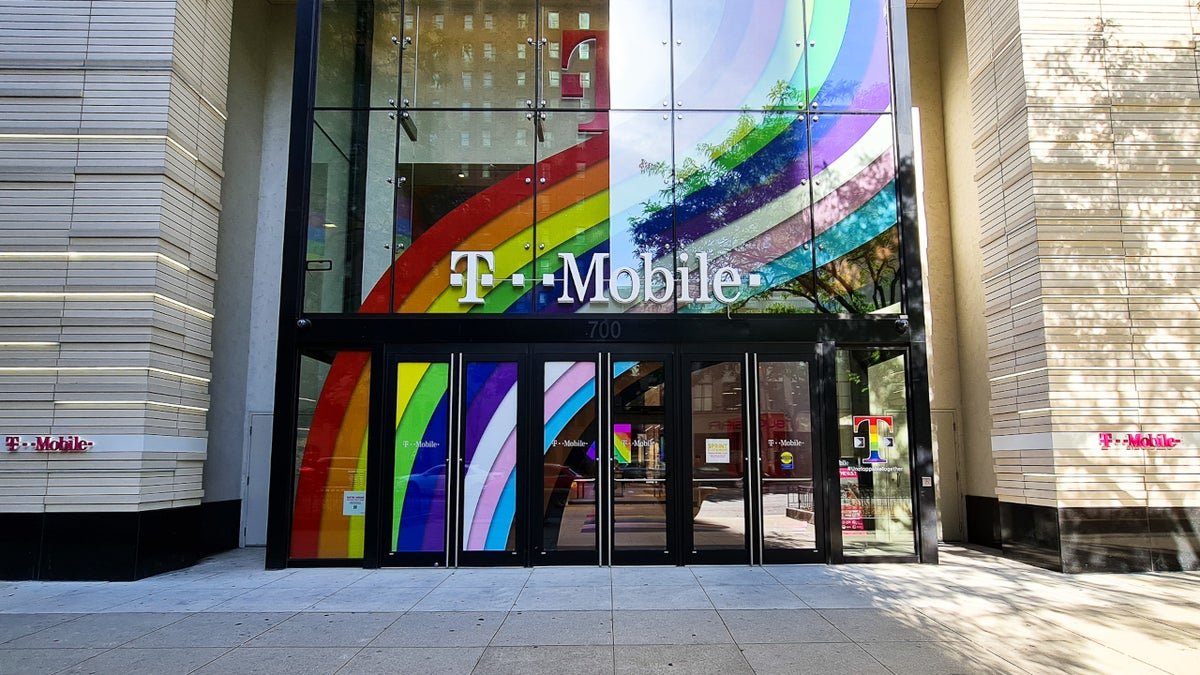
Inside a T-Mobile store. | Image by T-Mobile
The former T-Mobile customer had to spend too much time on the phone to once again ask that the second line be canceled. He then fought to be credited the amount of the bill that should not have dropped after he was told that the line for his timepiece had been removed.
This is the best way to leave your current provider to avoid getting scammed by a rep
Have you found yourself getting billed for services from a mobile provider after you were told that the service was cancelled per your request? Another Redditor with the username “eyoungren_2” said that if you plan to leave T-Mobile-or any wireless provider really, and you know which company you want to switch to, there is a better way to make sure that the reps aren’t playing with you.
Instead of calling your current wireless provider and telling them that you want to cancel your line, you should port out all of your lines instead. Once all of your lines are gone, the account is automatically canceled and the wireless firm you are leaving can’t do anything about it.
You don’t want to end up playing the “hot potato” game
Leaving this way versus verbally telling a rep about your decision to depart prevents the rep from playing games with your request in order to escape whatever “hit” he might face. Even if the customer on the line requesting that his service be canceled has never spoken to the specific customer service rep before, the last person to handle a wireless account is considered responsible if that account is closed. It is called the “hot potato” game.
Again, carriers will blame the rep who let a customer (and a long-time one at that) walk out the door. The rep will take a hit to his metrics and if he processed many of these over the course of a month, the rep could lose a bonus or possibly his job.
When will carriers stop looking the other way?
Some call centers will have the rep go through multiple screens loaded with special offers in an attempt to keep the customer from leaving. At the same time, some customer service reps are penalized if a call runs too long. By saying something like, “Yes Mr. Smith, I’ve put your request into the system and your line will drop off at the end of your billing cycle,” the customer is happy, and the rep is not penalized even though it is a lie and the truth is eventually discovered.
If you have multiple lines and only plan on keeping one active, you should port both lines over to your new wireless provider and cancel the line you do not want to keep after the port out has taken place. This way, you are not giving a rep from your old wireless firm the opportunity to lie to you by saying that a line has been canceled when in reality, it remains active.
You might be charged by the new wireless firm even if you keep that second line for a day or two. But even if you are, it might be worth it in the long run for the certainty and peace of mind that the line has been canceled.
This is apparently another game wireless reps play and even though the guys in the C-suite at T-Mobile and elsewhere are probably familiar with what is going on, nothing changes. How many wireless customers have to deal with things like this before the carriers take steps to fix it?
