

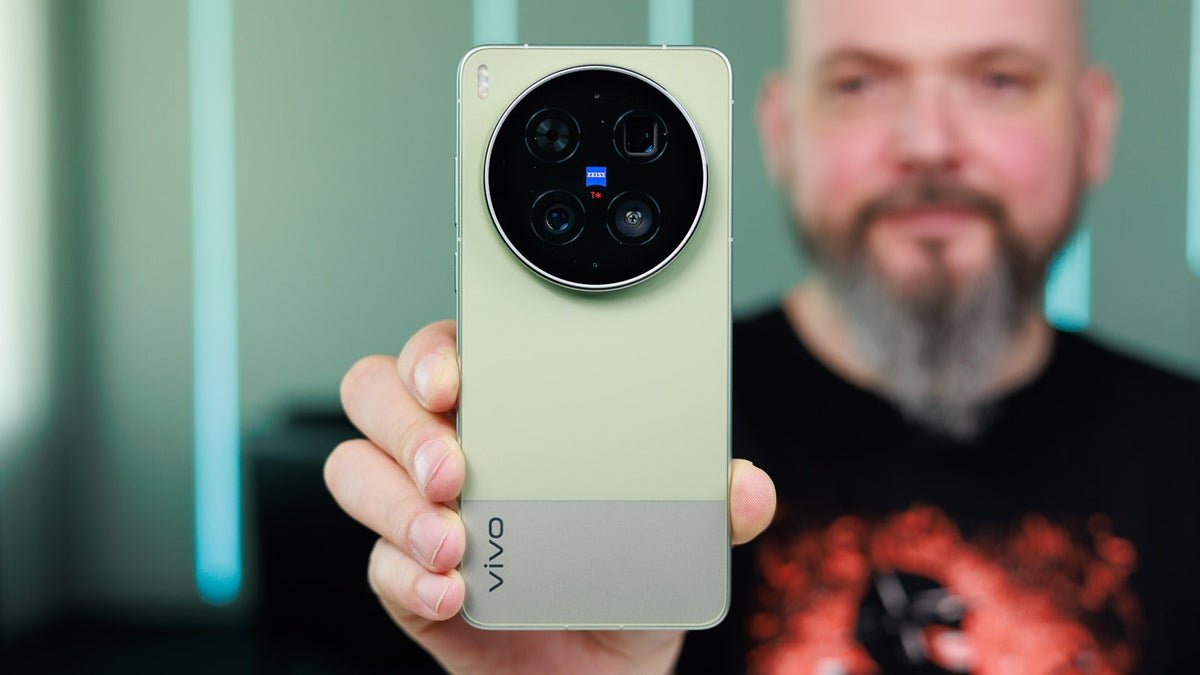
Near the end of last year, Vivo launched its mainline camera flagships — the Vivo X300 and Vivo X300 Pro. At the time, we had the expectation that there would be an Ultra down the line, but we certainly didn’t hope for an international launch. Previous Ultras were China-only.
Well, imagine my surprise when Vivo went ahead and said “This is the new X300 Ultra, and it’s an international model”.
Now, I was already pretty happy with the Vivo X300 Pro as a camera smartphone and didn’t expect to see much of an improvement, even if I did get to play with the Ultra (which I did). Imagine my double surprise when I found that I enjoy the new model even more!
The bad news? The Vivo X300 Ultra may be going international, but it’s still not shipping to the States through official sources. If you really crave one, you’d have to go adventurous and buy through 3rd party retailers. The second bit of bad news is that it’s priced at €1,999 in the EU, which is a hefty uptick over the €1,299 of the X300 Pro.
So, here’s our full test — from how the X300 Ultra performs with its Snapdragon 8 Elite Gen 5 under the hood to how the new camera really delivers the goods:
Table of Contents:
Vivo X300 Ultra Specs
Massive battery for everybody!
| Vivo X300 Ultra | Vivo X300 Pro |
|---|---|
| Size and Weight 162.98 x 76.81 x 8.19 mm 232 g |
Size and Weight 161.98 x 75.48 x 7.99 mm 226 g |
| Display 6.8″, AMOLED 144 Hz, 4,500 nits peak 3168x1440px, 20:9 ratio, 510 PPI |
Display 6.8″, AMOLED 120 Hz, 4,500 nits peak 2800x1260px, 20:9 ratio, 453 PPI |
| Processor Qualcomm Snapdragon 8 Elite Gen 5 3 nm, 4.61 GHz |
Processor MediaTek Dimensity 9400 3 nm, 3.63 GHz |
| Software OriginOS 6 / Android 16 |
Software OriginOS 6 / Android 16 |
| Cameras Main: 200 MP, f/1.9 Ultra-wide: 50 MP, f/2.0 Zoom: 200 MP, 3.7x, f/2.7 Front: 50 MP, f/2.5 |
Cameras Main: 50 MP, f/1.6 Ultra-wide: 50 MP, f/2.0 Zoom: 200 MP, 3.5x, f/2.7 Front: 32 MP, f/2.0 |
| Battery Size 6,600 mAh, Silicon-carbon [on all models] |
Battery Size 6,000 mAh, Silicon-carbon [5,220 mAh international model] |
| Charging Speeds 100 W wired 40 W wireless |
Charging Speeds 90 W wired 30 W wireless |
| Prices €1,999 (1 TB + 16 GB) |
Prices €1,299 (512 GB + 16 GB) |
The Vivo X300 Ultra pulls no punches. Its battery capacity is not limited on international models, so no matter where you are buying — you get the full 6,600 mAh juicebox! The processor has been upgraded, the main camera sensor has been upgraded, and the storage option is only one — a hefty 1 TB to store all your high-quality photos and videos. The price, however… is an intense experience to go through.
Vivo X300 Ultra Design and Display
Massive camera bulge, no action button
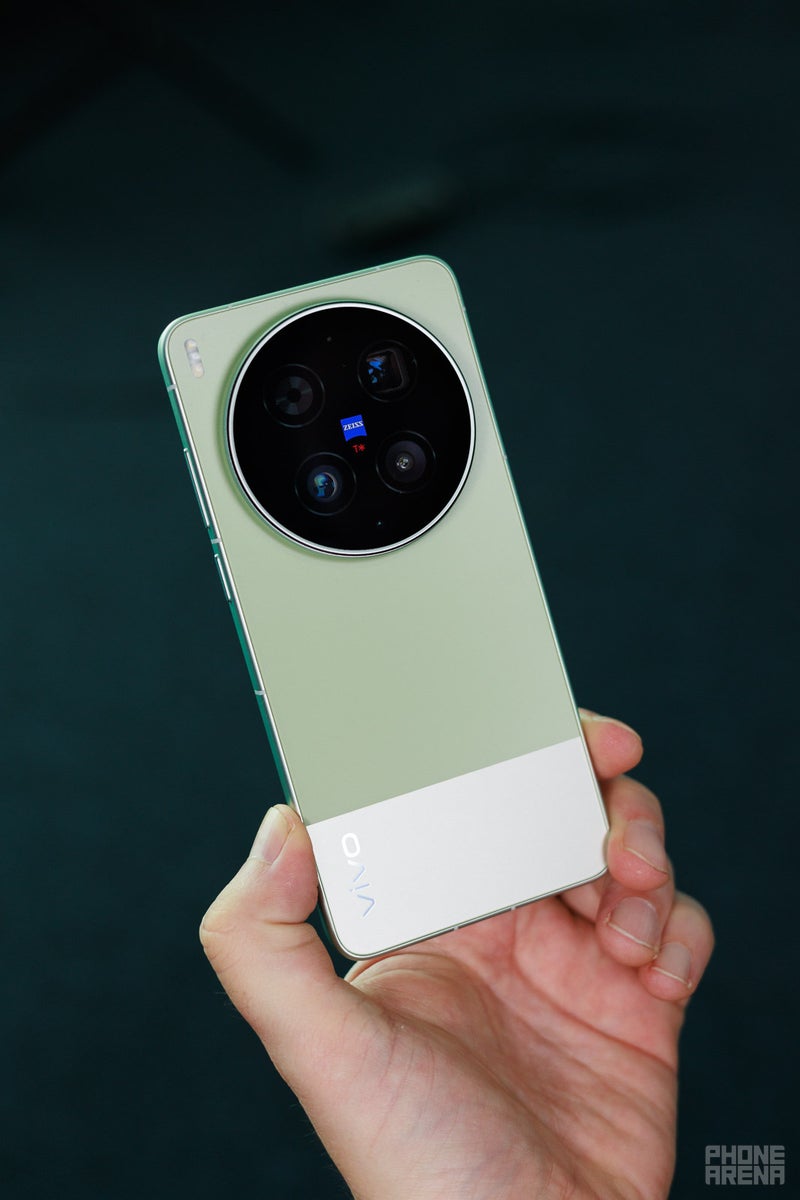
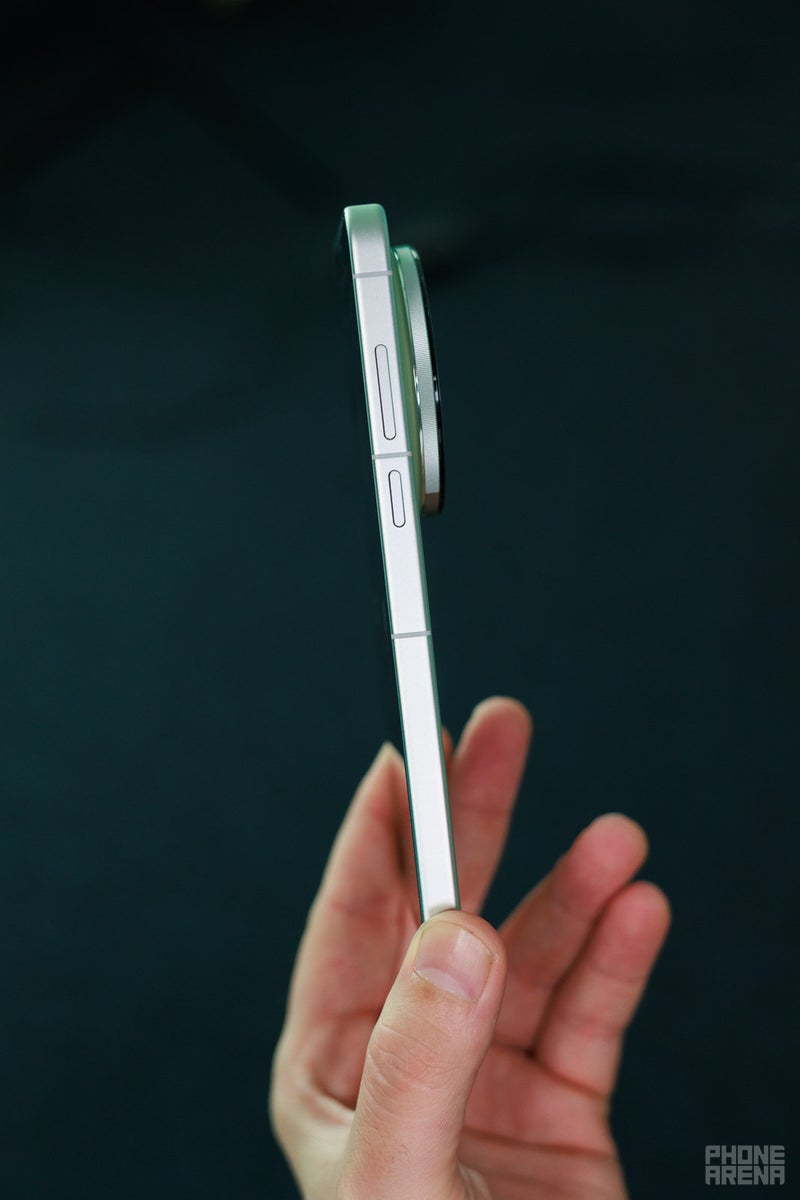
The Vivo X300 Ultra repeats the design language of the X300 Pro, but dials up the camera bump to the edge of absurdity. So, it still has a beveled aluminum frame, and a glass back with a high quality matte finish on it. But the Shortcut Button, which was pretty much a direct copy of an iPhone’s Action Button, is completely gone. I doubt it’s any type of reaction to how the public responded to the Shortcut Button on the X300 Pro — designs are typically locked in 12 to 9 months pre-release, so that wasn’t a quick last-minute change.
The phone is hefty and a little top-heavy, but nowhere near as much as you think as you are looking at that large camera module. It is, in fact, easy to hold and operate with a single hand. I even use it without a case, which is probably not a smart move considering the price of the unit.
Since expensive devices are pretty niche by definition, manufacturers don’t experiment too much with color. The Vivo X300 Ultra comes in either Black (which is more like dark gray), or a Green color, which has a fun duo-tone accent.
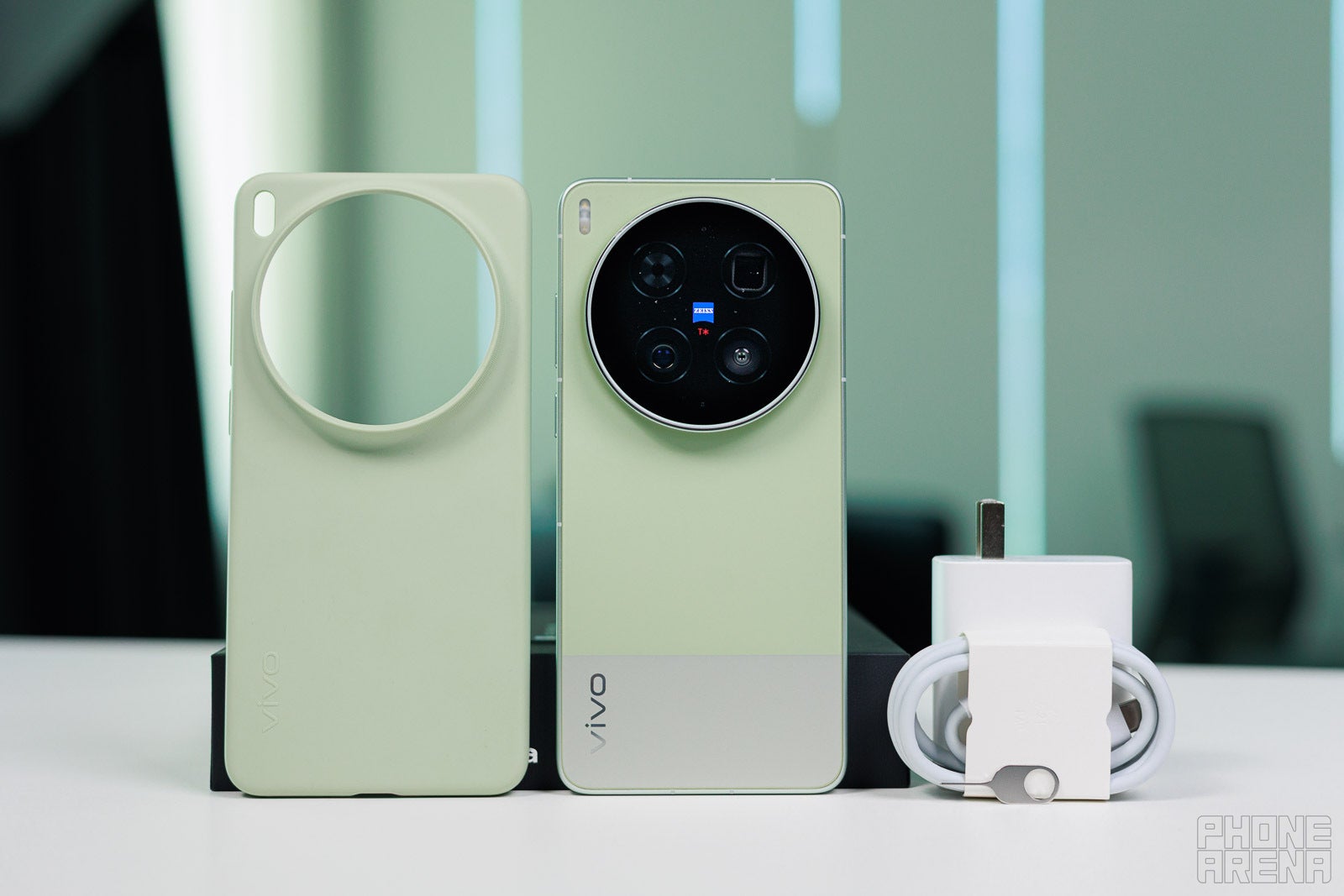
Box contents may vary depending on region | Image by PhoneArena
The standard box will get you the phone, a SIM tool, and a case to keep it in at first. Whether you get the 100 W charger and cable seems to be region-dependent. But the units that came to our office did have the charger in the box.
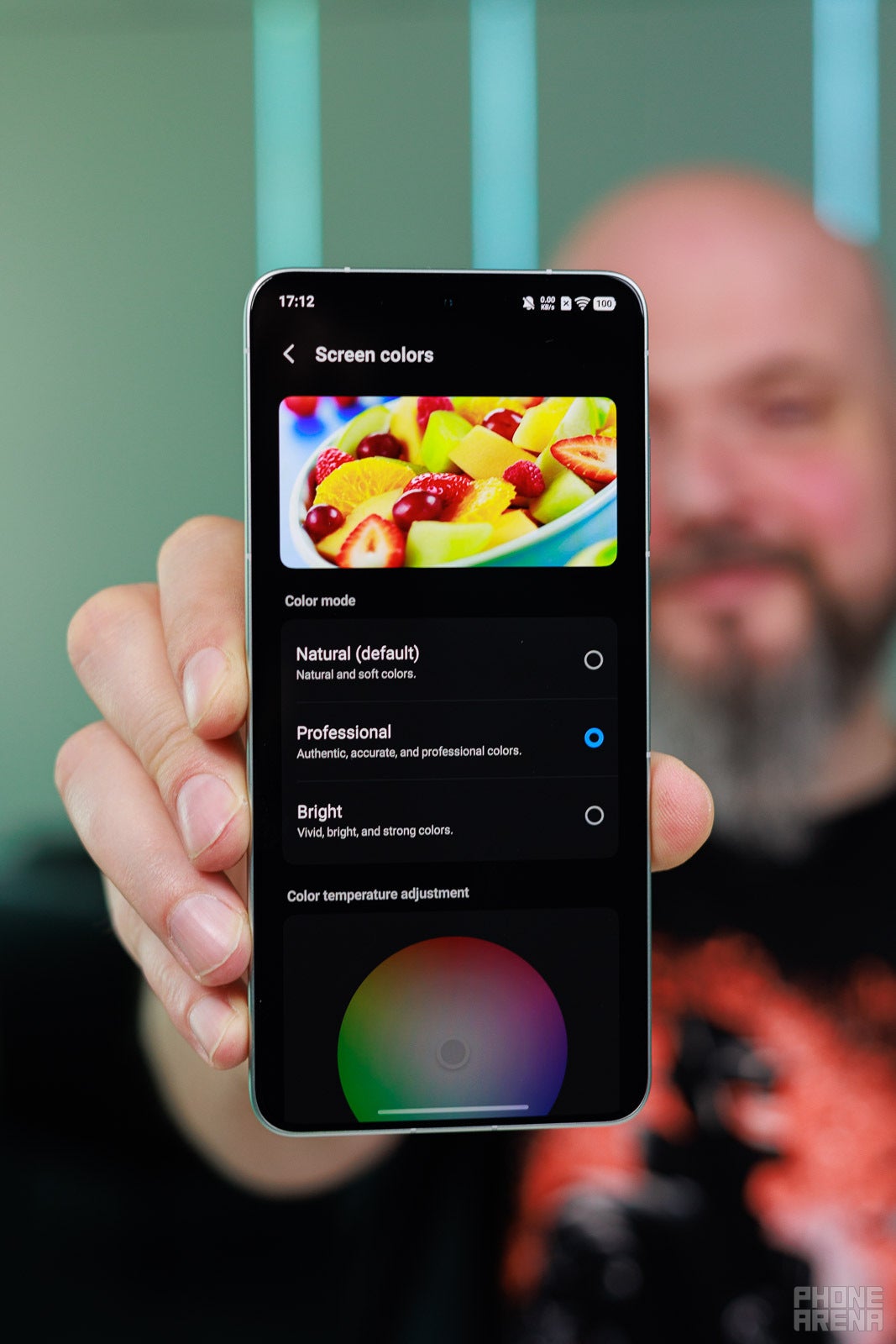
Beautiful display | Image by PhoneArena
On the front, there’s a 6.8″ AMOLED panel with a smooth 144 Hz refresh rate. The resolution has been upped to 3168x1440px for a PPI of 510. It’s a very sharp, pleasing screen to look at. Peak brightness hasn’t moved, as Vivo rates it for the same 4,500 nits peak as on the X300 Pro. We measure for more real-life simulation at 20% APL and also check the screen at full-screen brightness:
And even at 20% APL, the Vivo X300 Ultra’s brightness is an excellent 3,300 nits, ensuring the screen is perfectly visible outdoors. But also, the sub-1 nit minimum brightness makes it an excellent bedsude buddy. All in all, the screen is top-tier and rivals all the big boys on the market.
Color accuracy is also on point, sticking close to the sRGB targets and right on par with the competition. And there are numerous Eye Care settings in Origin OS 6, which go above and beyond to help you customize your use and reduce eye strain. Even to the point of picking between PWM or DC dimming, both of which have been calibrated to not distort color reproduction.
For those wondering — PWM dimming is the default, as it’s superior in terms of image clarity and contrast at low brightness settings. However, the technology involves rapid flickering of the display. Most people aren’t bothered by it at all, but there are a select few with sensitive eyes that can detect it, and it irritates them or causes headaches. Which is why DC dimming was introduced — it typically degrades image quality at extremely low brightness settings, but is much easier on the eyes.
For biometrics, we have an ultrasonic under-screen fingerprint scanner, which is very fast and accurate. I registered 4 fingerprints in no time and haven’t had an issue with unlocking yet.
Vivo X300 Ultra Camera
Was an upgrade even possible?
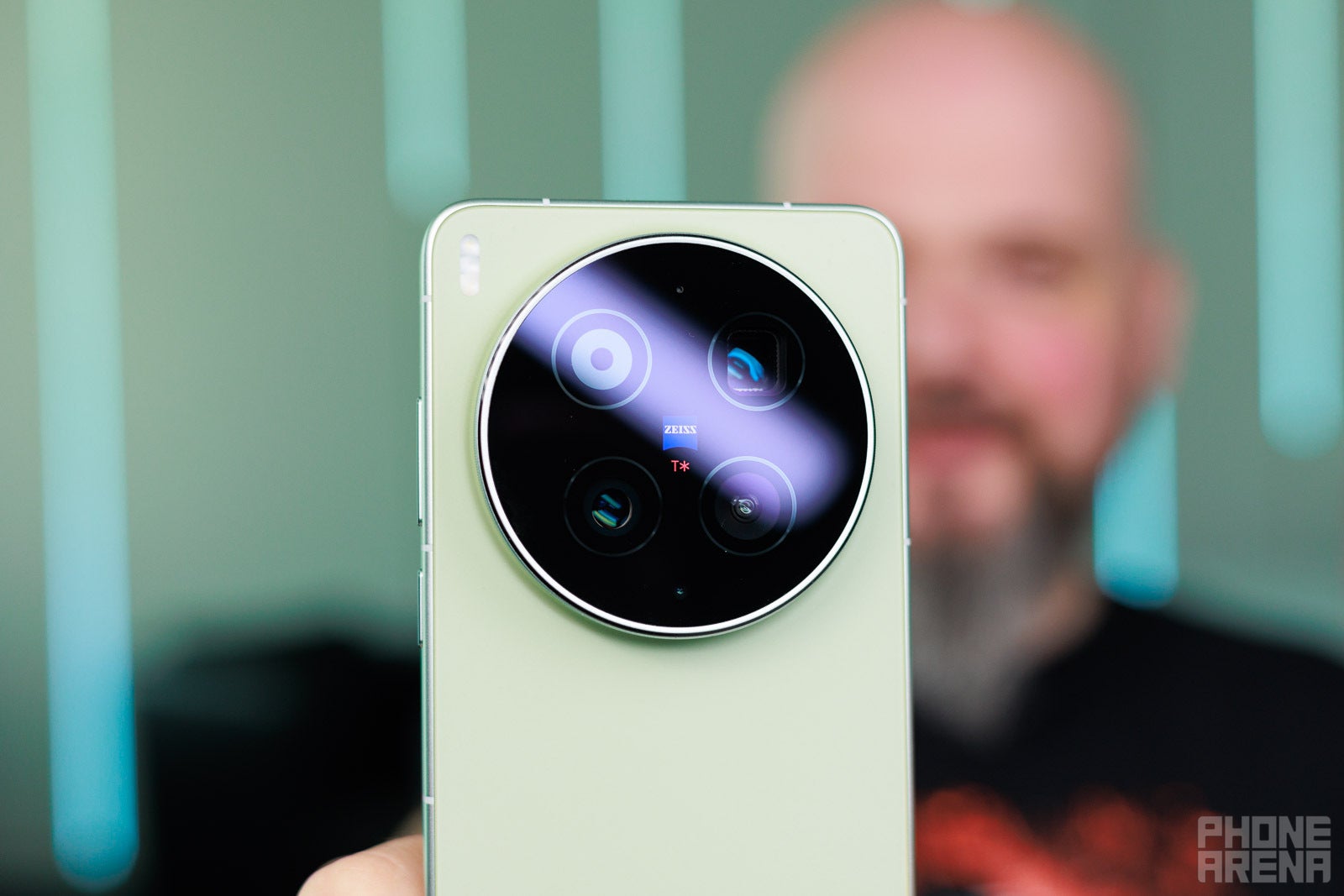
200 MP goodness | Image by PhoneArena
But raw points and sterile tests only tell half the story.
The Vivo X300 Ultra doesn’t just throw in a new sensor and call it a day. Well, yes, it does upgrade the main camera of the Vivo X300 Pro from a 50 MP to a new 200 MP one. But it also comes in with a new philosophy.
The X300 Ultra’s main camera lens is a 35 mm equivalent, whereas smartphones typically have a 24 mm main camera. This means it’s slightly more zoomed-in — it’s like an iPhone that has been set to a 1.5x setting. However, there’s no cropping involved, the X300 Ultra is… permanently stuck at 1.5x.
See, 24 mm is a good “generic” wide angle that most people find easily usable. You can take a photo of your friend group while sitting on a table, for example. Or, you can capture that building or landscape with just a quick point-and-shoot action.
35 mm, on the other hand, is a much more “intentional” focal length, that closes in a little bit, it needs a subject, a story, or a question. It’s a favorite of street photographers, and a generally better-preferred “default” zoom for shutterbugs.
And while I don’t consider myself an expert in the field, I do love my slightly-zoomed-in photos a lot more than a wide 24 mm or 16 mm shot. So, I was instantly intrigued as soon as I saw the viewfinder of the Vivo X300 Ultra.
All of the photos come out vivid, sharp, and just fun to look at. Yes, there’s post-processing that still gives it a hint of “smartphone photo” feel, but it’s so well done that I just can’t put a finger on it and say “This is oversaturated” or “That is oversharpened”. To top it off, the new color styles within the camera allow you to fine-tune it further, adjusting contrast, vibrancy, and even grain noise. Previously, my favorite mode on the X300 Pro was “Textured”, for its ability to add drama and contrast. But now I use Natural and fine-tune it to taste.
The camera experience overall is fun, dependable, and exciting. It had better be, considering it’s the whole point of this rather expensive phone.
Speaking of — for an extra €599, you can get the Photography Kit, which now comes with two telephoto extender lenses and a special case to attach them to the phone. With those, you can push your zoom to extreme levels. They fit over the 3.7x telephoto lens of the phone and expand it to 200 mm and 400 mm (8x and 16x, roughly). And yes, with digital zoom, they can go all the way up to 130x.
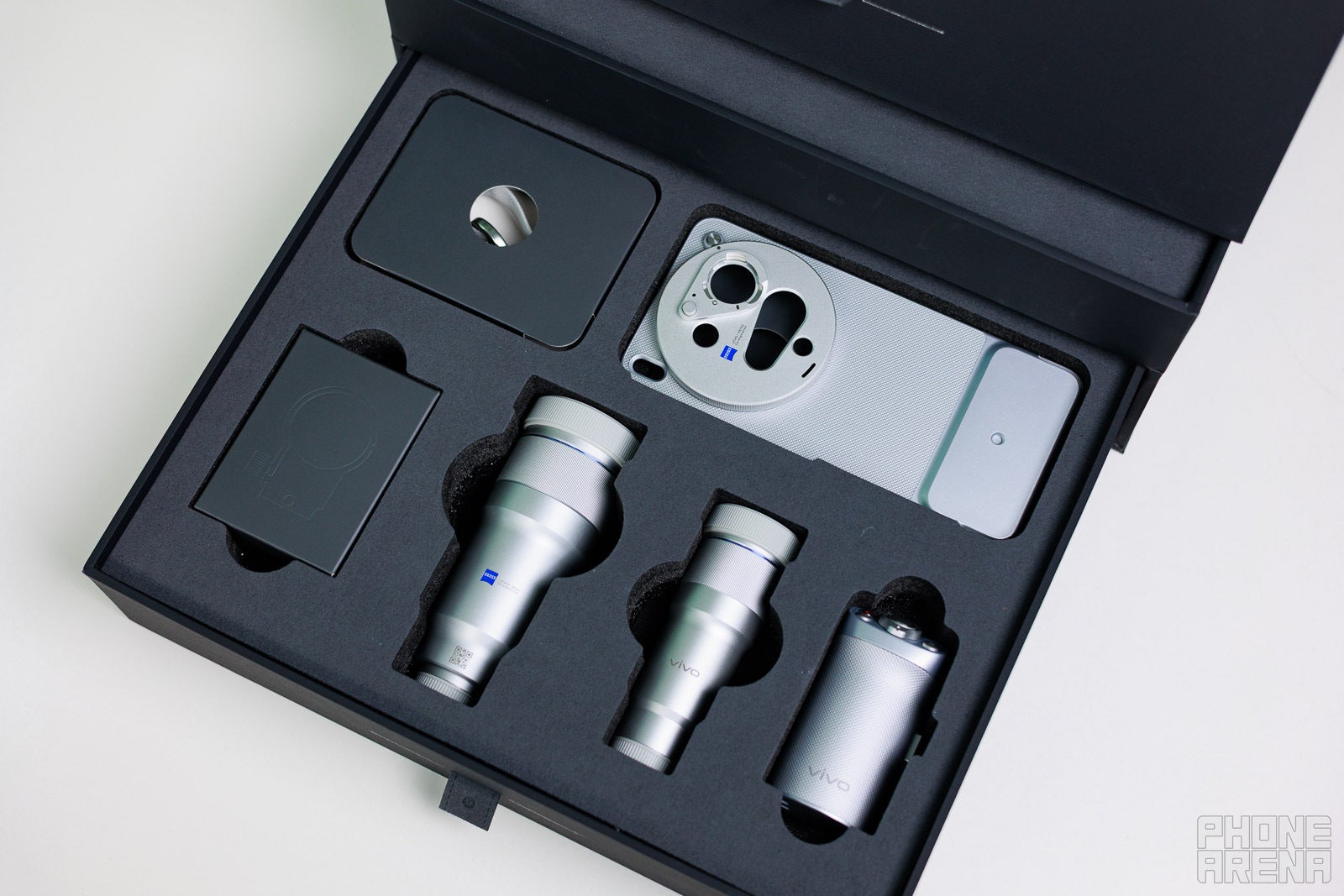
The Photography Kit now comes with two telephoto extenders | Image by PhoneArena
Of course, their main intended use is to slap them on the case, put the phone on a tripod, and use them as closeup lens to get epic cinematic shots. And yes, the new Pro Video mode has all the bobs and whistles you’d need to fine-tune the way you want that scene to look.
If you are a more casual user but still want a bit of panache added to your videos, the regular Video mode has two filters you can enable — Film Look, which adds a bit of film color but generally keeps the ratio and FPS in “smartphone video” standards. And Film Style, which goes all-out widescreen, 24 FPS video.

Then, there are other favorite modes, such as Stage, which sets the camera to expect the high contrast of stage lights and to look for the faces of performers so it can keep them in focus and enhance them. All around, the complete package for a camera phone in 2026.
Vivo X300 Ultra Performance & Benchmarks
Back to the Snapdragon
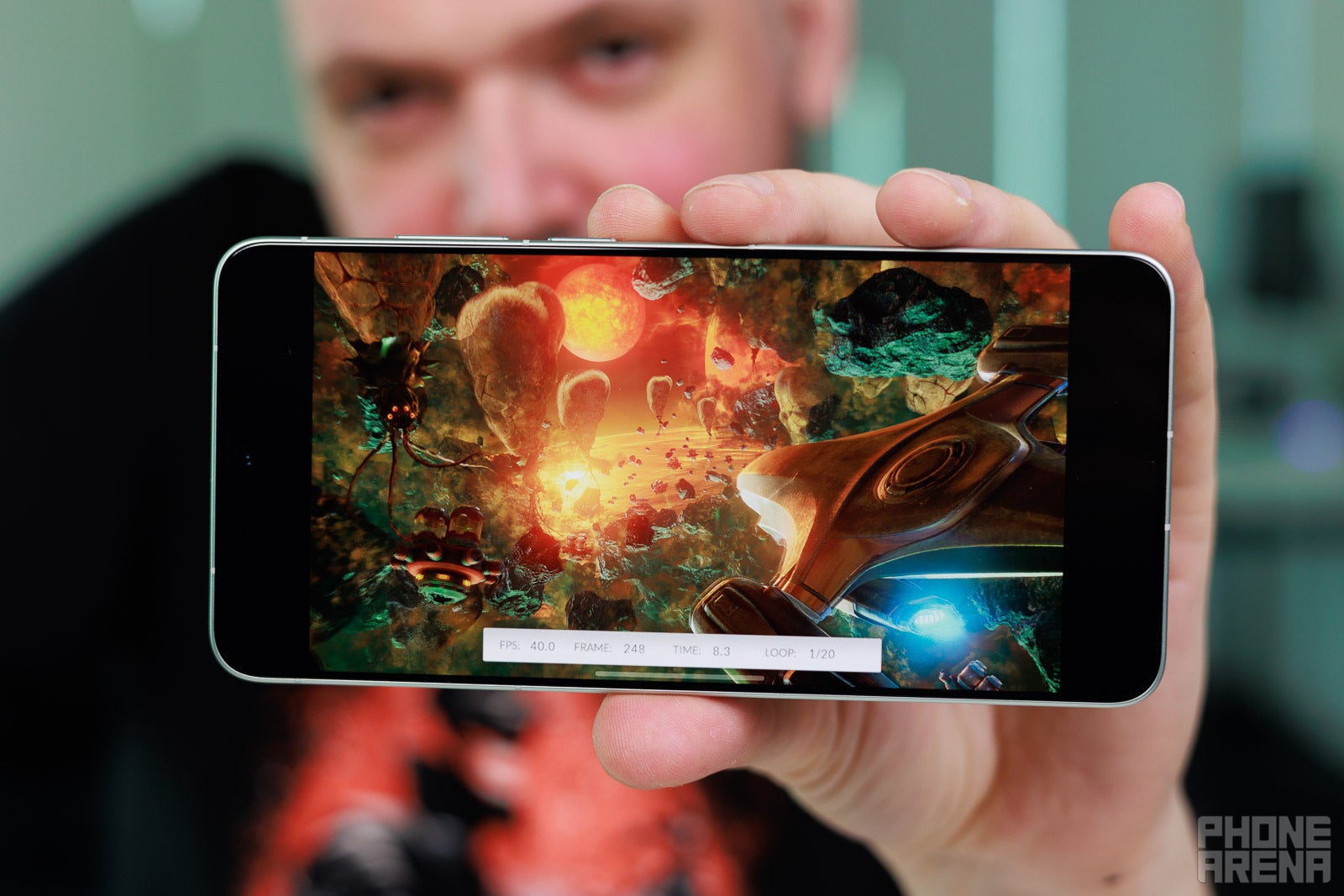
Powered to the brim | Image by PhoneArena
When the Vivo X300 Pro launched, it proudly flaunted the then new 3 nm MediaTek Dimensity 9500. It was developed in close partnership between the two ccompanies,and we had no complaints about the performance.
Still, the Vivo X300 Ultra comes with a Qualcomm Snapdragon 8 Elite Gen 5 — the 3 nm powerhouse that’s considered “the best” chip for Android smartphones right now. And it does cruch benchmarks with ease:
CPU Performance Benchmarks:
It is noteworthy that the Galaxy S26 Ultra still scores a bit more. Of course, Samsung has a special “Made for Galaxy” version of the Snapdragon in its phones, which is slightly overclocked. And this shows in the scores. That aside, the Vivo X300 Ultra is hanging pretty comfortably with the competition in both single-core and multi-core speeds, even outpacing the iPhone in the latter.
It goes without saying that everything you do on the phone is snappy and responsive. Whether you are opening the camera, juggling multiple apps, or enjoying some split-screen action.
GPU Performance
In the 3DMark test, the Vivo X300 Ultra starts off a bit slower than the Galaxy. However, it’s interesting to note that it doesn’t throttle down as much. 3DMark benchmarks are specifically designed to heat up the phone and force it to slow down. A higher “low” score signifies that the device has better thermal management and isn’t forced to throttle its performance too much.
So, every game you find on the Play Store will run just perfectly at max settings.
Vivo X300 Pro Software
Speaking of apps, it does also come with a hefty amount of bloat, two folders with recommended apps and games, and persistent notifications from the V-Appstore, which you can’t disasble or uninstall. Very not cool.
Also, for some reason, despite all the customization options, I can’t remove the NFC icon from the status bar. I think we keep our NFC on at all times, especially considering how access cards, discount cards, and digital payment are now all on our phones. So, having an icon there to warn you that it’s on feels redundant in 2026 — or at least lacking the ability to remove it makes little sense to me.
That aside, it’s hard to say bad things about OriginOS 6 — it’s blazing fast and buttery smooth. It’s feature-rich and won’t leave you wanting for gestures and customization.
We have widgets for the lock screen, multiple styles and animations for an always-on-display, an Origin Island active notification feature much like the Dynamic Island, AI writing tools, text extration from photos, super-res document scanning. It’s a complete and all-rounded OS that can hang with the big boys.
Vivo X300 Ultra Battery
6,600 mAh greets the world
When the Vivo X300 Pro came with a 6,510 mAh battery, there was a caveat. That was only for the Chinese model, as shipping batteries that are much larger than 5,000 mAh around the world comes with its own challenges.
Well, the Vivo X300 Ultra takes on these challenges and there’s no separation now. Wherever you are, if you buy the new Ultra flagship, you will get a 6,600 mAh Silicon-carbon battery. And it does not disappoint:
PhoneArena Battery Test Results:
Our browsing test is our general simulation of “casual smartphone use” — scrolling and reloading of web pages. 20 hours of screen-on time here tells us that we can generally get two days of use out of this phone, so long as heavy tasks are not involved. Well… actually.
12 hours of video binging and 11 hours of gaming tell the rest of the story — you can definitely get two days out of a single charge here. In fact, I am so spoiled by the Vivo X300 Ultra’s battery endurance that I have no charging habit with it. I just plug it in whenever I feel like it. And it can top up in less than an hour, so I barely follow my battery percentages.
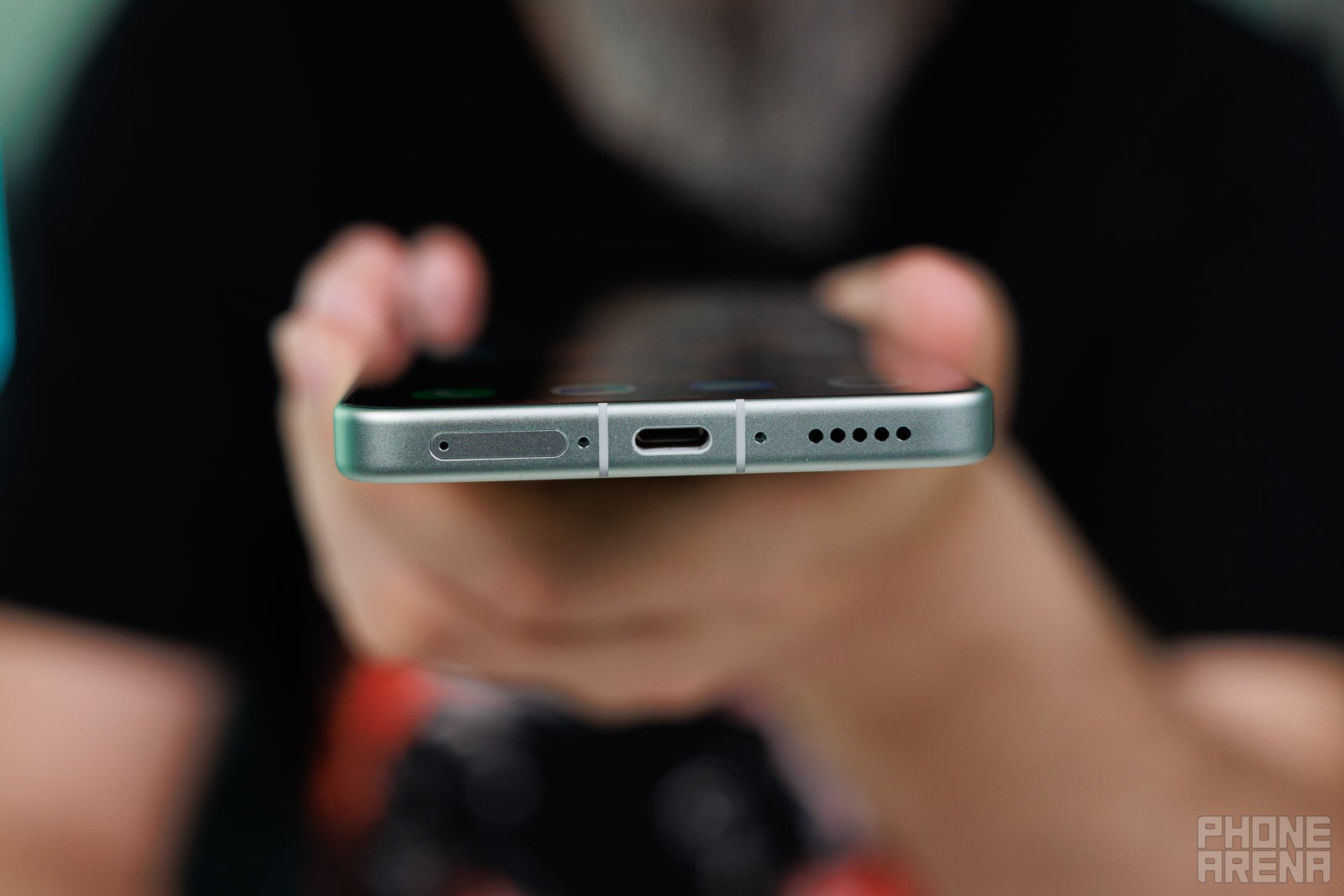
Fast charging enabled | Image by PhoneArena
And if you want fast wireless charging — a Vivo proprietary puck can deliver 40 W of power, so that’ll be a quick top-up, too.
Vivo X300 Ultra Audio Quality and Haptics
The haptics click strongly and accurately and are a pleasing feedback whenever you tap UI elements, unlock the phone, or scroll to the end of pages.
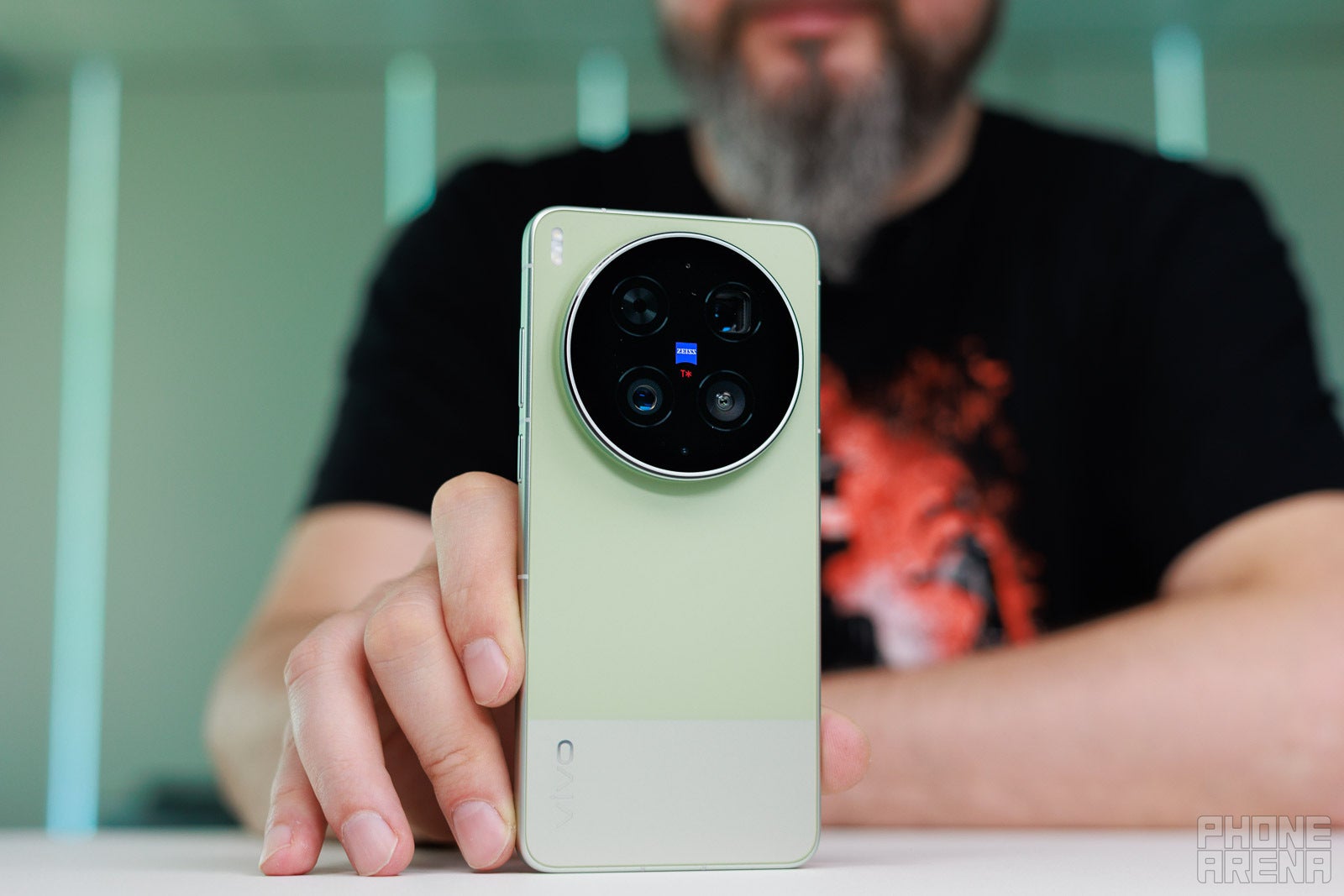
It’s an awesome phone, but… | Image by PhoneArena
The Vivo X300 Ultra is an expensive beast. €2,000 is a lot for a chocobar phone — it’s not even a foldable. And while I very much appreciate the camera improvements and the total package, we are strictly in the territory of diminishing returns here. I have to question whether the price is justified when the Vivo X300 Pro is a lot of the same phone for a whopping €700 less.
Couple that with the fact that if you are in the US and looking to buy one, you will have to take a leap of faith with 3rd party resellers and cross your fingers.
All of that said, I find the phone to be superb, especially for its intended purpose — a camera phone that gives you the ability to take amazing photos and record awesome videos. It doesn’t disappoint. It’s priced for the Vivo believers and fans for sure, but I have to question why, at that price, I am still treated to a faceful of pre-installed apps, ads, and bloat. At least it does come with the promise of 5 Android updates and 7 years of security patches.
So, should you buy it? Logical brain says “No!”, emotional brain says “You are going to have so much fun with it!”. Your wallet can make the final call.
