

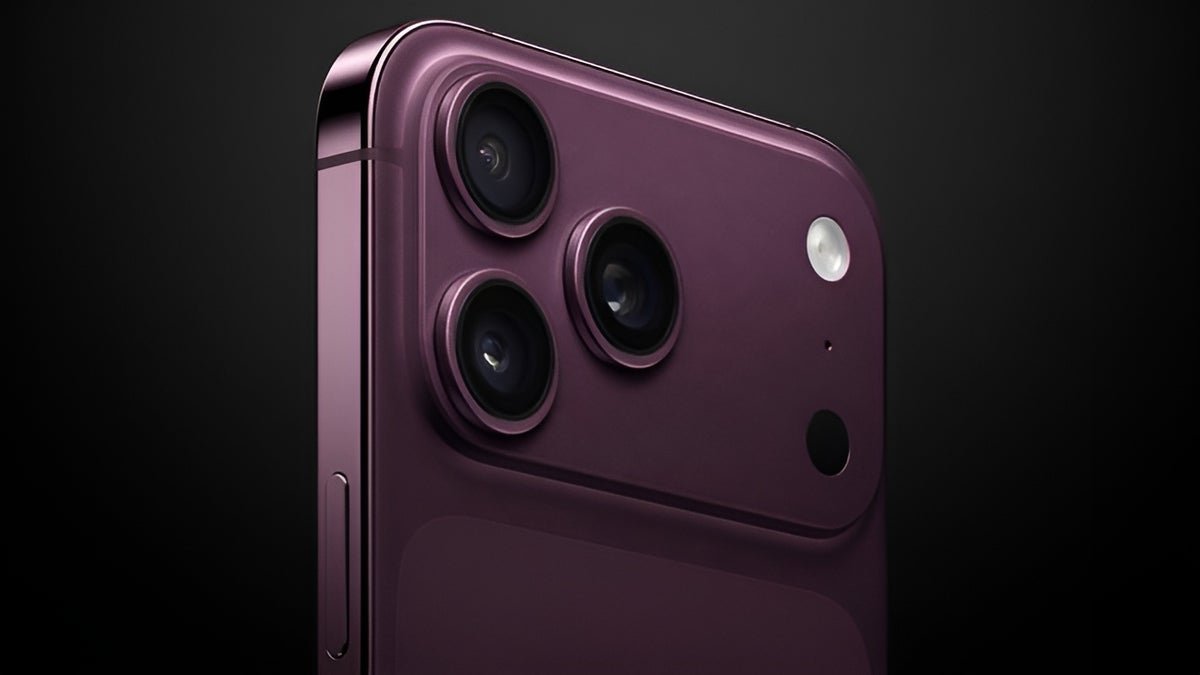
Like an iPhone, to be precise.
One good Apple design plan
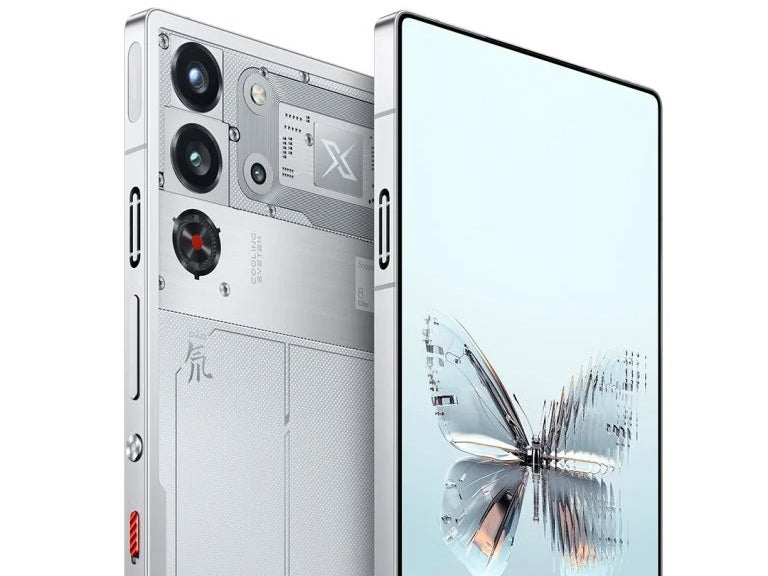
Perfect, cutout-free smartphone displays need to make a comeback. | Image by RedMagic
The best thing that Apple is trying to do is get rid of display cutouts. With the iPhone 20 Pro, Apple wants to release a phone with no notches or punch holes.
In addition, this display will meld into the chassis on all four corners, though differently from how previous smartphones did it. The idea is to create a borderless viewing experience with no distracting cutouts anywhere on the display.
Apple is aiming to start down this path with the iPhone 18 Pro, using an under-display Face ID component. Currently, this component’s performance is below acceptable standards, so it might not make the cut this year.
That hasn’t stopped other manufacturers from trying to design their own versions.
Android phones are adopting this
According to multiple reports from insiders that have ties to the supply chain, all major Chinese phone manufacturers — yes, all of them — are working on similar displays. Future smartphones from Xiaomi, Oppo, Vivo, Honor, Huawei, OnePlus, or anyone you can name will feature similar borderless displays.
Now that, I’m perfectly happy with. In fact, I’m very hopeful for the incoming smartphone breakthrough led by the iPhone. If smartphones finally revert to cutout-free displays, awesome.
That’s not the only thing Android phone manufacturers are mimicking, though.
Liquid Glass on iPhone
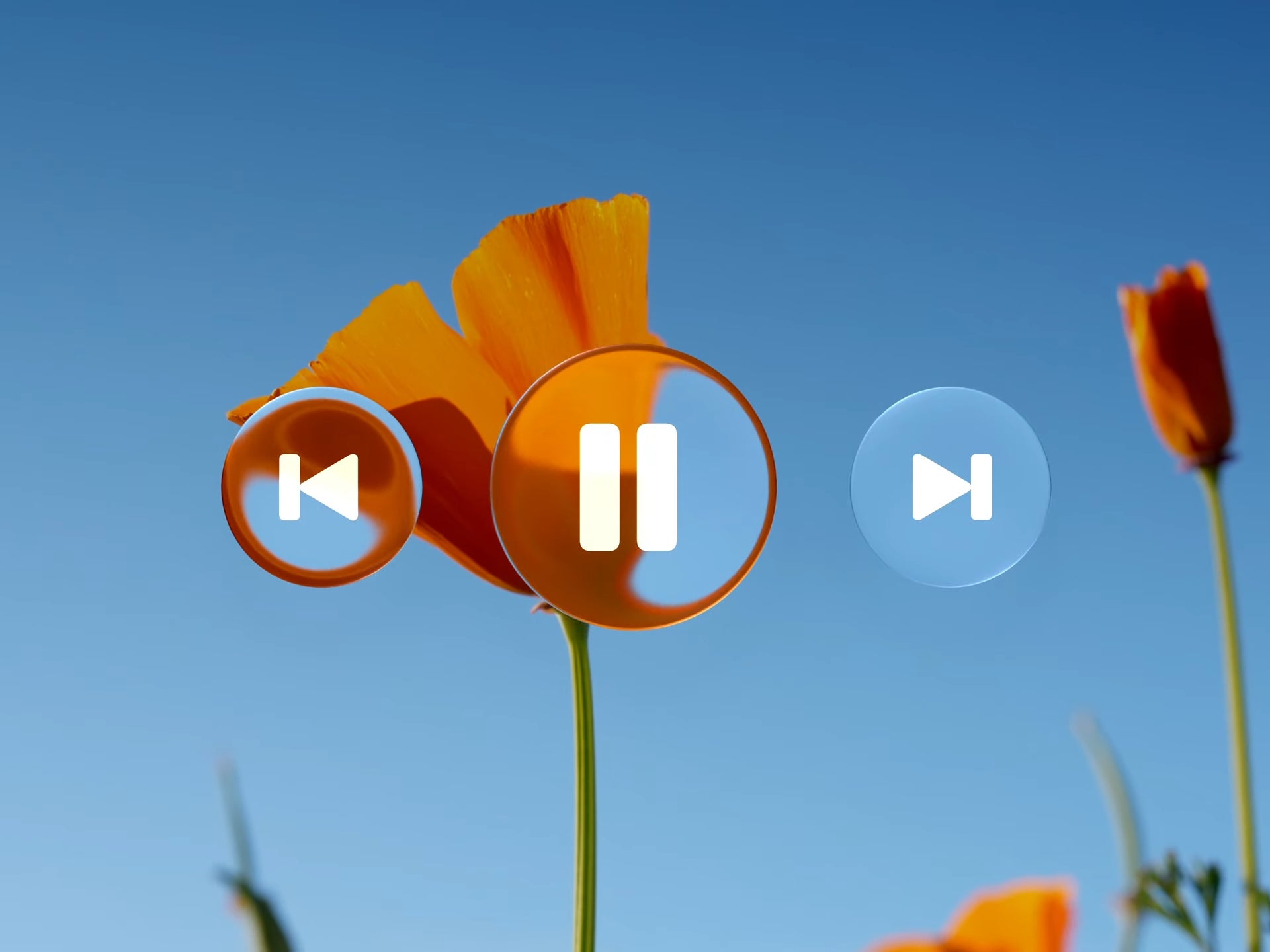
Brilliant concept, not so brilliant execution. | Image by Apple
The iOS — and other Apple operating systems’ — redesign with Liquid Glass is undoubtedly a work of art. Which is why Liquid Glass won an award for its innovation in the field of user interface design.
However, a work of art does not a good interface make. Apple has been toning down and refining Liquid Glass ever since it first came out, and now it doesn’t look nearly as impressive as it once did.
Another problem with Liquid Glass? It’s not for everyone. I get a slight headache from it, I’ve never been a fan of translucent digital glass.
An iPhone 18 inspired Android
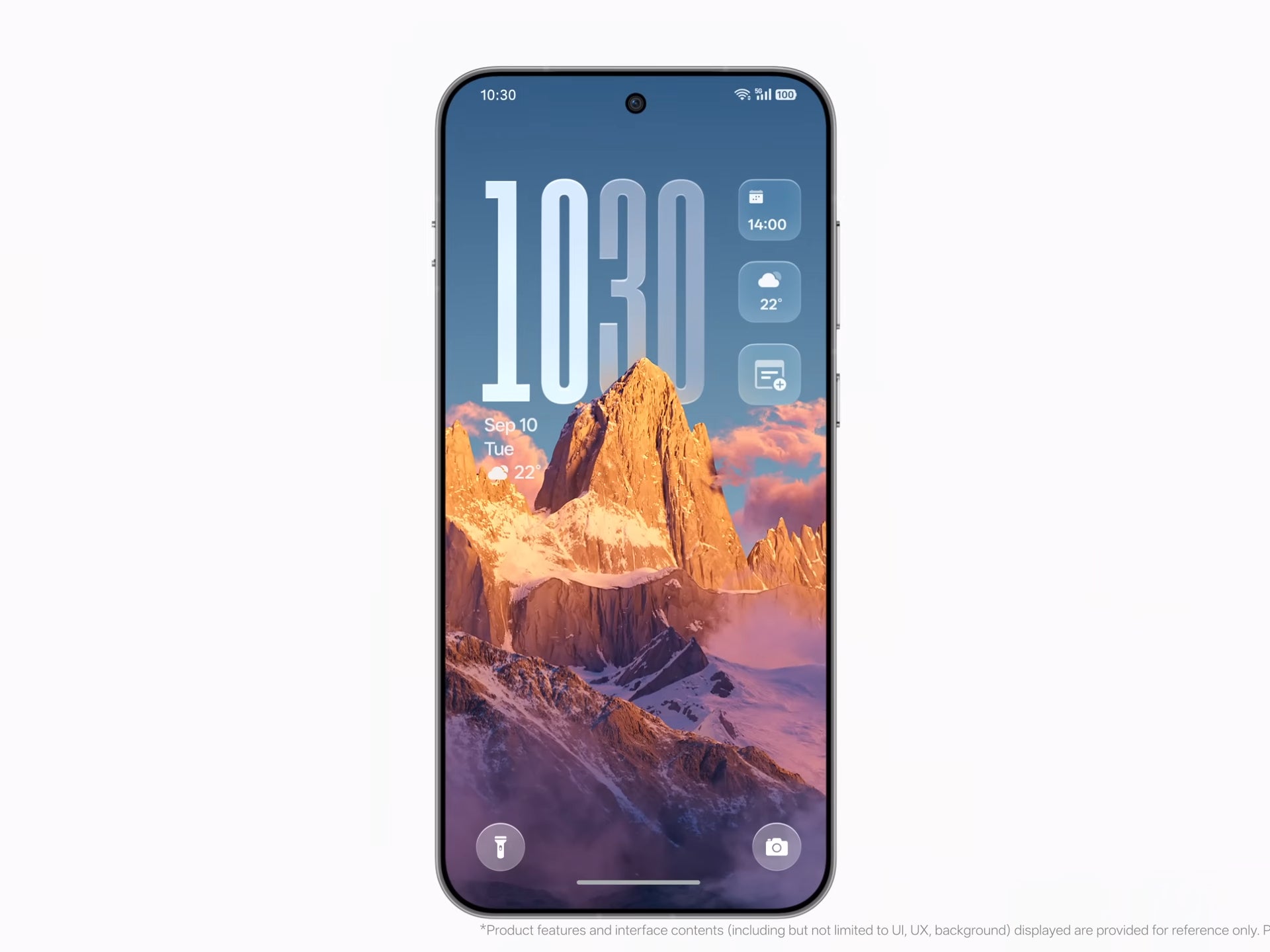
You’d be forgiven for confusing Oppo’s ColorOS with iOS. | Image by Oppo
If you use a Chinese smartphone, chances are very high that you’ve already been “upgraded” to a user interface that looks very similar to Liquid Glass. Every major Chinese operating system for smartphones has gotten the iOS treatment, though only Huawei comes close to the real thing in my opinion.
And now, Android itself is getting the Liquid Glass makeover. Well, not exactly, but close enough.
Google has explicitly said that Android won’t go the route of iOS and Liquid Glass, but the new UI is still somewhat similar. More frosted, sure, but in the same vein. The Android Show this month had hints of Apple’s design sprinkled in here and there.
Samsung’s One UI is also beginning to somewhat resemble Liquid Glass, after many of its design elements that were “inspired” by iOS. And, from what I’ve seen of Samsung, I wouldn’t be surprised if a heavier resemblance begins showing in a year from now.
Personally? Not a fan

Initially, Liquid Glass had a lot of problems. | Image by Reddit
I think Liquid Glass, at least the first version, was stunning to look at and see in motion, even if it didn’t work as a user interface. However, the entire smartphone industry does not need to follow Apple’s lead. Not every smartphone needs to look the same as any other in the market.
Borderless displays? Yes, please! Liquid Glass? If you’re going to add it to your phone, give users the freedom to opt out or tweak the translucency levels.
