

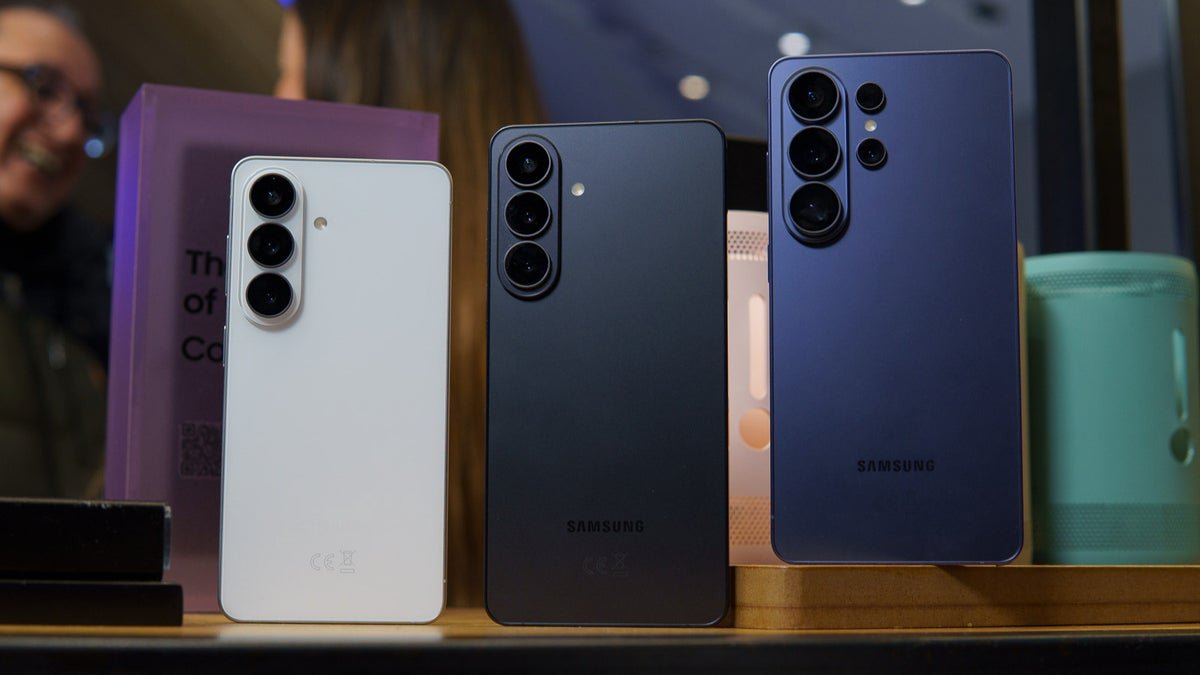
Samsung is bracing for impact a full week early
A new report out of South Korea says Samsung has officially entered emergency management mode at its Pyeongtaek campus, which is the company’s biggest memory chip facility. Roughly 15,000 wafer containers, or about 360,000 wafers, are being pulled off the automated DRAM production lines right now.DRAM chips are made in sealed, spotless environments that run nonstop. Samsung is yanking these wafers out preemptively because if the automated system halts mid-process during the strike, every single one of those wafers gets ruined.
In other words, Samsung is not betting on a last-minute deal. The company is acting like the strike is already happening.
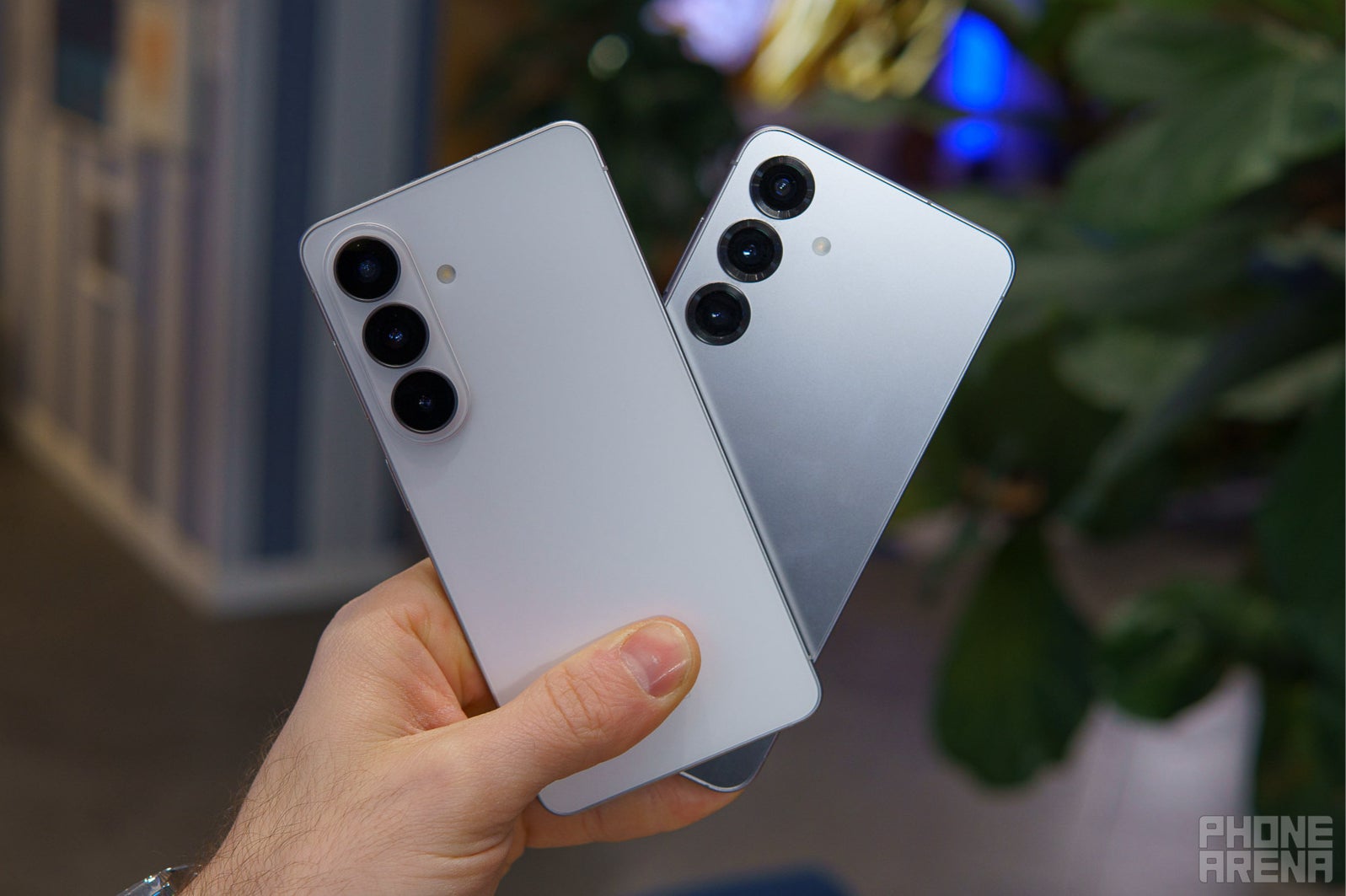
Samsung Galaxy S26 and Galaxy S25. | Image by PhoneArena
What is actually about to happen on May 21
Samsung’s biggest labor union announced an 18-day general strike starting May 21 after rejecting the latest compromise offer on incentive pay, and we covered how those negotiations collapsed earlier this week. We’ve been tracking this story for months, going back to when tens of thousands of workers turned out for a pre-strike rally.
This isn’t a symbolic walkout, either. Projected losses sit between 10 and 20 trillion won, and some estimates push the figure as high as 100 trillion won once you factor in the month it takes to restart a chip line after a shutdown. The South Korean business community is openly asking the government to step in with emergency arbitration powers, which would force a 30-day cooldown. That tells you how serious this actually is.
Why your Galaxy S26 is about to feel this
Samsung makes the vast majority of the world’s DRAM, and DRAM prices have been climbing all year. A 12GB chip that cost $33 at the start of the year is now selling for around $70, and that was before a major production shutdown was even on the table.The chips inside your phone, the same ones that handle multitasking and app loading, are about to get more expensive to make. We already saw the early ripple effect when Samsung’s own chip unit refused to lock in a long-term DRAM deal with its phone division, forcing Galaxy’s mobile group to buy quarterly at climbing prices. Now stack an 18-day strike on top of that.
Every Android maker buying Samsung memory (Google, Motorola, OnePlus, Xiaomi) is staring at the same problem. Apple gets a little breathing room because it leans more on SK hynix and Micron, but nobody is fully insulated.
And here’s the part that should actually frustrate you
The whole dispute boils down to whether Samsung will lift the 50% salary cap on worker bonuses and tie incentive pay to operating profit. SK hynix workers already won those terms last year. Samsung refused, and now we’re staring down a global supply shock because the company would rather let the line go dark than restructure how it pays the people running it.Guess who eats the cost when DRAM gets pricier and production gets squeezed? You do. The Galaxy S26 series was already rumored to launch at a higher price than the S25 lineup before any of this, and a strike-induced memory squeeze gives Samsung the perfect excuse to push prices even higher.
If you’ve been eyeing an upgrade in 2026, my honest take is don’t wait this out. Phone prices very rarely come back down once they go up, and “supply chain disruption” is the kind of phrase that sticks to a price tag for years. Lock in what you want now if you can, because whatever happens on May 21, the consumer is the one writing the check.
