

Undercutting the biggest player
Over 10 days ago, rumors hinted that Samsung may be considering the unthinkable: not to supply the ‘vanilla’ Galaxy S27 with its in-house display. Reports suggested the South Korean tech giant might collaborate with Chinese display manufacturer BOE for the base model.

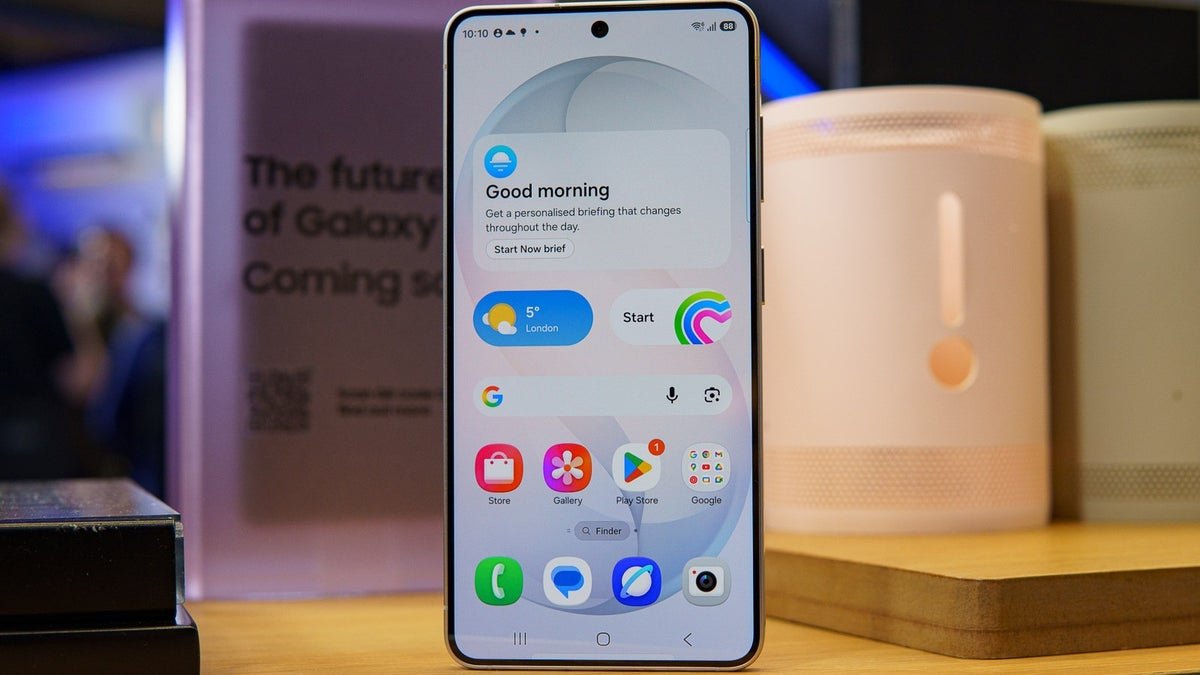
Will the Galaxy S27 screen suffer the consequences? | Image by PhoneArena
A fresh report surfaced on May 22, revealing Samsung’s decision may be far more than just a rumor. ZDNet Korea notes (machine translated) that BOE has reportedly approached the tech giant with an informal offer to supply OLED panels for the standard model, undercutting Samsung Display by $5.
BOE’s reputation is somewhat ‘iffy’
BOE is one of the biggest display manufacturers for mid-range and low-tier devices. However, the company has historically faced challenges in consistently meeting the stricter quality and yield requirements for flagship-tier smartphones, where leading brands demand excellence.
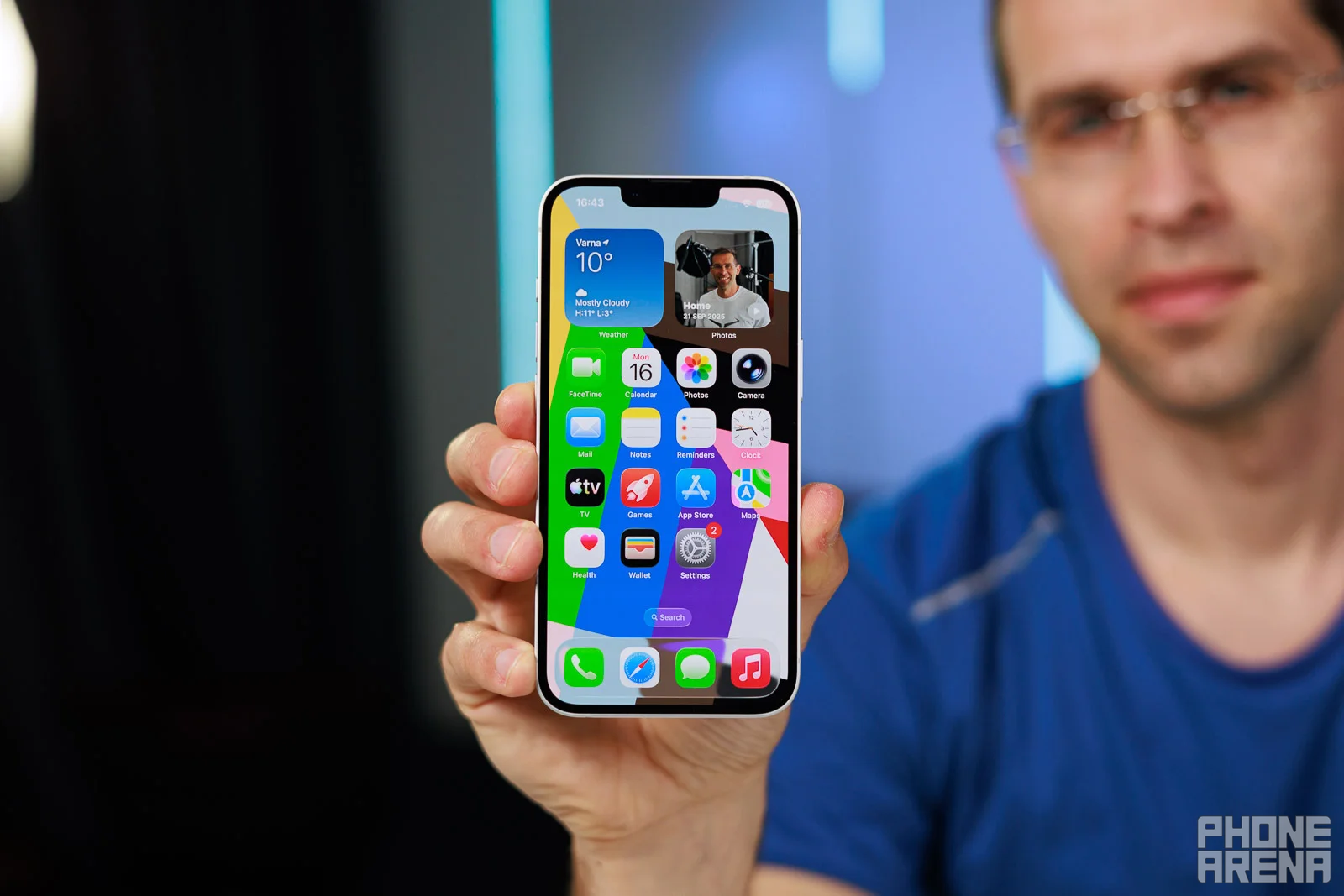
The iPhone 17e actually has a BOE OLED display. | Image by PhoneArena
Notably, Apple allocated OLED production for the iPhone 17 and some earlier models to Samsung Display due to manufacturing problems encountered by BOE. But then, the iPhone 17e, which debuted in 2026, shipped with a BOE OLED screen.
What does this ultimately mean for the Galaxy S27?
Galaxy S27 display: good or… not so much?
According to ZDNet Korea, BOE could utilize Samsung Display’s diamond pixel patent for the assembly of the red, green and blue (RGB) subpixels. If true, this could mean the company might be able to produce OLED panels of similar quality to the Galaxy S26.
And if Samsung keeps the upcoming flagship’s screen relatively unchanged, there are essentially no technical obstacles left for BOE.
Undoubtedly, upgrades are what most users would certainly want to see. Still, the rising prices of components may push Samsung toward a more restrained approach to keep manufacturing costs under control. If BOE OLED panels are indeed introduced for the base variant next year, Samsung could also avoid another price hikes (at least for the Galaxy S27).
It goes beyond the display
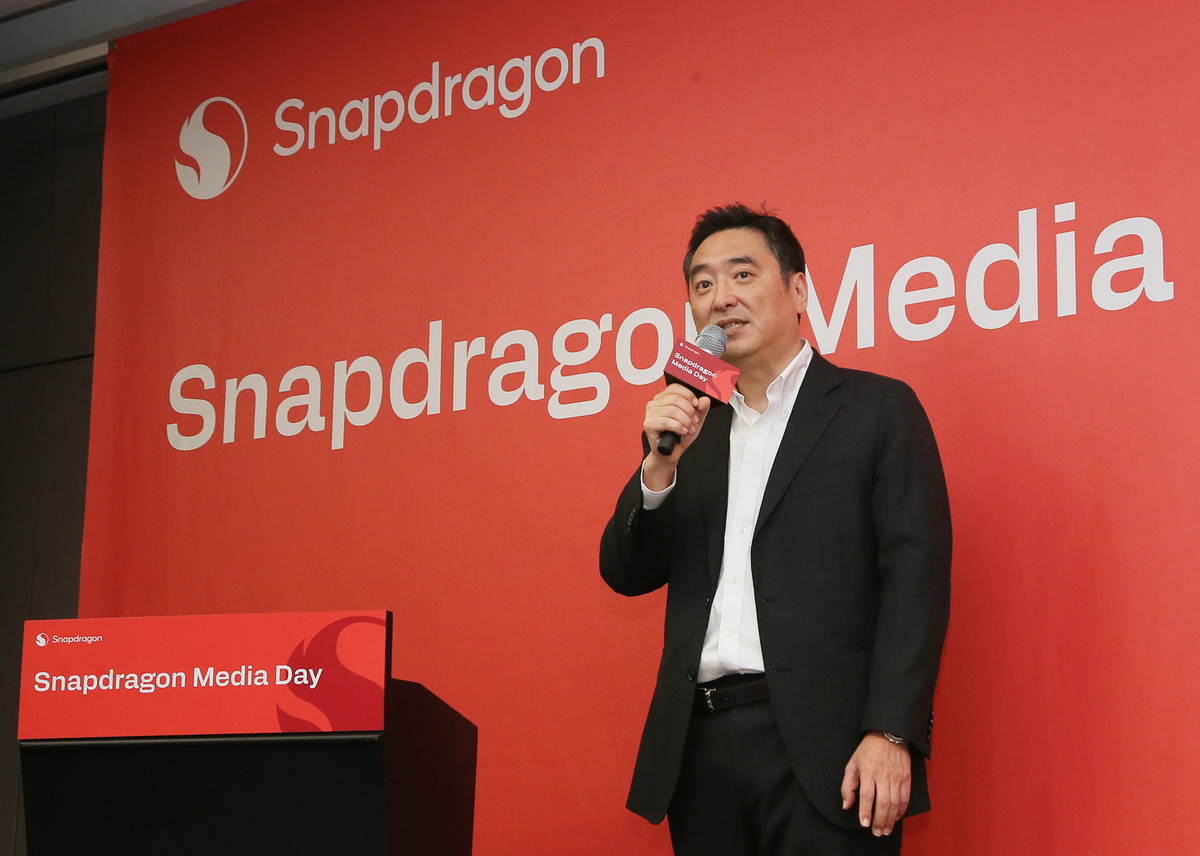
Kim Sang-pyo, President of Qualcomm Korea. | Image by Seoul Economic Daily
If Samsung is forced to compromise on its flagship model’s display, will that ease the difficult situation? Rumors indicate there may be another problem, driven by the skyrocketing price of semiconductors from Qualcomm.
Korean outlet Seoul Economic Daily points out that Qualcomm Senior Vice President Chris Patrick and other executives held a press conference on May 20. Officials explained that Qualcomm is actively seeking ways to keep prices manageable for key customers like Samsung without compromising performance.
We are aware of our customers’ concerns and are deliberating on a solution. We are looking for a compromise between performance and cost. We are considering methods such as cross-integrating product families with adjusted specifications instead of top-tier chips.
Qualcomm Senior Vice President Chris Patrick
However, Kim Sang-pyo, President of Qualcomm Korea, pushed back on these predictions.
There has been no concrete discussion yet.
Kim Sang-pyo, President of Qualcomm Korea
It’s all about cost reduction
At first glance, a BOE OLED screen and an Exynos chip on a larger scale may make the next Galaxy S27 seem like a major downgrade instead of an upgrade.
However, I’ve grown to appreciate what Samsung is doing with its in-house silicon. The Exynos 2600, which powers some Galaxy S26 models in select markets, turned out to be very similar in terms of performance to the Snapdragon 8 Elite Gen 5.
If the tech giant pushes further for innovation, I have no doubt that the Exynos 2700 will turn out to be an even more efficient and powerful chip. In addition, if BOE meets Samsung’s strict standards and produces the same quality OLED screen, users might not feel the impact of this cost-cutting decision.
Bottom line: I think Samsung is actively trying to find a reasonable solution to the increased manufacturing costs so that the end user doesn’t have to pay the highest price at the end of the day.
