

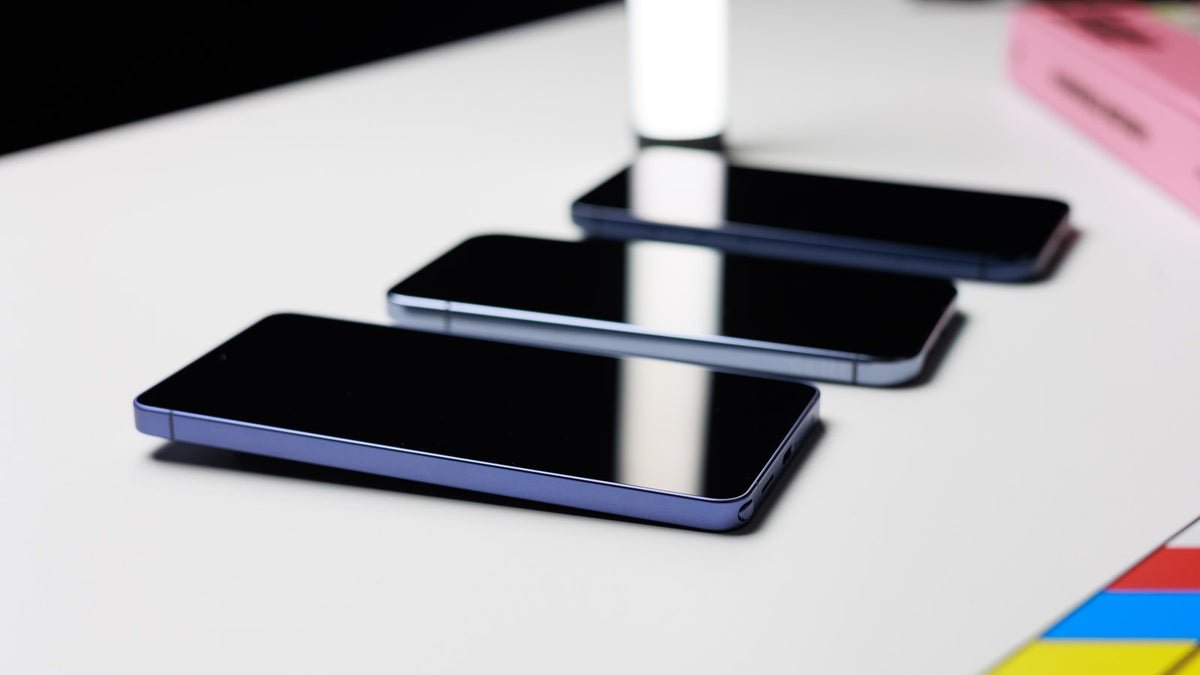
When the Galaxy S24 Ultra released back in 2024, the one hardware innovation that absolutely floored me was its Gorilla Armor anti-glare glass. At that point, we were pretty settled in the ways the hardware worked, and nobody was even thinking that the basic construction of our glass slab smartphones could be improved.I spent a good chunk of 2024 and even 2025 using the Galaxy S24 Ultra and the feeling of enjoyment from its vibrant display hardly faded away. Especially since I switch phones often, and this going back and forth through devices served as a constant reminder of how good the screen glass is.And now, the Galaxy S26 Ultra comes with Gorilla Armor 2!
How good is it? We measured it!
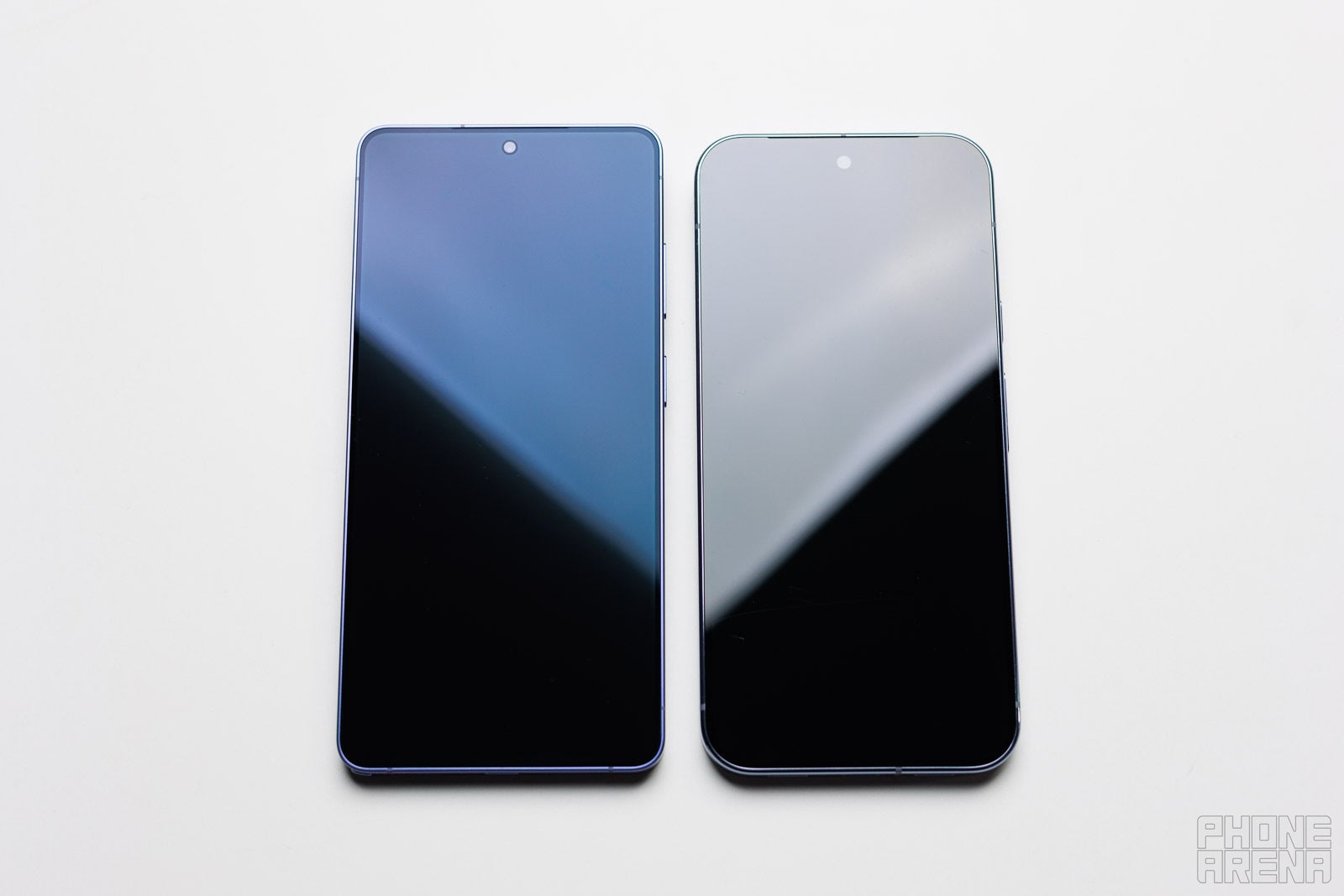
Galaxy S26 Ultra vs Pixel 10 Pro XL – screen off | Image by PhoneArena
So, we wanted to make sure that we have exact measurements to tell whether that is true or not. And also, see how the Galaxy S26 Ultra stacks up against the competition, now that Apple also claims its iPhone 17 series has improved anti-glare coating.We took the phones to the PhoneArena lab table and tested reflectivity with professional instruments.
Contemporary flagship phones reflectivity measurements:
We conducted the test in three different environments, using three different types of light sources. These percentages basically show you how much of the light that’s being directed towards the glass panels is being reflected back at you.
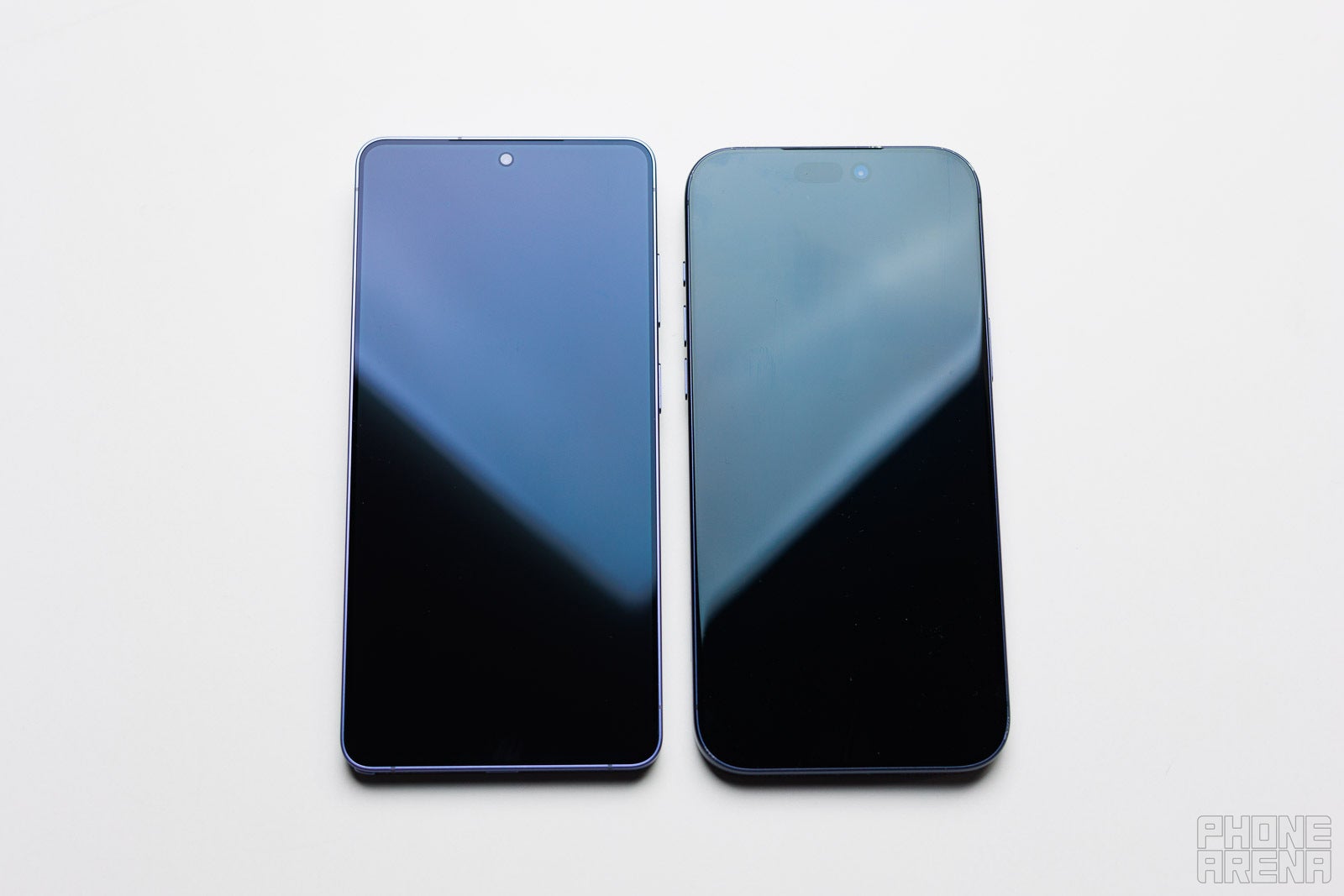
Galaxy S26 Ultra vs iPhone 17 Pro Max – screen off | Image by PhoneArena
However, the numbers show that even with this slight “downgrade”, it still manages to be the best anti-glare coating among its closest competitors.
Also, worth noting, that the Galaxy S26 and Galaxy S26 Plus use Gorilla Glass Victus 2 — still as tough as nails, and more widely adopted in other flagships. Which is why they have the same reflectivity as the Google Pixel phones, which also use Victus 2.
How is Gorilla Armor 2 on the Galaxy S26 Ultra special?
Gorilla Armor glass panels are made by industry leader Corning. But you may have noticed that this exact branding — Gorilla Armor — is only used on Samsung Galaxy Ultra phones. Why is that?Because that particular product was developed by Corning specifically for Samsung. And it’s not just a layer of “coating” that’s applied to the glass.
- It’s part of the construction – the glass itself has nanometer-thin layers of special ions deposited into it, which are designed specifically to disperse light in between them, causing the light waves to cancel each other out instead of reflecting back at the user.
- You can’t just “rub it off” — since the anti-glare is not just a coating on top of the glass, but a part of the glass structure itself, you can’t simply scratch it off, rub it off, or have it wear out after years of use.
Due to the long-standing partnership between the two companies (50 years and counting), Samsung has exclusive access to Gorilla Armor. Manufacturing it is an elaborate and expensive process, and that’s why the Galaxy S26 Ultra is the only phone with Gorilla Armor 2.
Galaxy S26 Ultra vs Galaxy S25 Ultra reflections – how much of a difference is there?
As our measurements showed, it turns out the early reports were true. I can only imagine that, since the anti-reflective layers are literally baked into the glass, the fact that Samsung had to incorporate yet another layer, which is the Privacy Display grid, somehow affected the entire package.However, is it a dramatic change?
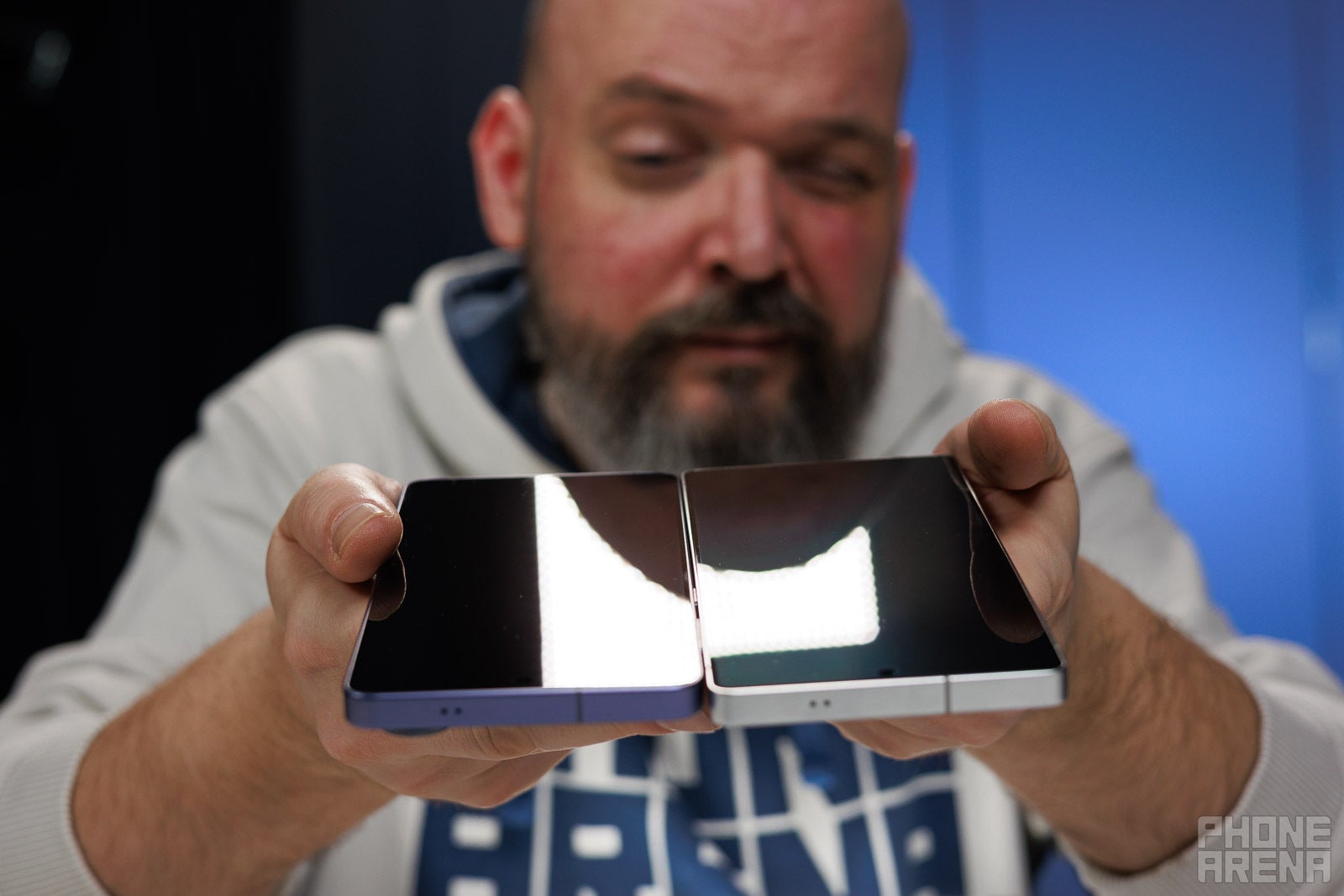
Galaxy S26 Ultra vs Galaxy S25 Ultra | Image by PhoneArena
That’s to say — when the screens are on, I couldn’t really spot a difference. Only when they were off, and I was specifically trying to find it, did I see the reflections on the Galaxy S26 Ultra glass being slightly brighter.
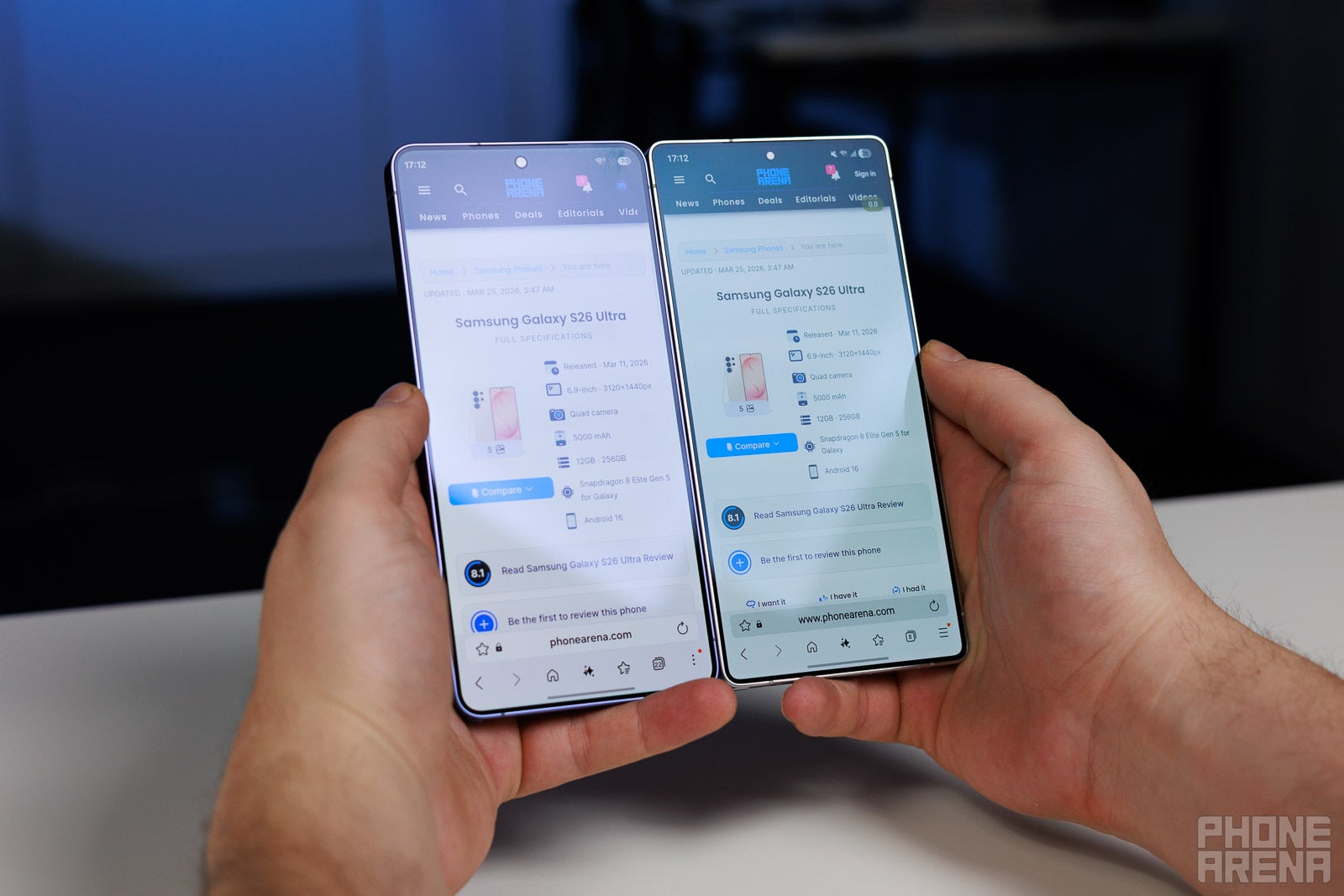
Galaxy S26 Ultra vs Galaxy S25 Ultra | Image by PhoneArena
But when we go up to an iPhone, the differences become slightly more visible, even with content on the screens. And when moving over to Google’s Pixels, I could definitely see the screen reflection difference.
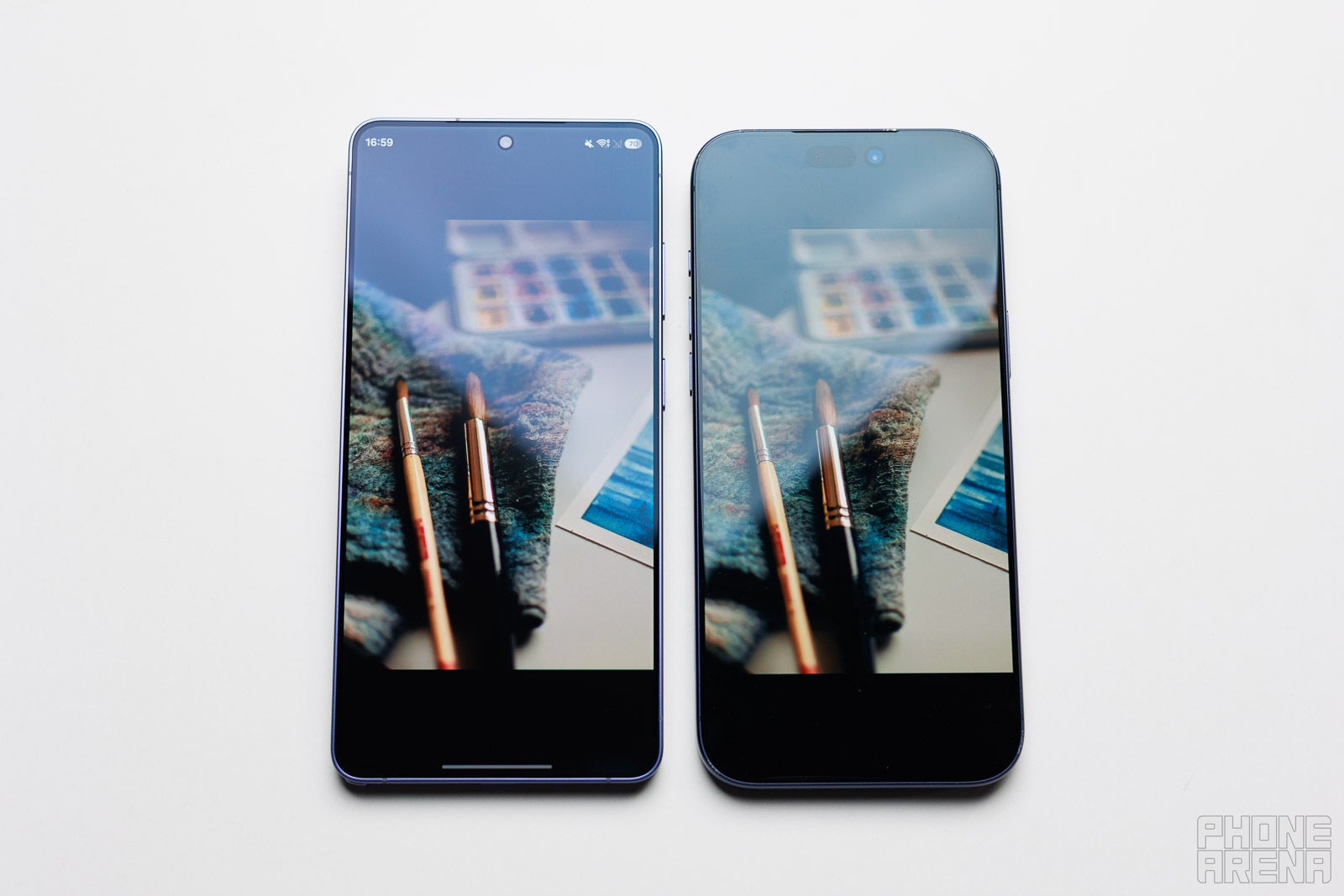
Galaxy S26 Ultra vs iPhone 17 Pro Max – screen on | Image by PhoneArena
The unexpected ways anti-glare improves your experience
When we hear anti-reflection coating, our first thought is “Oh great, it’ll be easier to use outside on a summer day”. But, in reality, it goes beyond that.I had never considered how much reflections actually muddy up on-screen image. And yes, most modern smartphones have some sort of anti-reflectivity treatment, but it took Gorilla Armor’s improved coating to show me how much that matters.
Even if you are indoors, even if it’s overcast outside, the fact that there’s less “ambient pollution” over the display glass instantly makes the screen’s colors, contrast, and sharpness more striking.
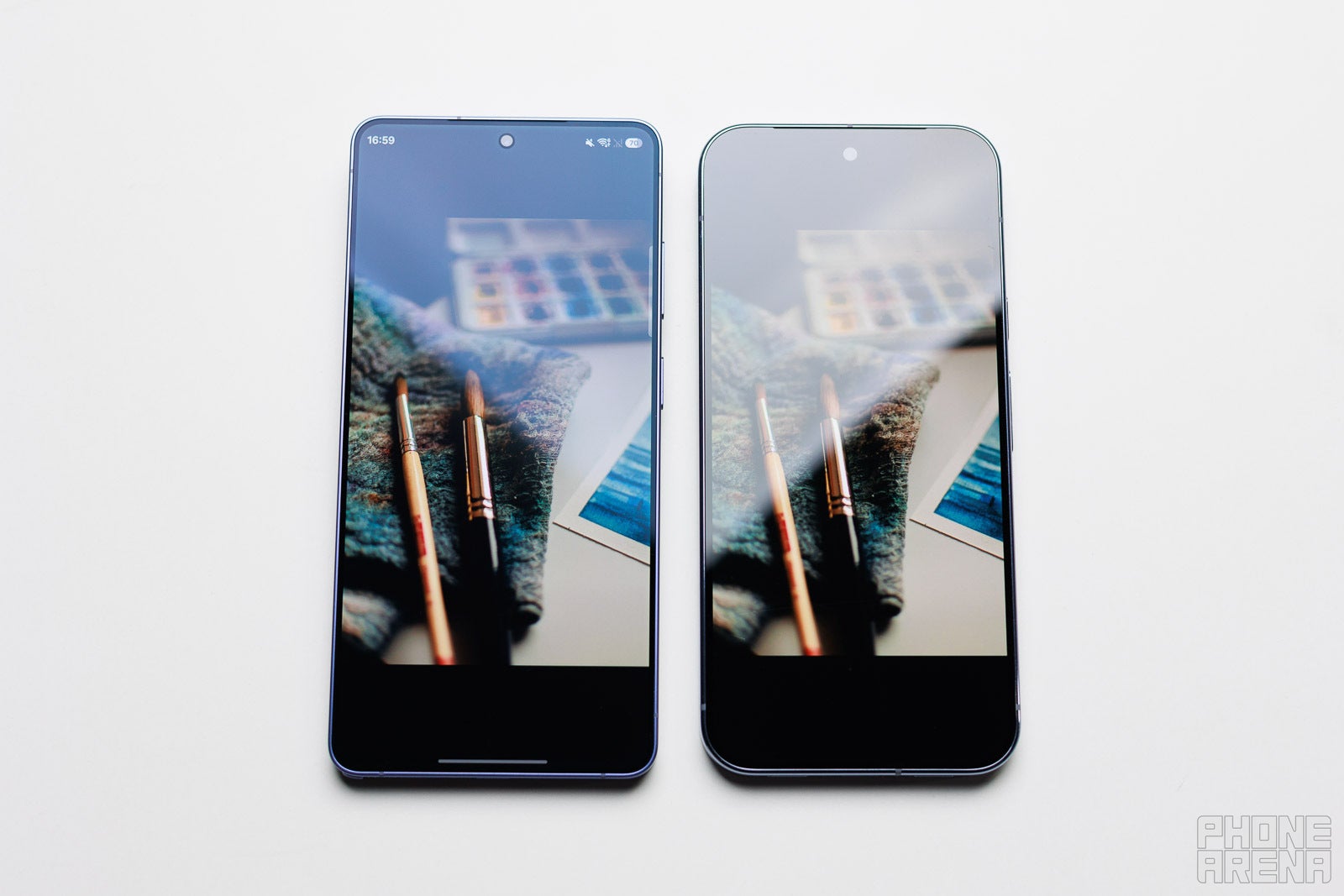
Galaxy S26 Ultra vs Pixel 10 Pro XL – screen on | Image by PhoneArena
Hardware innovation is still king
As I said in the opening of this article — we barely expect to see innovation in hardware and build materials these days. Which is why it’s so cool when it does come. Specifically when it has a tangible, measurable, and visible improvement over how things used to be.
The anti-glare construction was what did it for me in 2024, and it’s still amazing to switch to a Galaxy S26 Ultra in 2026 and watch the reflections fade away. Now, there’s a new hardware upgrade that we didn’t see coming — the Privacy Display. Samsung is not done, it seems!
[1] Privacy Display – Requires manual activation in settings to function. Privacy Display feature is not AI-powered.
