


Verizon paid Sampath $4 million last year to keep him as CEO of the Consumer Division
Verizon‘s new CEO, Dan Schulman, took over on October 6th talking about his plan to remake Verizon as a wireless provider that puts customers first instead of profits. But he immediately laid off 13,000 subscribers, the largest round of job cuts in company history. The CEO said that the layoffs were made in order to generate “enough money to put back into our value proposition to customers.”
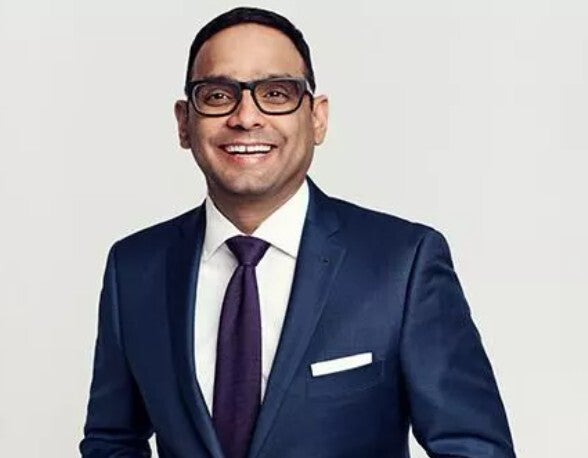
The departing CEO of Verizon Consumer Group Sowmyanarayan Sampath. | Image credit-Verizon
The departing executive ran Verizon’s most important business segment
“We are at a critical inflection point, improving our customer experience and bringing greater intensity to how we execute. As we change and grow, there will be changes in our structure and leadership.”
-Dan Schulman, CEO, Verizon
The first quarterly results released after Schulman took over were strong. For the fourth quarter, Verizon announced that it had 616,000 net new postpaid phone additions, the gold standard of performance results announced each quarter. Not only did that figure top Wall Street estimates, but it was also the highest number reported by Verizon for that category since 2019. During the first nine months of 2026, Verizon reported a loss of 347,000 postpaid phone lines. During the company’s earnings call following the release of the fourth quarter figures, Verizon forecast that for 2026 it will add 750,000 to 1 million net new retail postpaid phone lines.
Verizon, T-Mobile, and AT&T shares outperform a very weak market
The carrier also is aiming to report earnings of $4.90 to $4.95 for 2026, which is well ahead of Wall Street’s estimate of $4.75. David Barden, head of U.S. communication services at New Street Research, says, “Transition chief and now interim Consumer CEO Villanueva has his work cut out for him balancing internal transformation with external competition.”
During that call, Barden said that Schulman made it clear that Verizon will not resort to price hikes in order to show growth. Wall Street prefers organic growth to growth from artificial means like higher pricing.
