

Highlights:
- Nvidia CEO Jensen Huang’s China visit comes amid fresh uncertainty over H200 AI chip imports.
- China’s customs block shows how fragile US approval is without Beijing’s green light.
- The episode underlines the next phase of the US–China tech war: selective access, higher costs, and slower trust.
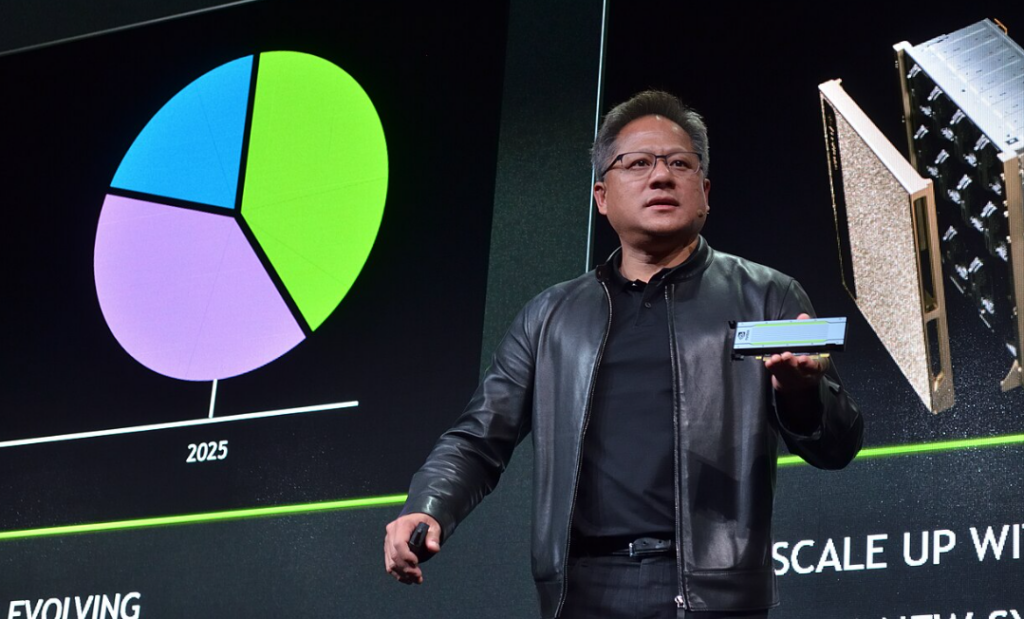
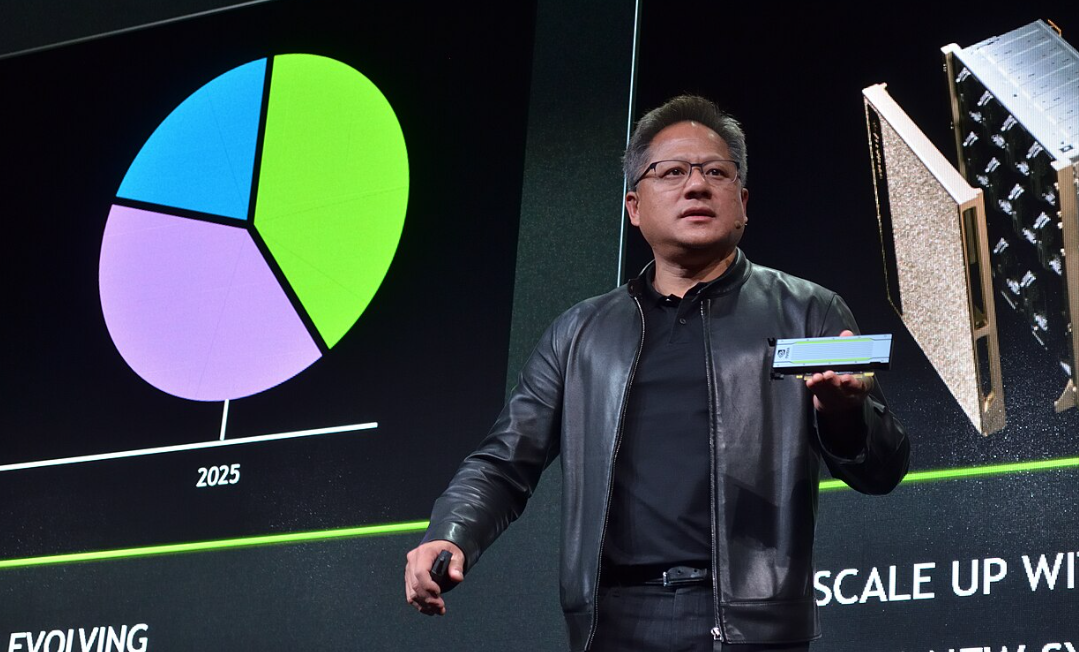
Nvidia CEO Jensen Huang is currently in China, visiting Shanghai, and is expected to visit Beijing and Shenzhen. The trip follows Nvidia’s long-running Lunar New Year tradition with employees, but it comes at a tense moment.
Just days earlier, Nvidia’s H200 AI chips were unexpectedly blocked by Chinese customs after arriving in Hong Kong. No formal explanation has been given, and officials have not said whether the restriction is temporary or permanent.
Nvidia has also stayed silent, adding to uncertainty for customers and investors.
Why the H200 Block Matters
The H200 is one of Nvidia’s most powerful AI chips allowed for China under US rules. Washington approved exports again in December, under President Donald Trump, after months of lobbying. However, China’s customs action shows that US approval alone is not enough.
Chinese regulators have warned local tech firms to reduce reliance on Nvidia and prioritise domestic chips. Companies like Alibaba Group, Tencent, and ByteDance are now buying H200s only for critical projects. Limited supply has also pushed prices up sharply on the grey market.
What This Means for the US–China Tech War
This episode highlights a new phase of the tech conflict. Instead of full bans, both sides are using delays, fees, and quiet approvals as leverage. For the US, it limits China’s access without shutting the door completely. For China, it pressures firms to build local alternatives while keeping Nvidia within reach.
Looking ahead, the future likely means slower approvals, higher costs, and more uncertainty. NVIDIA may still do business in China, but every shipment now depends on politics as much as performance.
Read More:
(via)
