


CES 2026 opened with a familiar pattern where laptops and PCs once again filled keynote stages, but this time the spotlight was clearly on AI PCs. Brands such as Samsung, Dell, HP, Lenovo, Asus, and Microsoft partners used the event to highlight how on-device AI has moved from concept to mainstream product strategy, setting the tone for the rest of the year.
3A hardware reset driven by AI silicon
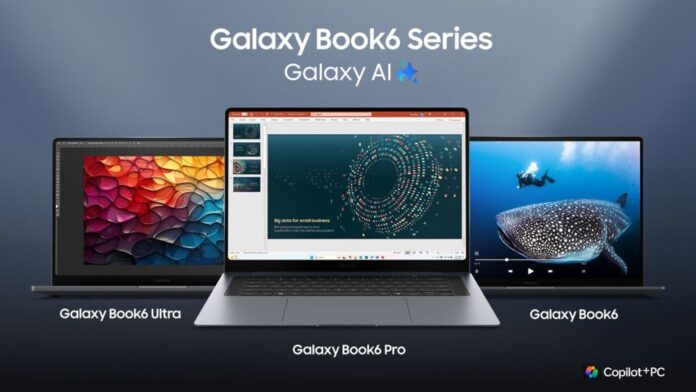
Samsung Galaxy Book 6 series
One of the main reasons AI PCs dominated CES 2026 is the maturity of dedicated AI hardware. Almost every major announcement revolved around new processors that integrate powerful NPUs alongside CPUs and GPUs. Intel showcased its Core Ultra Series 3 platform, which powered devices like the Samsung Galaxy Book 6 Ultra and Dell XPS AI refreshes, focusing on local AI tasks such as image processing, video enhancement, and productivity automation.
Qualcomm also made a strong case with Snapdragon X Elite and X Plus-powered laptops from Lenovo, HP, and Asus, positioning ARM-based Windows PCs as long-term alternatives to traditional x86 systems.
These chips are not about raw performance alone. Vendors repeatedly stressed how running AI models locally reduces cloud dependence, improves response time, and keeps sensitive data on the device.
Products such as the Lenovo Yoga Pro AI and HP Spectre x360 AI Edition were presented as everyday laptops that quietly handle AI workloads in the background rather than experimental machines. This shift explains why AI branding appeared across premium, mid-range, and even thin-and-light notebooks, instead of being limited to flagship models.
