

A potential architectural shift inside Exynos
A Sisa Journal report indicates that Samsung may be planning to dramatically change the design of its upcoming flagship silicon. Supposedly, the brand is looking to ditch a high-end stacked design WLP (wafer-level packaging) in favor of a Side-by-Side (SbS) arrangement.
According to the report, Samsung will arrange the chip and DRAM horizontally rather than stacking them vertically. Supposedly, Samsung is moving to this design in order to keep profitability.
WLP played its part
For years, Samsung chips were plagued by severe heat problems, which eventually earned them a bad reputation. But since the WLP process was introduced, the South Korean tech giant has improved heat management in its processors.
When the Exynos 2400 was introduced, Samsung advertised it reduces thermal resistance by 16%. Since 2024, the company has used the WLP process to ensure optimal heat management. In the Exynos 2600 chip, it also adds a Heat Path Block (HPB) technology to further improve thermal management.
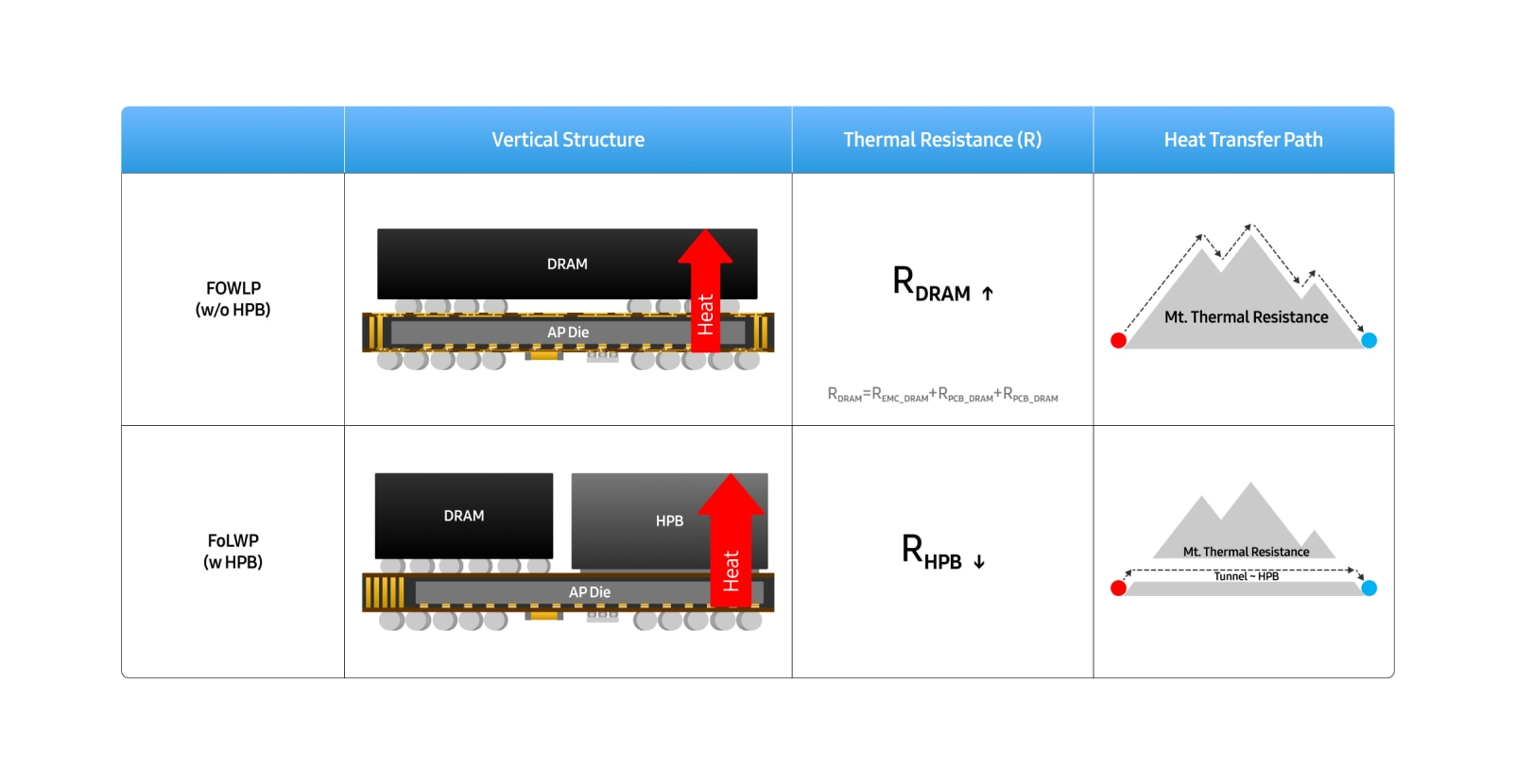
Heat Path Block layout. | Image by Samsung
Despite its numerous benefits, WLP has reportedly become too complex and expensive to manufacture, practically forcing Samsung to adopt a different strategy. But what does the new design mean for users?
A dive into the unknown?
If Samsung moves away from WLP, this doesn’t necessarily mean the Exynos 2700 will be less thermally efficient than the previous generation. The company is expected to retain the HPB system introduced with the Exynos 2600.
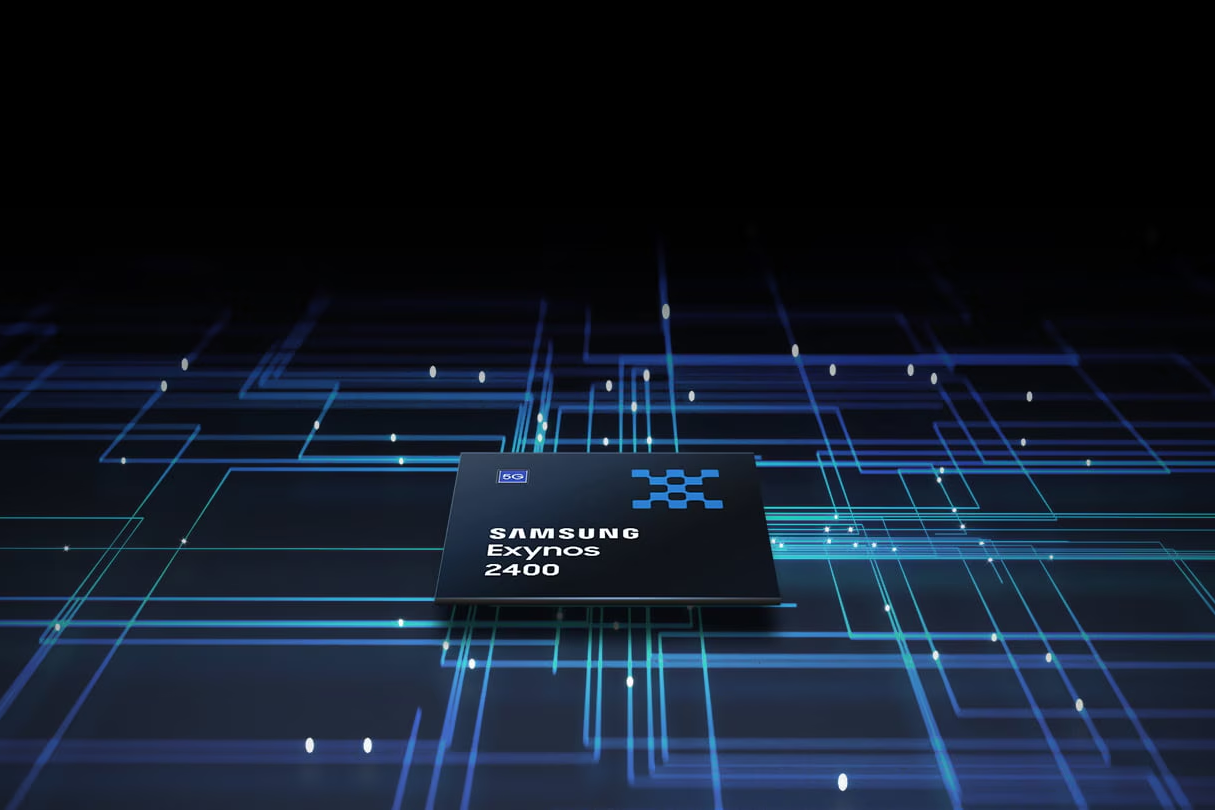
The Exynos 2400 was the first Samsung SoC with a WLP packaging. | Image by Samsung
The Exynos 2700 is being developed without setbacks using the flagship technology competitiveness secured from its predecessor, the Exynos 2600. We expect to further expand our market share by enhancing AI performance.
Shin Seung-cheol, Executive Vice President and Head of System LSI Sales at Samsung Electronics
Expensive doesn’t always mean impressive
At first glance, Samsung’s shift seems worrying. With Exynos’ historical track record, any major change raises doubt. But looking deeper, I’m actually feeling optimistic.
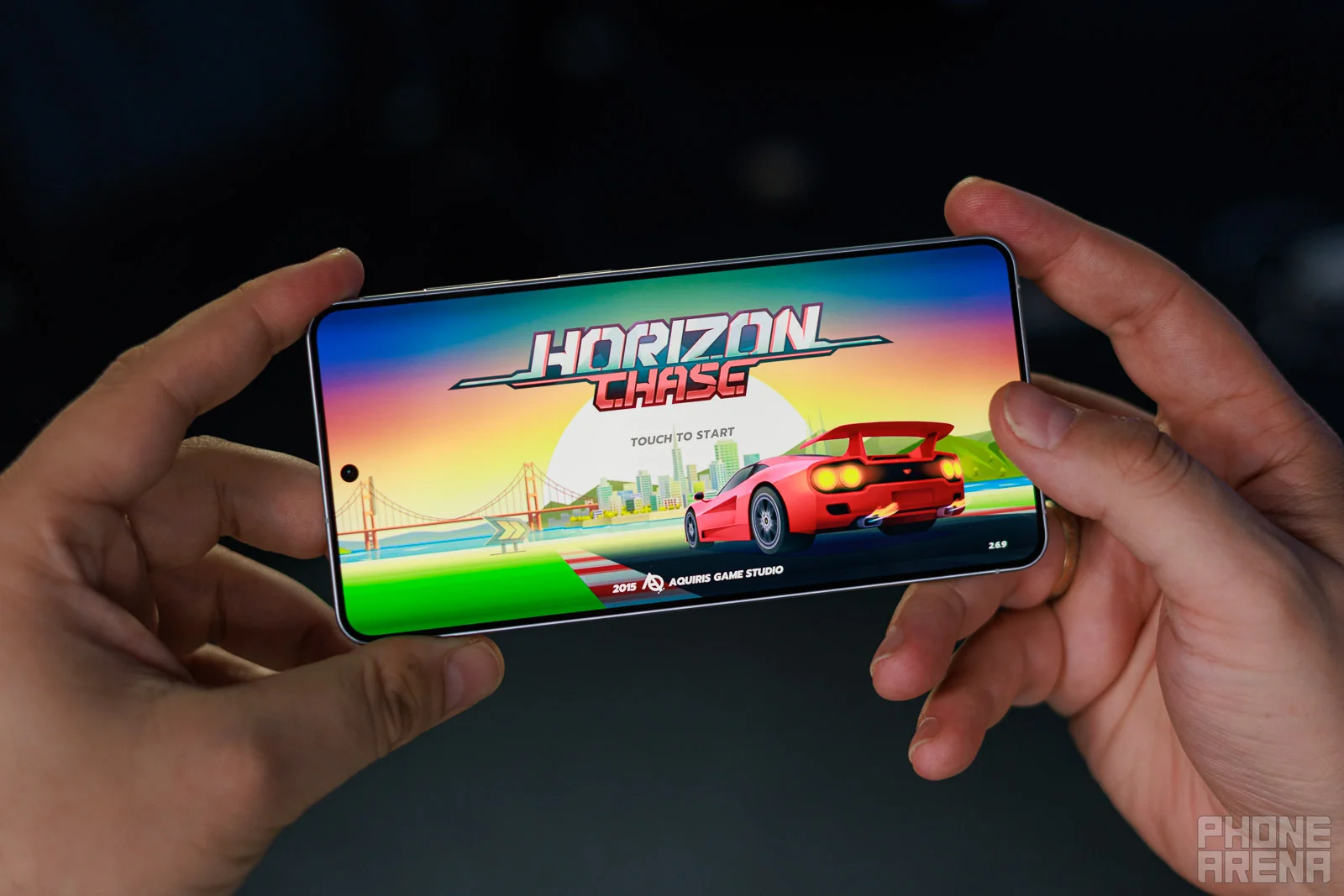
Will the Galaxy S27+ be more powerful than its predecessor? | Image by PhoneArena
If it can’t step back from the project, then the logical solution is to keep developing it. Taking risks is one of the best ways to ensure progress is happening, and I find myself looking forward to the Galaxy S27 more than I initially expected.
