

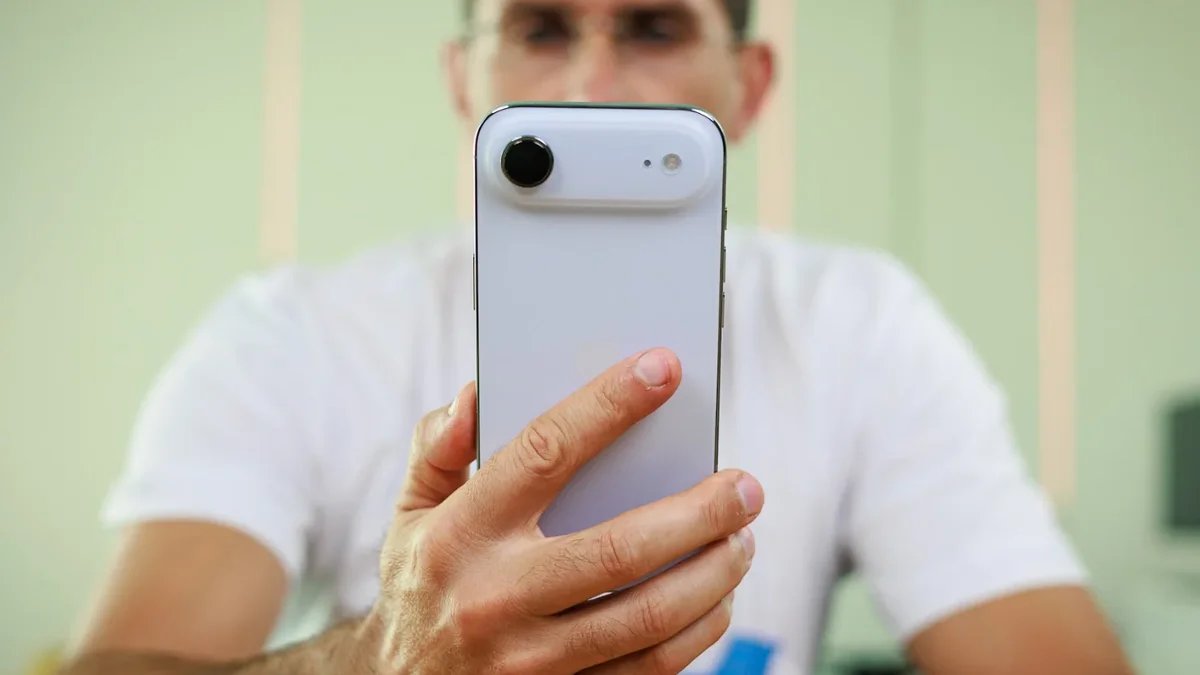
Burner phones aren’t like your iPhone 17 and nowhere near the Galaxy S26 Ultra. They are cheap, temporary devices that you use for a short time and then throw away or stop using. The big idea behind it is privacy: there’s no long-term contract or your real identity.
For that to happen, you need to pay in cash and if you’re asked for your email, don’t give it. Ask the rep to activate it for you.
The FCC doesn’t like that.
The new ways
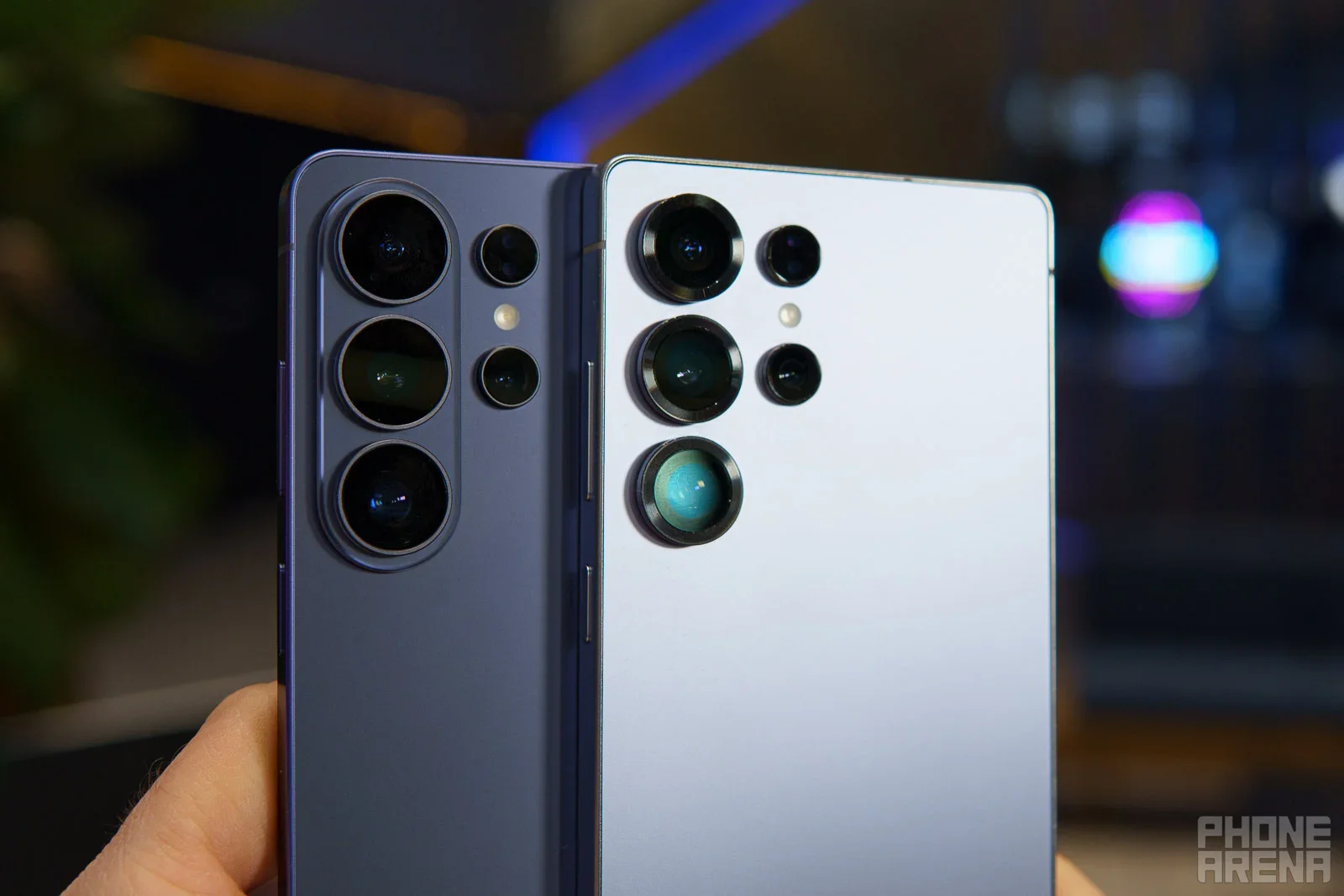
Will smartphones inherit the Earth? | Image by PhoneArena
Per the latest reports, the FCC wants telcos to gather much more information about who’s activating or renewing a mobile service.
The Federal Communications Commission says that’s the way to counter fraud and scams like robocalls and more.
What would they want?
Telcos might need to check and verify your:
- Name
- Physical address
- Government-issued ID number
- Alternate contact number
The Commission argues that if there are real-world identities in the mix, it would be far easier to investigate the bad guys.
Several digital rights groups, including the Center for Democracy & Technology, oppose the proposal, arguing that it would mainly affect law-abiding users while scammers could still find ways to bypass the rules with fake identification.
Critics also warn that forcing telecom providers to collect and store more personal data could increase privacy risks, especially given the industry’s history of major data breaches. They fear such databases would become even more valuable targets for cybercriminals.
On the upside
Besides the FCC, I think some environmentally friendly activists would be happy to see burner phones gone.
That’s because burner phones are, in essence, electronic waste and plastic pollution. These handsets are designed for short-term use and the majority end up discarded after only a few months, adding to the millions of phones thrown away each year.
Like other gadgets, they contain plastic chassis, batteries and components that are difficult to recycle properly. Especially if you toss them in the trash.
Should we burn the burner phones?
It’s a tough question, since burner phones remain important for certain groups of people. They can provide an extra layer of privacy for individuals who don’t want to share their primary phone number, such as journalists, activists, whistleblowers or victims of abuse.
In certain circumstances, keeping your identity private is crucial.
Of course, many people say burner phones are easily trackable any way, but let’s not go down the rabbit hole.
