

Apple’s new iPhone release schedule
According to reports, Apple is only going to launch the iPhone 18 Pro, the iPhone 18 Pro Max, and the new foldable iPhone Ultra later this year, likely in September. The base model iPhone 18 and the iPhone Air 2 are expected to come out around the same time as the iPhone 18e early next year.This new schedule was allegedly decided upon to help boost sales year-round and to also decrease the strain on the supply chain. Especially during the current turbulence surrounding memory components.
Android to follow suit?
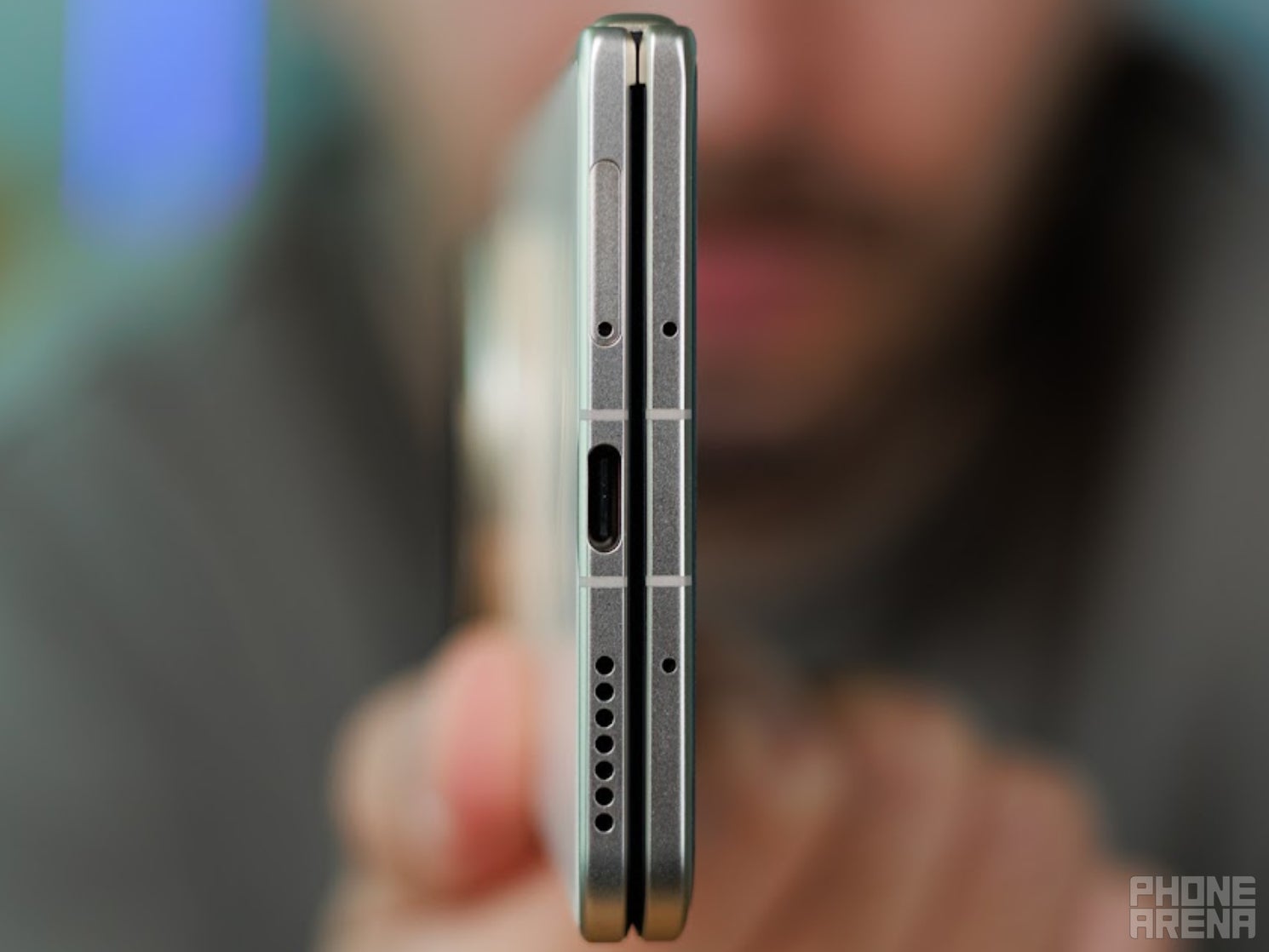
Flagship models like the Honor Magic V series foldables will likely come out in the fall. | Image by PhoneArena
According to a new report (translated source), Android phone manufacturers are considering following in Apple’s footsteps. This list of manufacturers likely does not include companies more popular in Western markets like Samsung, Google, Nothing, etc.
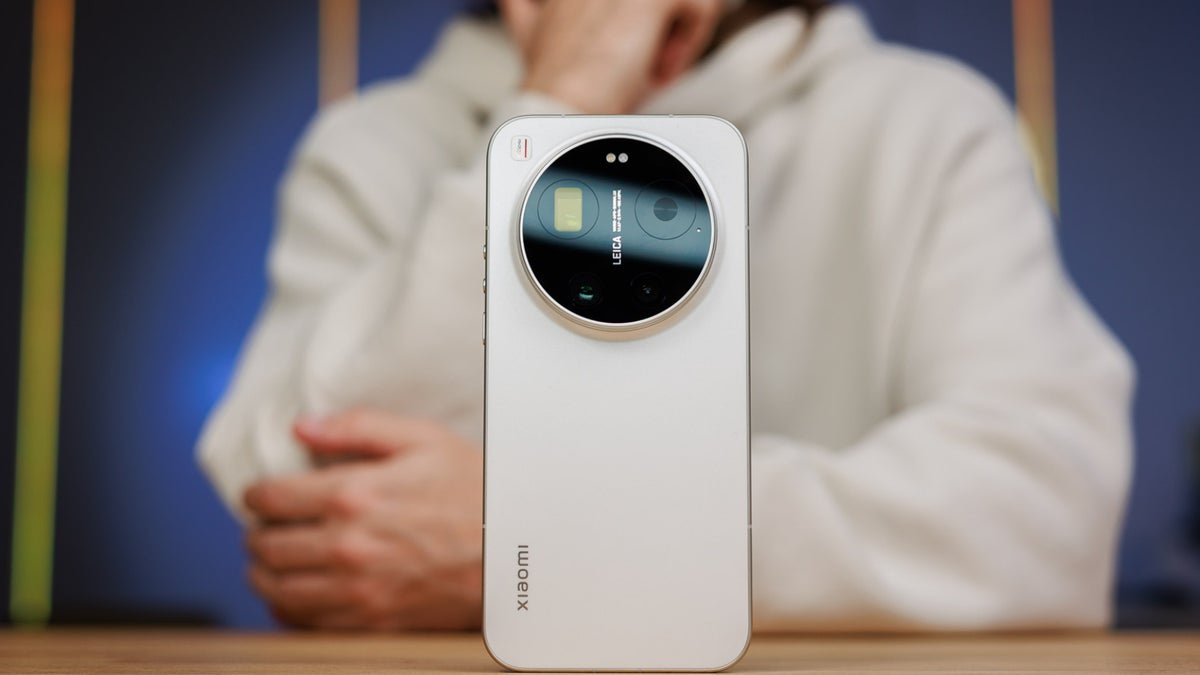
Chinese phone manufacturers — including Xiaomi, Oppo, Vivo, and Honor — might decide to split the release schedules of their smartphones moving forward.
But why?
Why would these companies decide to split the releases of their phones as well? Is it just because Apple is doing it and it has become a tradition to copy the iPhone in so many aspects? There are possibly two actual, rational reasons behind this move.This will increase competition against the iPhone. When Apple releases its Pro models, so will the Android camp, and when the more affordable iPhone models come out, so do Android equivalents.
It might also be possible that the Android phone manufacturers realized that this was a pretty smart way to decrease strain on the supply chain. And with a major player like Apple leading the way, they will face fewer hurdles adapting to this new schedule as well.
Go for it, I say
I don’t think that this new move can hurt the Android phones much. Most of these phones already see staggered releases, especially for the global market.
And if it means that Apple still faces year-round competition, then that’s a good thing for the end consumer.
