

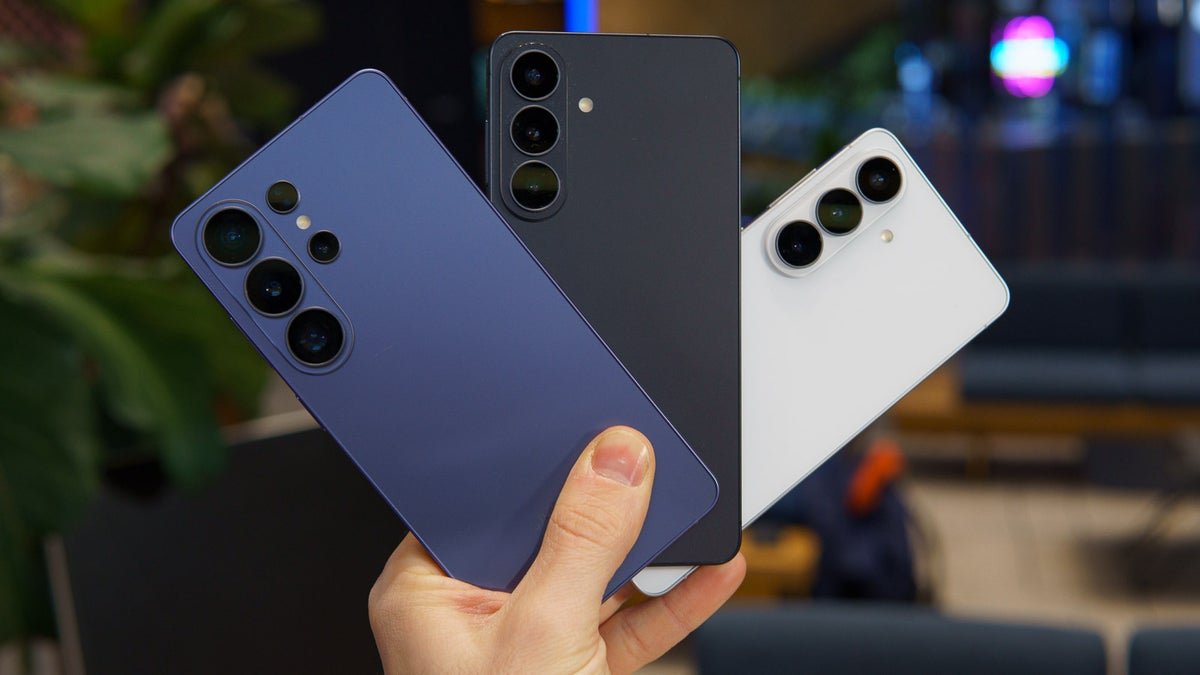
It’s safe to say that we’re almost at the Acceptance stage with the prospect of Samsung phones getting more expensive again.
True, we’re often in the Anger and Denial stages as well, but after many months of non-stop inflation, we’re coming to terms with reality.
in 2027 anyway. Just look at the current RAM and memory chip situation. Prices for components have been creeping upward for a while now, and these things rarely reverse overnight.
And yeah, the obvious reaction is to just buy the S26 Ultra now before things get worse. I get the logic. If someone tells you prices are about to skyrocket next year, common sense says you should lock yourself into today’s pricing while you still can.But I actually don’t think this applies to everybody, and I don’t think people should panic-buy flagship phones because of rumors about future increases.
Why wait?
It’s simple: the Galaxy S27 Ultra is still far away. We are talking many months from now, and a lot can change during that time. More importantly, if Samsung really does raise the price, the company will probably need to justify it with actual hardware improvements instead of just slapping a heftier price on the box and calling it a day.
Right now, the Galaxy S26 Ultra is good, but in my book, it doesn’t feel revolutionary compared to the Galaxy S25 Ultra. Samsung refined things, polished things, improved performance a bit – and that Privacy Display feature is cool only if you need it – but it still feels to be lagging a bit.
The battery situation especially feels overdue for change. We’ve been stuck around the same 5,000 mAh territory forever now while some Chinese brands are experimenting with 10,000 mAh silicon-carbon batteries and more aggressive charging tech.
What could get upgraded?
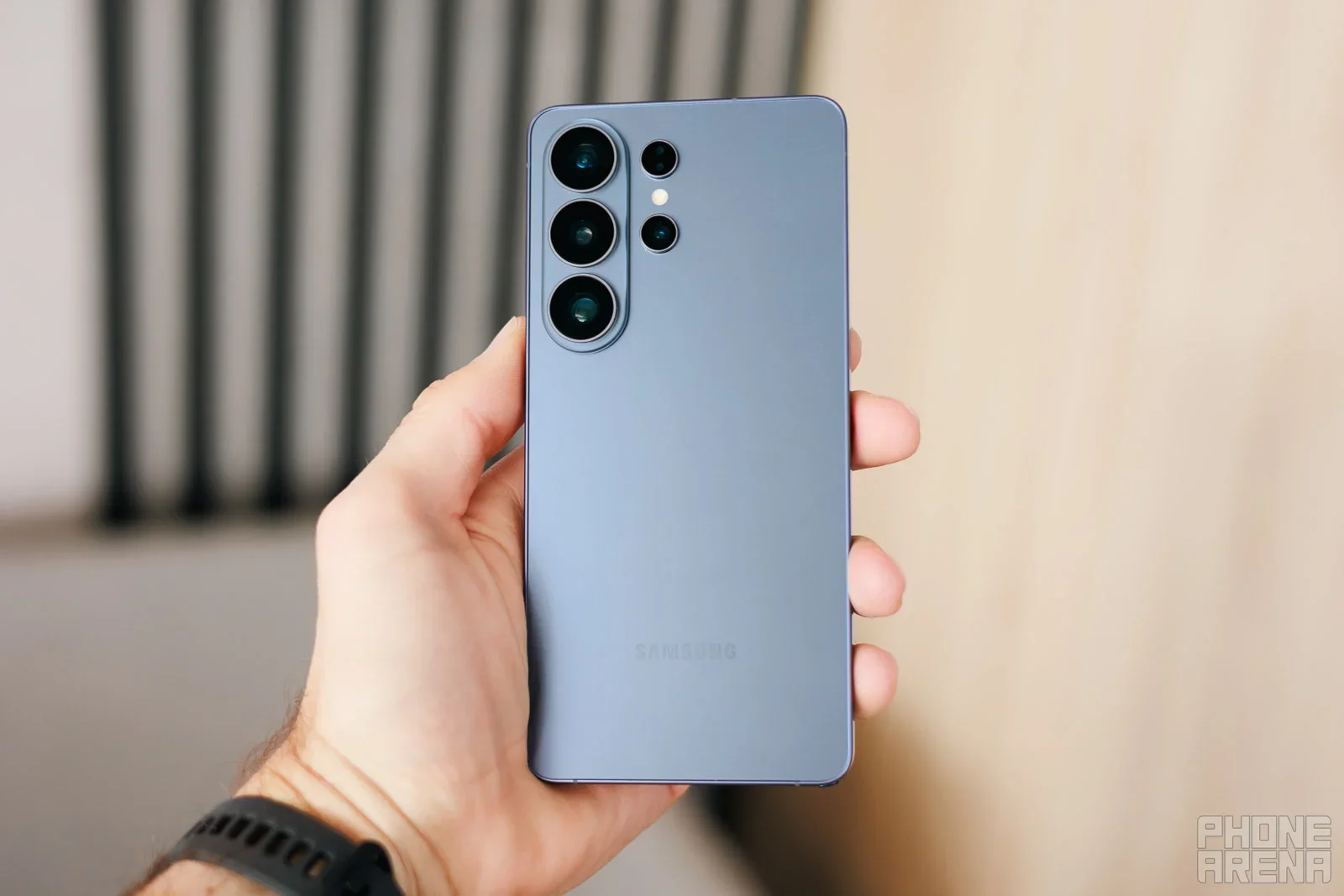
Galaxy phone for you, Galaxy phone for me. | Image by PhoneArena
If the Galaxy S27 Ultra costs more, maybe that extra money finally goes to the telephoto cameras. These snappers should get larger sensors instead of relying mostly on software tricks and AI cleanup.
Maybe we ought to finally get a real battery jump. Maybe charging speeds could improve in a meaningful way. Maybe cooling systems get better for gaming and sustained workloads. If I’m paying more, I at least want to feel like I’m holding a next-generation device instead of an S26 Ultra with slightly rounder corners and a new wallpaper pack.
Wait for it
There’s also another reason I think many people are perfectly fine waiting. A lot of users today already own solid phones from 2024 or 2025. If you have a Galaxy S24, S25, S26, or even one of Samsung’s better A-series devices, you’re probably not struggling.
Samsung has been pushing seven years of software support for the last couple of years, and that’s a massive deal. A 2024 flagship is absolutely capable of carrying somebody through 2026 and 2027 without becoming embarrassing or unusable. Yes, some of these phones will still feel respectable in 2028.
Of course, there are exceptions. Power users are a different story. Hardcore mobile gamers, people editing video on their phones, or simply tech-nerds with deep pockets will upgrade earlier for sure. No judgment there.
But for most people, patience still makes sense. Nobody actually knows what will happen in 2027 or 2028. These rumored hikes could shrink at the last minute or disappear entirely if market conditions improve. And if prices really do go up, then I think Samsung will eventually be forced to offer more substantial upgrades to justify them.
Are you sure about the price hikes?
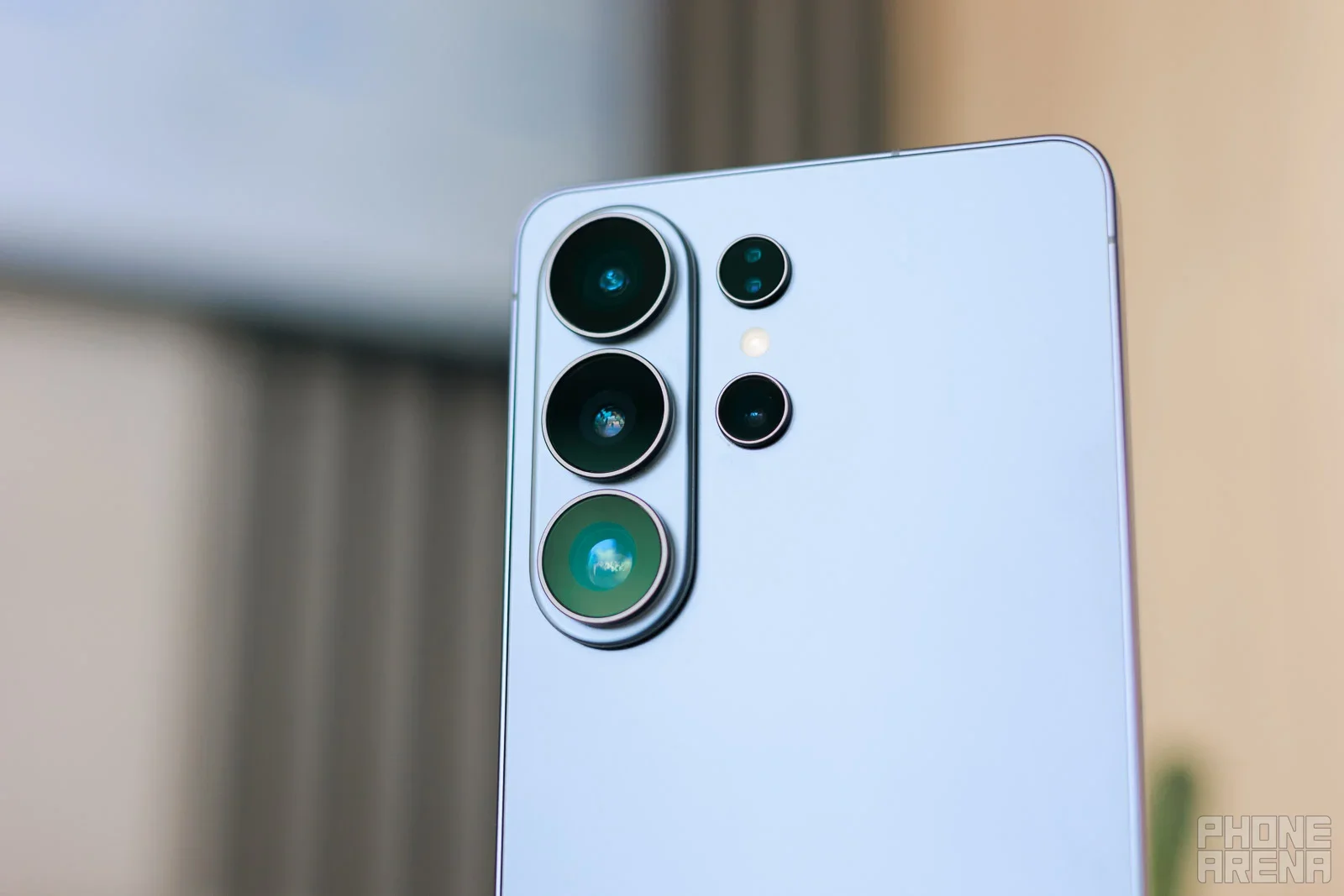
It’s a looker! | Image by PhoneArena
I have a personal theory about why Samsung is more likely to raise prices than not and I’d like to finish on that note.
Yeah, take this one with a bucket of salt. Recently, Samsung avoided what could have become the biggest strike in the company’s history (with more than 48,000 people potentially participating) after unionized workers pushed for a new pay system.
Reports suggested their demands were largely met after long negotiations.
Giant corporations usually don’t enjoy sacrificing profit margins out of kindness, even when faced with strike threats. Eventually, somebody pays for it.
And historically, that “somebody” often ends up being the one in the mirror.
