

What MediaTek just put on the table
MediaTek has officially launched the Dimensity 7500, a 4nm processor built for mid-range and budget phones. The big detail is that it brings Arm’s newest C1 CPU cores to cheaper handsets for the first time.Past budget chips were stuck on cores that felt ancient, so this is a real architectural jump.
What the Dimensity 7500 offers
MediaTek says those cores mean faster app switching and quicker installs. The more interesting part is what they expose about a pricier rival. Here are the specs it is working with:
- Octa-core CPU: four Arm C1-Pro cores at 2.6 GHz and four C1-Nano cores at 2 GHz
- Arm Mali-G625 MC2 GPU and an NPU 850 with about double the previous AI performance
- 5G up to 5.2 Gbps, Wi-Fi 6E, plus support for 200 MP cameras and 4K HDR capture
The part that should sting some flagship manufacturers
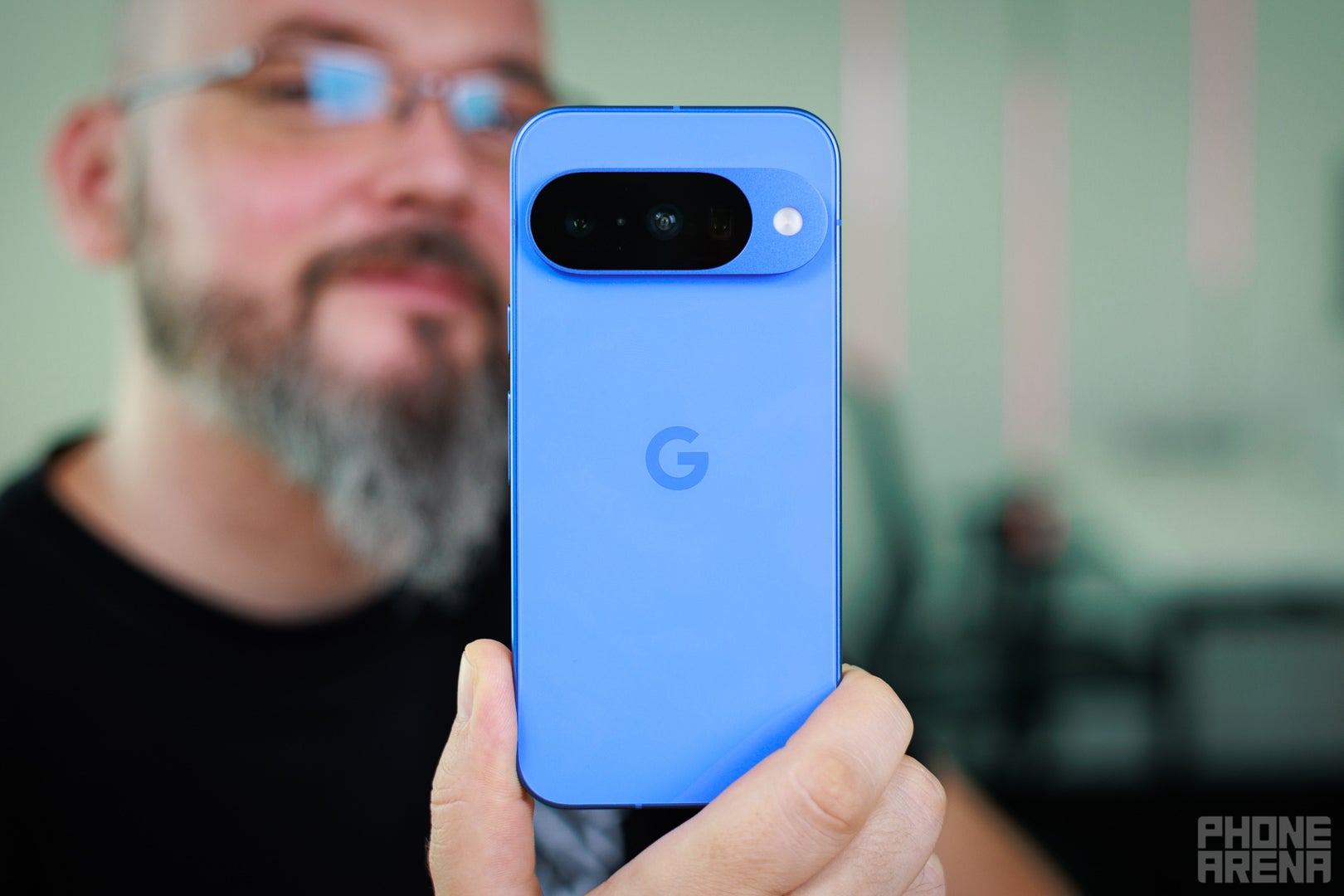
Image by PhoneArena
That budget chip uses newer CPU cores than even the Tensor G5 inside Google’s $800 Pixel 10. Google’s flagship silicon still leans on 2024-era Cortex-X4, A725 and A520 cores, while MediaTek has moved on to Arm’s fresher C1 lineup.
This isn’t a Pixel killer, to be clear. The Tensor G5’s high-clocked Cortex-X4 still wins single-core bursts, and its GPU stays well beyond a budget part’s reach.
Even so, the optics are rough. Our Pixel 10 review clocked the Tensor G5 around 30% behind the Galaxy S25 in single-core performance, and now a sub-$400 chip runs more modern architecture than it.
Why this matters for your next budget phone
For phone buyers, this is a win. Phones under $400 should technically feel noticeably snappier, with better efficiency than recent budget waves managed.
MediaTek’s last mid-range effort, the Dimensity 7400 line, leaned on aging Cortex-A78 cores. The jump to Arm’s C1 cores here is a genuine upgrade for the price.
It also reframes Google’s chip problem. When a budget tier catches a flagship on core design, this stops being just a Snapdragon conversation.
Cheap silicon, expensive lesson
None of this turns the Dimensity 7500 into a flagship beater, and it was never built to be. But there’s something awkward about a cheap-phone chip using newer Arm cores than a flagship costing twice as much.
I daily a Pixel 10 Pro Fold, and the Tensor G5 handles everyday tasks just fine. The catch is that “fine” is a strange ceiling for premium silicon, and if Google wants Tensor to feel truly flagship, the AI party tricks won’t carry it forever.
Want more takes as the chip wars heat up? Find me on X and Threads, I’m always down to talk Pixel, Android and whatever’s next.
