

The same duopoly we’re familiar with in the US smartphone market is present here as well, but the roles are swapped. Samsung is the top-selling smartphone brand in Europe for Q1 2026 and by some margin.
The Korean company managed to move 12.6 million smartphones in Q1 2026, holding 38% of the market. Samsung also registered a 3% growth, so the company is really doing well in the European market.
Apple is a distant second with 26% market share and a total of 8.8 million devices shipped. Nevertheless, people in Europe are buying more iPhones, as Apple actually managed a higher growth than its big rival — 8% year over year.
Xiaomi is third but losing ground in Europe
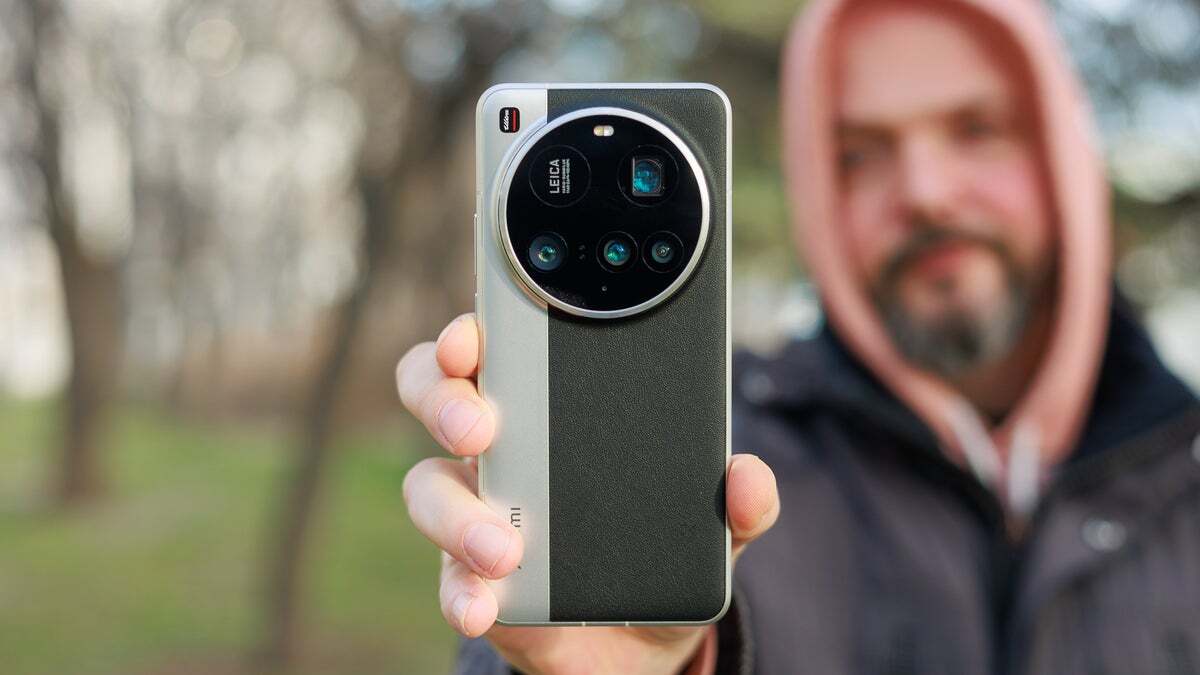
Xiaomi is losing ground, probably because it’s shifting to ultra-premium models | Image by PhoneArena
Things start looking very different from third place onward. Xiaomi gets the bronze medal in Europe with 4.5 million devices shipped in Q1 2026. The brand practically doesn’t exist in the US but claimed 14% of the market in Europe.
The stats include the sub-brands of the company Redmi and Poco, so that’s one thing to keep in mind.
However, it’s the sole top 5 brand that registered a decline in shipments compared to last year, a whopping 15%. The lost market share probably went to Motorola.
Motorola is fourth, but it’s the fastest-growing brand in Europe
Motorola did a great job in the first quarter of the year, moving 1.9 million devices to European customers. It’s the fastest-growing brand on the Old Continent, with a 17% increase in shipments from the same period last year.
The top 5 is rounded up by the unexpected presence of OPPO with 1.3 million devices shipped, 4% market share and 9% growth. It’s worth noting that just like Xiaomi, OPPO stats include Realme and OnePlus.
Why the discrepancy with the US market?
In the US, Apple is untouchable, and the reasons are complex | Image by PhoneArena
In the US Apple finds itself on top, holding around 60% of the market share, while Samsung number varries between 20 and 24%.
The big difference has something to do with the strong carrier support in the US that Apple has, especially compared to Europe, where trade-in deals are quite different (most of the time non-existent), and carriers don’t subsidize Apple purchases the same way this happens in the US.
Meanwhile, the European market is much more saturated by Chinese brands, which offer a wide variety of budget devices, diluting the market share and stealing significant chunks from the big two — Apple and Samsung.
