

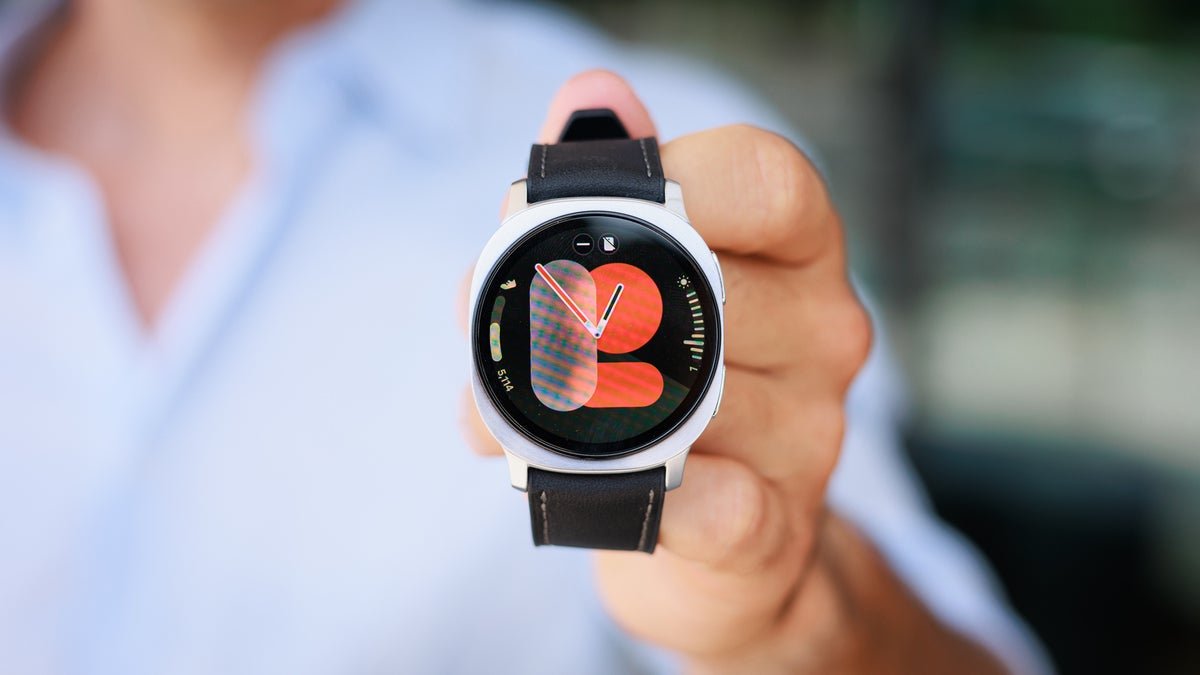
What Samsung and Mass General are testing
Samsung has announced a six-month clinical study with the Massachusetts General Hospital Diabetes Research Center, built around the Galaxy Watch 8. It will test whether a smartwatch can track and help manage muscle loss in adults starting GLP-1 medications, the class that includes Ozempic and Mounjaro.The study takes 100 adults and splits them in two. One group uses the Galaxy Watch 8 to track body composition (via Bioelectric Impedance Analysis, or BIA), activity and heart rate, plus tailored exercise guidance.
The other gets standard care. Researchers then check the watch’s numbers against clinical-grade DXA scans, the gold standard for measuring fat and muscle.
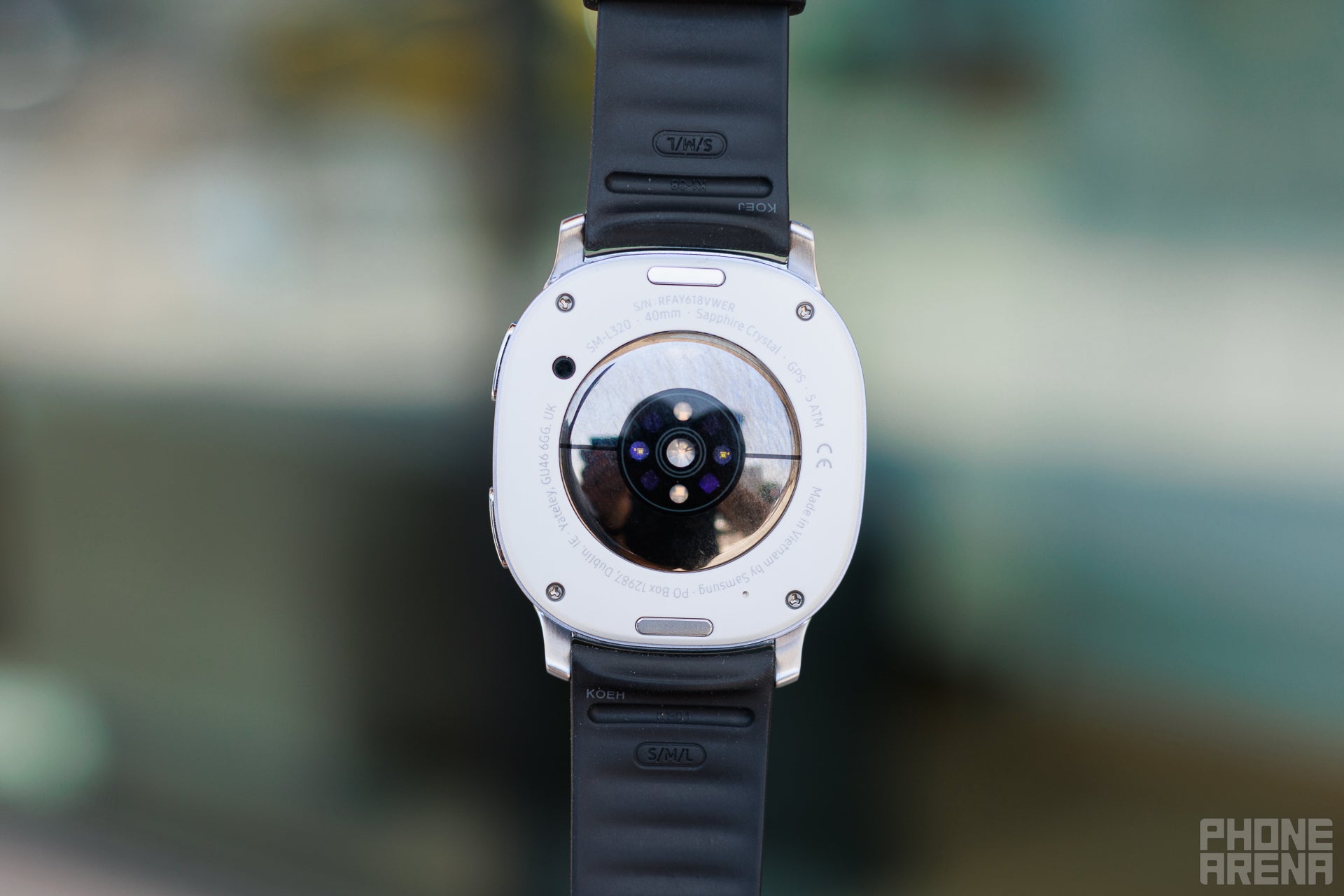
Samsung Galaxy Watch 8 sensors. | Image by PhoneArena
The side effect nobody puts on the poster
It is widely known that GLP-1 drugs were built for Type 2 diabetes, but have for some time now exploded as weight-loss treatments. Samsung notes that nearly one in five US adults has taken one.
However, the appetite suppression behind the weight loss can also strip away muscle, not just fat. That hits strength and mobility, and in serious cases it can strain organs like the heart and kidneys.
Tracking weight is easy. Tracking what kind of weight you are losing is the harder question, and that is the gap Samsung is going after.
Why this is bigger than one smartwatch
Body composition is the whole game here, and it is something Samsung’s rivals cannot match on the wrist. Neither the Apple Watch nor the Pixel Watch with Fitbit offers on-device BIA, the exact metric this study leans on.That hands Samsung a story its rivals cannot tell yet: not more sensors, but a teaching hospital running a trial on its watch. In our Galaxy Watch 8 review we found a design that grows on you while flagging that “the price hike is unjustified,” and clinical credibility is exactly what could justify the ask.
It should be noted that a wrist reading is not a DXA scan, and a 100-person study is just a starting line. But if it works, Samsung can sell the Watch as a medical tool, not a fitness gadget.
We’re interested in exploring how data from a wearable like the Galaxy Watch can provide invaluable insights into a patient’s activity levels, heart rate, and body composition, giving clinicians a more holistic view of treatment impact and allowing for more timely, data-driven adjustments to their care plan.
— Dr. Putman, Director of the MGH Diabetes Research.
From the other side of the fence
I’ll be upfront: I have never worn a Galaxy Watch, so I won’t give opinions on the hardware. I live in the Google and Fitbit corner of this world, which is exactly why this caught my eye.
Samsung is marching into hospital partnerships while my Pixel Watch and Google Health still mostly coach me on sleep and readiness. If GLP-1 patients become a core wearable audience, and they might, the company with the clinical receipts wins that room.
So no, I am not switching wrists over a feasibility study. But if Samsung ships this before Google does, I would struggle to argue my side of the fence is the smart place to stand.
Want more of my takes on where wearables are heading, plus the occasional rant from the Pixel side of the fence? Come find me on X and Threads.
