

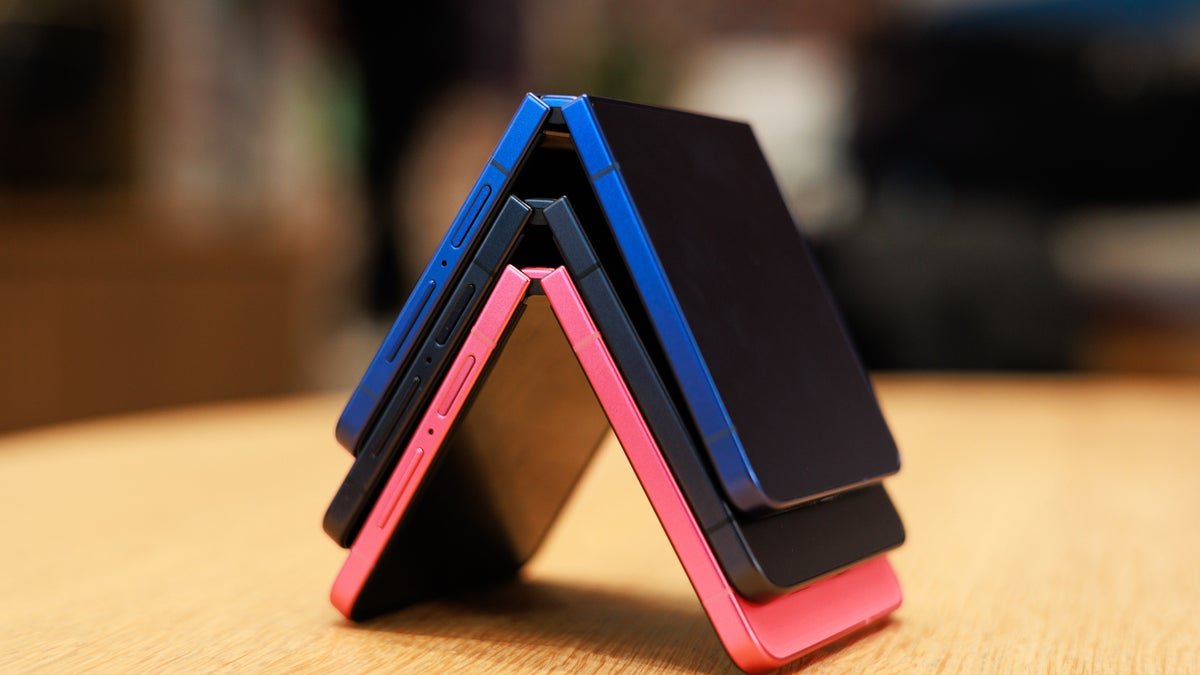
Meanwhile, Huawei is second in the global market despite all the limitations that make its phones a viable option only for users in China. The reason for that success certainly has to do with the national pride of Chinese consumers, but it’s also powered by the excellent hardware the company offers.
Instead of killing it altogether, Samsung should take a deep look at the Galaxy Z Flip line and the wider clamshell foldables market and introduce some long-overdue changes. Winning by being available is not an option anymore, but checking your competitors’ homework is something all smartphone companies are good at, and it can yield the desired result.
The problem with the Galaxy Z Flip series
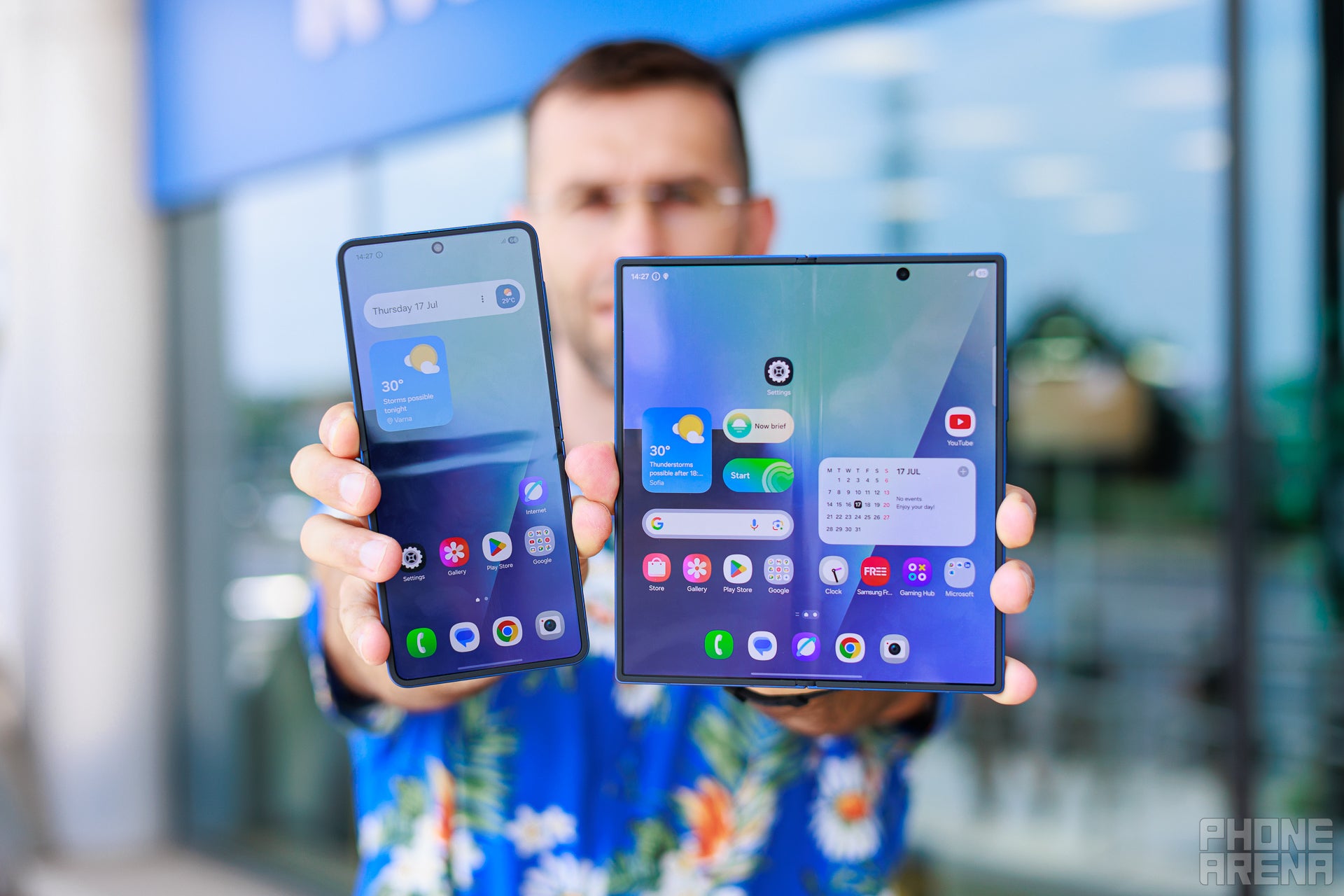
The Galaxy Z Fold 7 is better than the Z Flip 7 in every aspect. | Image by PhoneArena
This deep look into the issues of the Z Flip series should start with the specs. While the Galaxy Z Fold devices have consistently carried Samsung’s best technology, the flip models always felt like an afterthought. Priced like flagships, these phones have never offered the best cameras, batteries, or performance on the market.
Instead of perfecting the hardware, Samsung decided to turn its flip phones into fashion accessories for people who want to live in a Y2K fantasy and carry a supposedly fancy gadget around. This isn’t necessarily a bad idea, but even these “fashion-forward” people often prefer to get an iPhone or a flagship Galaxy S.
This happens for two reasons. First, Apple devices are still considered cool and trendy status symbols, and even the latest Galaxy S26 Ultra came with more clout than the Galaxy Z Flip 7. Second, even less tech-savvy influencers can see that the Z Flip has subpar camera and battery life, which is detrimental to their user experience and sometimes their jobs.
It may sound shallow, but I haven’t seen a celebrity outside of South Korea using a Galaxy Z Flip without partnering with Samsung. Meanwhile, many influencers carry Galaxy S Ultras and iPhones around for free.
To put it simply, the flip member of the Galaxy Z family is not working as a fashion accessory, nor is it an outstanding smartphone on its own, despite the flagship price. Meanwhile, its book-style cousin sports top-tier hardware and features that normal phones just don’t have.
Samsung needs to rethink what a flip foldable is
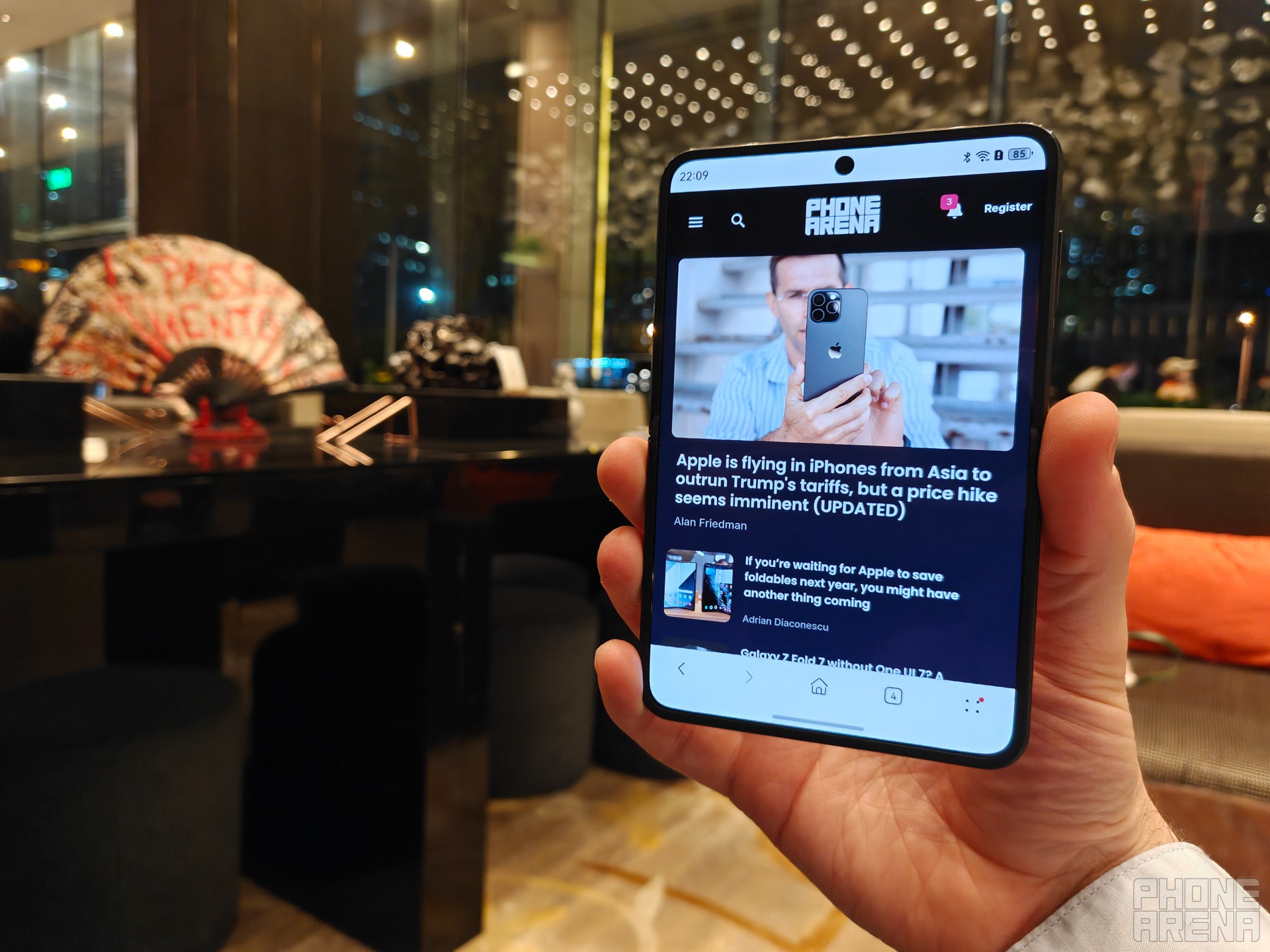
Huawei Pura X comes with wonderful ideas about flip phones. | Image by PhoneArena
Two things could turn the Galaxy Z Flip 9 into a phone everyone wants: special features that other phones don’t have and top-tier specs that can compete with the Galaxy S Ultra or iPhone Pro.On the features side, Huawei has already rethought the form factor with the wonderful Pura X. Instead of opening into another tall phone, this one opens horizontally. That makes it better for watching videos and gives an entirely different user experience.
In fact, this form factor has such great potential that Huawei has launched the Pura X Max, which is a book-style version of the idea. Apple is also expected to make its first foldable iPhone unfold into a wider screen, with Samsung expected to borrow the idea with the Galaxy Z Fold 8 Wide.
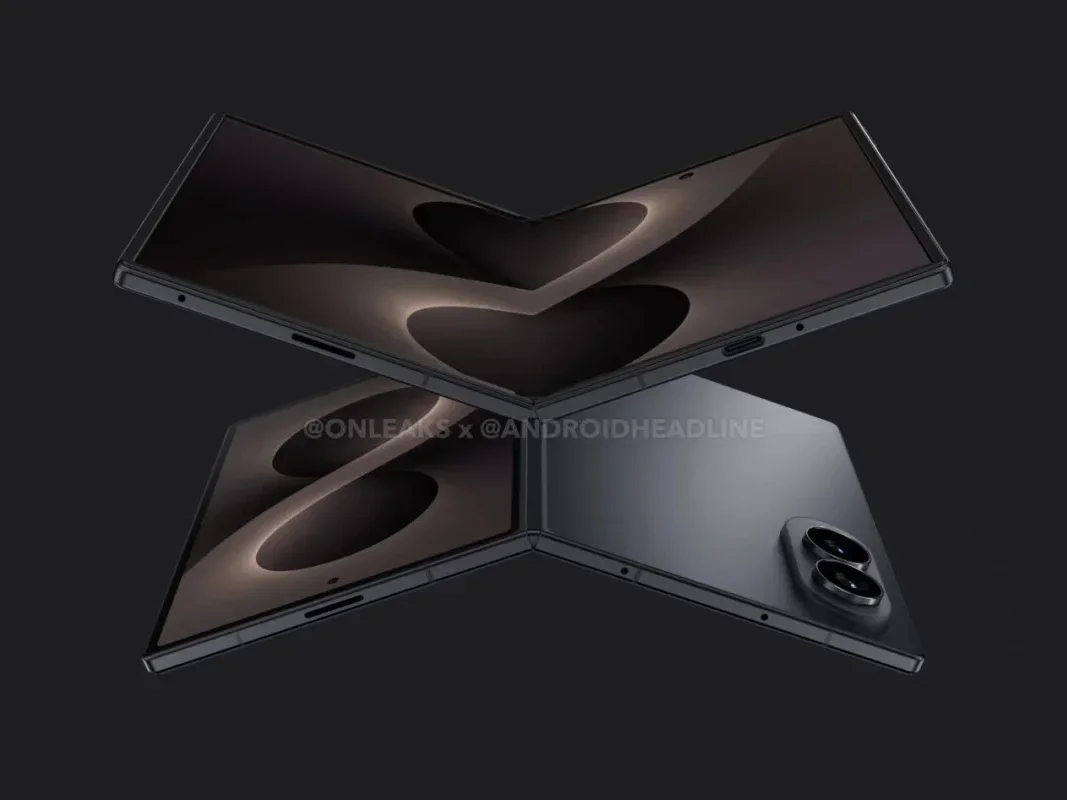
Samsung already seems to be borrowing from somewhere with the rumored Galaxy Z Fold 8 Wide. | Image by Android Headlines
After borrowing the design, Samsung should pack the Z Flip 9 with specs comparable to the Galaxy Z Fold and Galaxy S Ultra models. Give it the best chipset, the 200MP main camera, and several form-factor-specific features. Launch it in fun colors, and people may start buying.
Great phones sell well
Samsung should already know that the right path to success is to launch excellent devices. The Galaxy Z Fold 7 turned into a giant hit because it finally had the thin chassis and great design its competitors were offering for a while.As cool as foldables are, they’re still extremely unpopular, and even Apple’s entry to the space is unlikely to change that anytime soon. Despite the healthy growth they recorded last year, foldables still accounted for only 1.6% of the global smartphone shipments in 2025.
Seeing the pioneer of foldables calling it quits would be bad for the market but also extremely disappointing. Samsung is uniquely positioned to dominate the space only if it finally learns its lessons from the Z Fold series, which is that great phones sell well, while canceled phones don’t sell at all.
