

The 180-day compromise
The FCC and major carriers have argued that a 60-day unlocking window isn’t enough time to sniff out fraud, black-market schemes, and smugglers. While SpaceX acknowledges the fraud risk, it argues that current, overly restrictive unlocking rules are stifling competition and trapping customers.
The coalition is petitioning for a 180-day unlocking limit, which it deems enough to weed out bad actors without punishing regular customers.
Prioritizing customers over corporate profits
The coalition’s letter implores the FCC to put customers’ needs ahead of Big Three bottom lines. They view current unlocking policies as a thinly veiled ploy to stop customers from switching to cheaper rivals.
Households overspend by more than $1,200 annually on phone service, despite the same service being available at cheaper rates from competing providers.
By using locked devices as a lever, carriers lose the incentive to earn their customers’ loyalty. More egregiously, in some instances, devices stay locked even after customers have paid for them in full.
Unlocking policies
SpaceX has referenced T-Mobile and Verizon‘s unlocking policies in the filing.
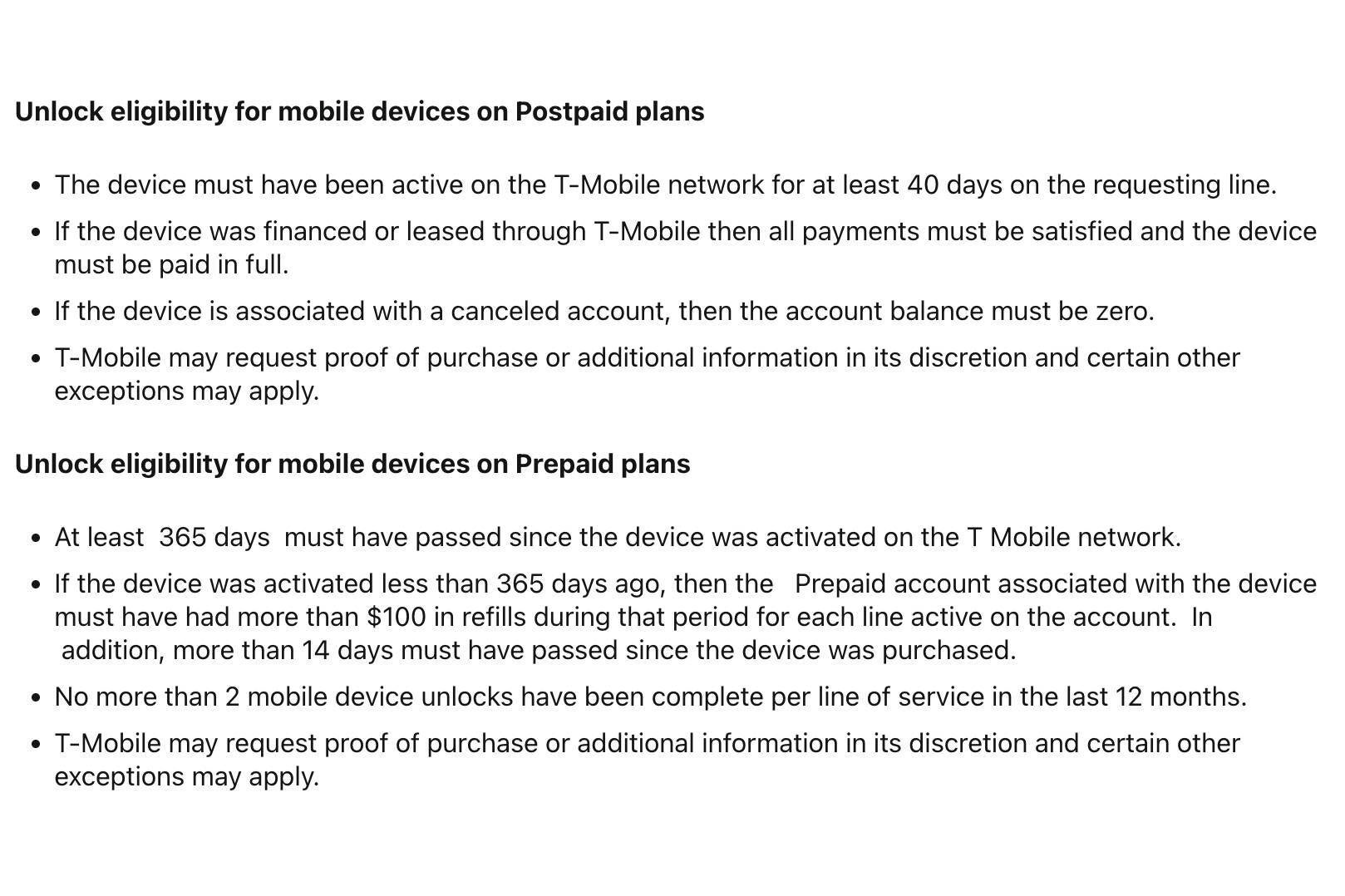
T-Mobile’s unlocking policies. | Image by T-Mobile
T-Mobile requires prepaid devices to have been active on its network for at least 365 days before they are eligible for unlocking. For a shorter unlocking period, at least 14 days should have elapsed since the purchase, and the customer must have spent more than $100 on service. The carrier doesn’t let more than two devices on a prepaid account be unlocked within a year.
For postpaid devices, the device must have been used on T-Mobile‘s network for at least 40 days, and there must be no outstanding balance on it.
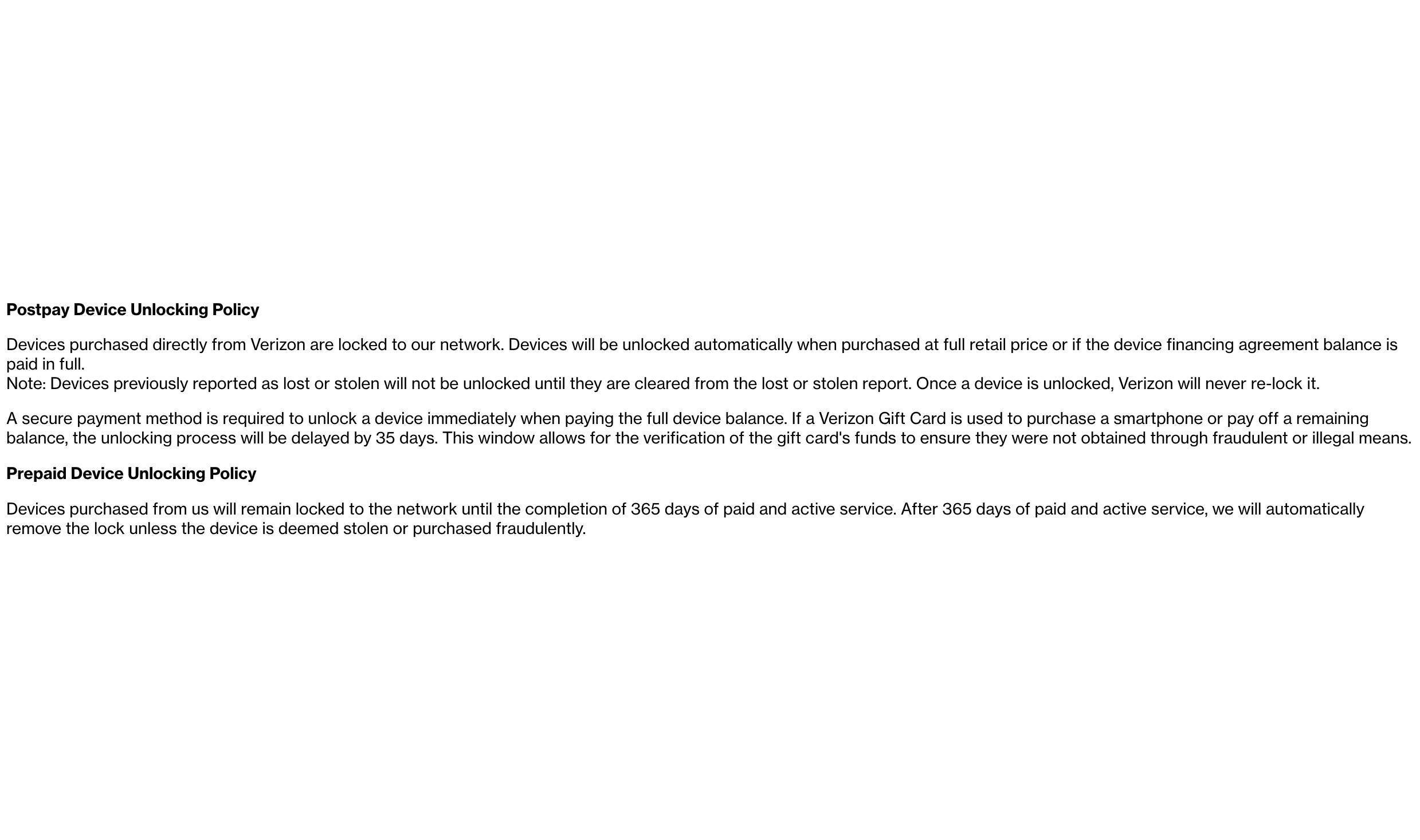
Verizon unlocking policies. | Image by Verizon
Verizon unlocks prepaid devices after 365 days and postpaid devices after all installments have been paid, though the use of gift cards delays the process by 35 days.
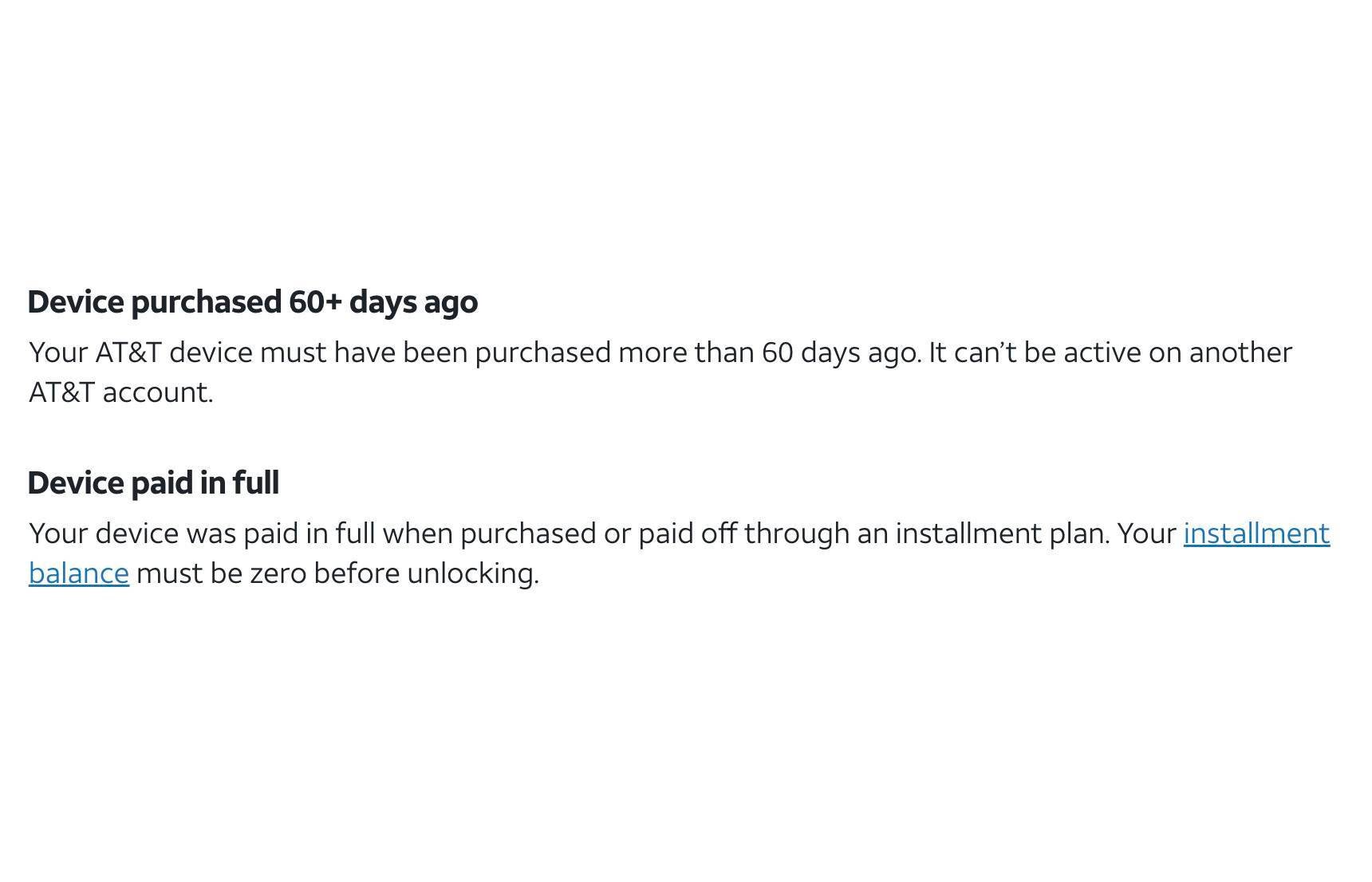
AT&T unlocking policies. | Image by AT&T
AT&T untethers prepaid phones after six months of service, and postpaid phones 60 days after activation, provided they are paid off.
The carrier defense
The Big Three have vehemently opposed shorter unlocking windows in the past. They argue that these lock-in periods allow them to keep giving out the subsidies that let customers purchase devices at discounted rates.
With smartphone prices creeping up due to the memory crunch, carrier subsidies are a major driver of the smartphone market. SpaceX might have a tough time arguing against that.
