


That’s why the state of Vermont is actually suing Meta for addicting kids to Instagram – one of the most popular apps ever that’s virtually on all iPhones and Galaxies out there.
The rejected bid
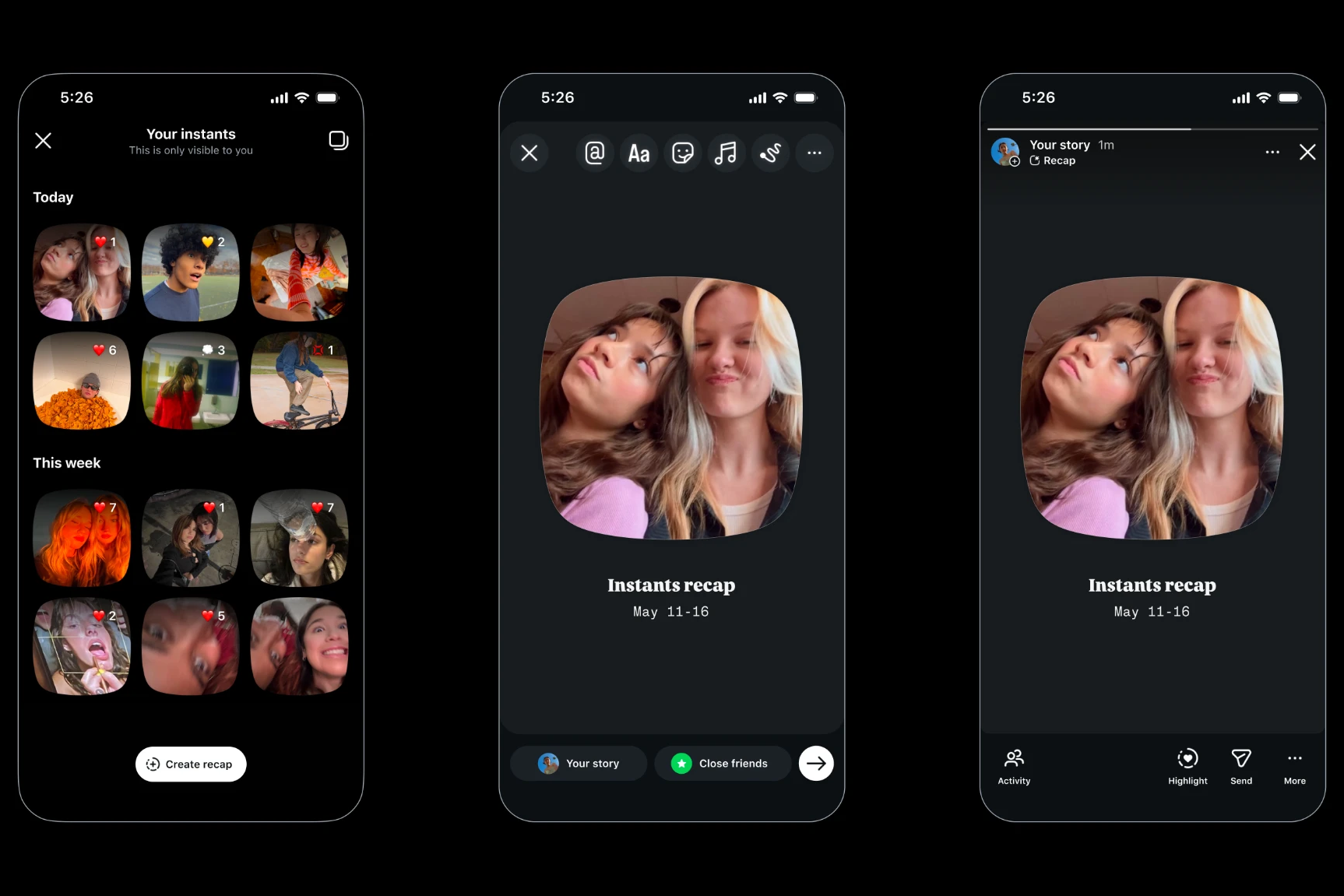
Instagram recently launched the Instants feature. | Image by Meta
What’s more, the US Supreme Court has rejected Meta’s bid to dismiss the lawsuit from Vermont’s attorney general.
This means that the Supreme Court is allowing the state to sue the company for allegedly designing Instagram to be addictive to teens.
Zuckerberg’s company tried to argue that Vermont lacked proper jurisdiction, but the state successfully maintained that the tech giant purposefully went on to “exploit teenagers’ developing brains” for money.
The allegations are piling
Vermont’s actions are the latest episode of a massive, nationwide wave of litigation from states, schools and individuals targeting tech companies over youth mental health and platform safety.
Meta faces mounting legal pressure after recently losing similar battles, including a $375 million penalty in New Mexico and a negligence verdict in Los Angeles.
Addictive and harmful as smoking?
Meanwhile, numerous British doctors have united in warning that excessive social media and screen time pose a danger to children comparable to… smoking.
A recent survey revealed that most of these clinicians regularly witness tech-related harms, which range from severe mental health impacts to physical injuries.
In response to these growing concerns, the UK government is actively consulting on strict new measures, including a potential ban on social media for children under 16.
The fine line
Social media overdosing is bad, I get it. App abuse is even worse for kids, no doubt about it. But I don’t buy the outright ban and especially the “national security” argument, either.
Since TikTok was sold to a US-based party, people were immediately cut off from a particular socio-political topic and it’s nowhere to be seen anymore.
That being said, I tend to support such lawsuits like Vermont’s – I also see these platforms as being crafted with addiction in mind. Maybe, after a couple of hundred million dollars in fines, these companies will improve them. Or, since they pocket billions of dollars in ad profit, they won’t.
