

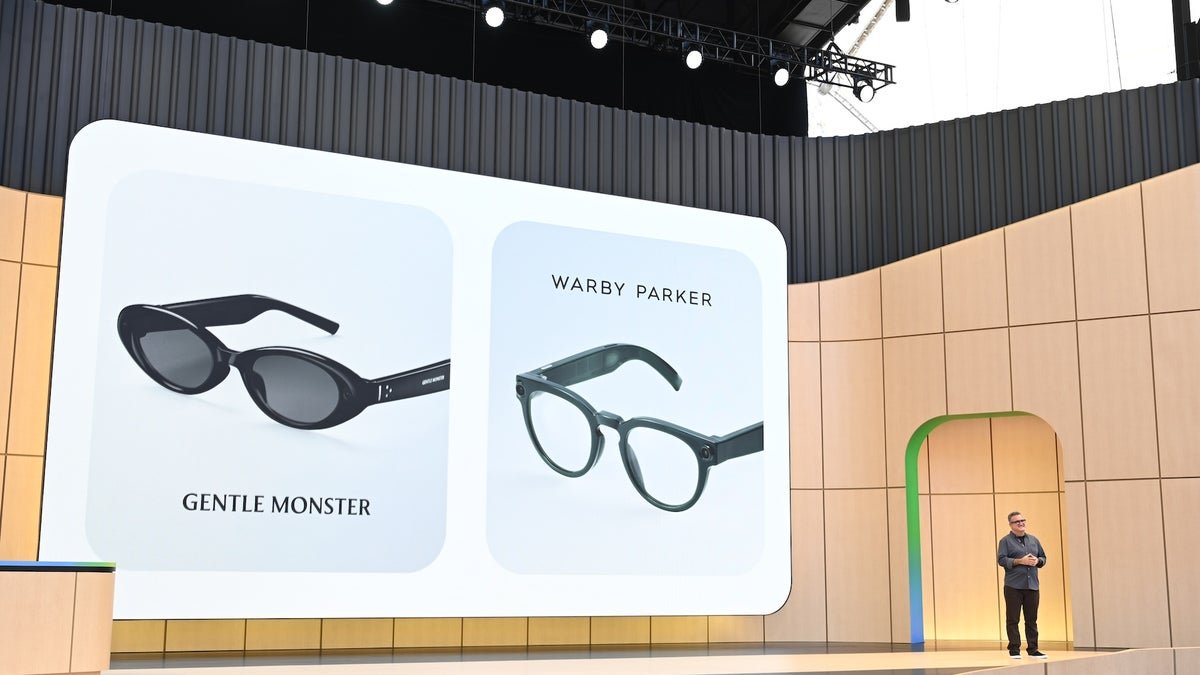
Google and Samsung’s Android XR are forecast to sell very well
Google may need to prepare for some good news for its Android XR glasses, according to a Smart Analytics Global (SAG) forecast. The analysts expect that the smart glasses made in partnership with Samsung could sell as many as 2 million units in 2026 alone.Such a result would quickly propel Google to the second position in the AI-powered smart glasses market. While Meta is expected to keep its leading position, Google could overtake the rest of the market, including companies such as Xiaomi, Huawei, Rokid, and Xreal.
Meta is the undisputed leader, but it’s under pressure
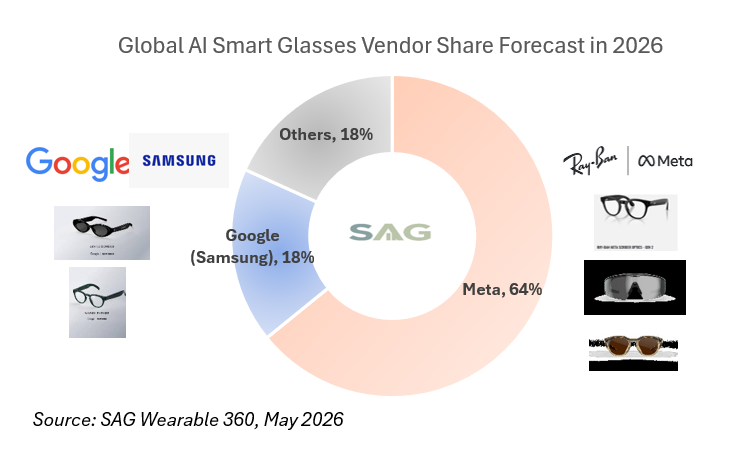
This is how the AI smart glasses may look in 2026. | Image by SAG
Google will certainly be happy if this prediction comes true, but that would still give it only 18% market share. Meta is expected to remain on top with 64% market share in 2026, but that could change quickly.
It took Meta about 18 months to reach 2 million sales for its first Ray-Ban glasses, while Google and Samsung may reach the same number in only a few months. However, Meta reportedly sold 7 million units only in 2025, which speaks of great momentum for its growing portfolio.
Nothing’s guaranteed yet
As positive as those forecasts may sound for Google and Samsung, they’re dependent on some conditions. First, the SAG assumes that the companies won’t suffer from major supply constraints and won’t delay the launch of their glasses.
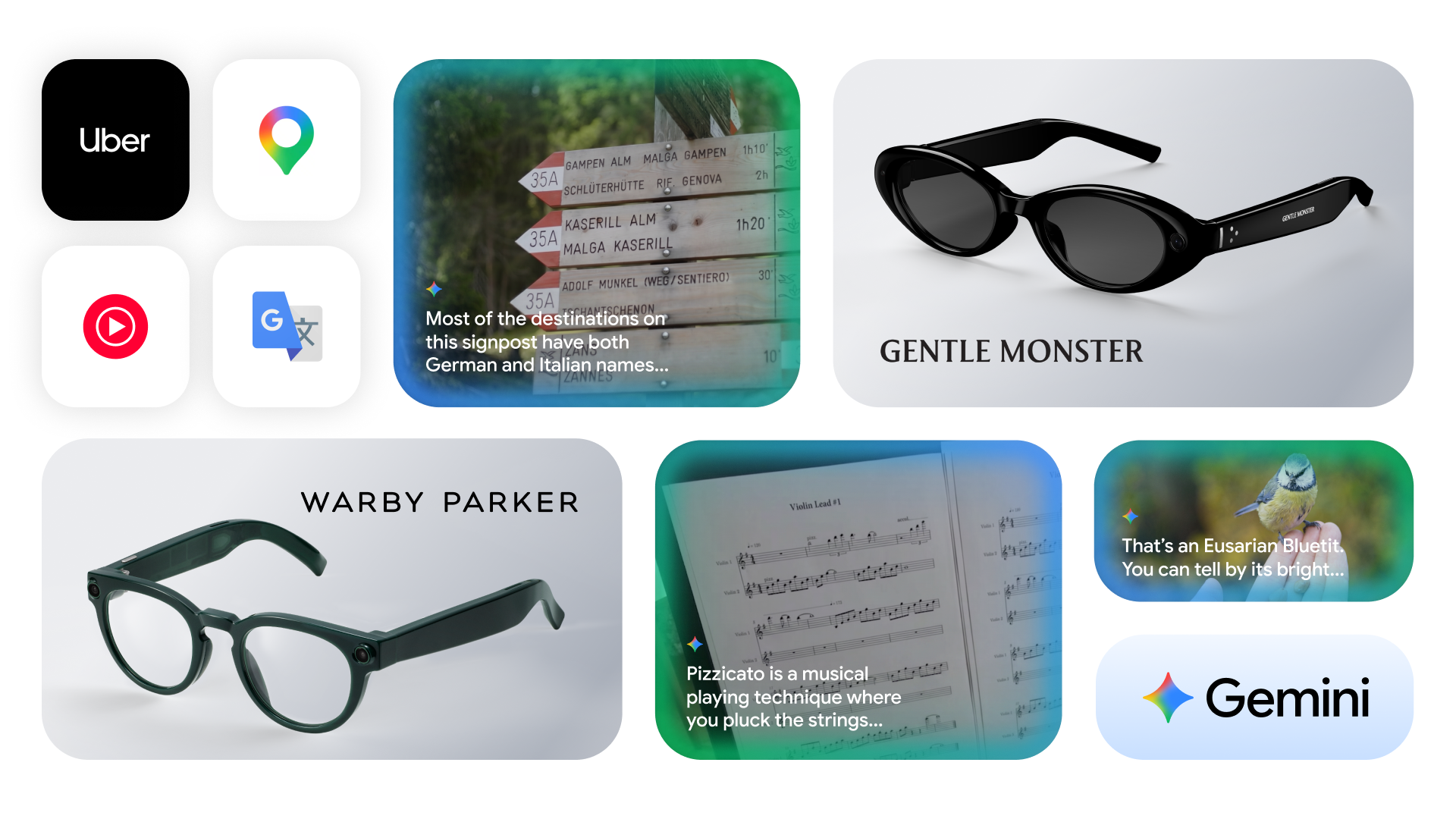
The Android XR glasses will rely on Gemini for their AI features. | Image by Google
Second, the analysts have made their forecast with the presumption that the new glasses would launch “under a reasonable price tag.” Google didn’t share any details about the price and the spec sheet of the devices, nor a launch date more specific than “this fall.”
One more detail that could be detrimental to the success of the Android XR glasses is their availability. Even without supply chain constraints, Google will launch them in “select markets,” which could block even the most excited potential buyers.
Is this the future of tech?
Our love-hate relationship with smartphones could be solved by a new type of device that is less addictive but equally easy to use when you need it. I’m not convinced AI can do everything we’ve been promised well enough yet, but I’m excited to join the experiment.
We’ll also need to solve the privacy issue that comes with people constantly having an AI-connected camera on their face. Seeing how social media and smartphones developed, that could feel like a non-issue if these gadgets turn out to be useful and fun to use, which is what I’ll be looking for.
