

Pricey and unnecessary
Meanwhile, 20% believed the service was overrated, and 13% are holding out for their own carrier to roll out the feature.
Double what users want to pay
Who said a service is only as compelling as the demand for it? I did, duh.
As futuristic and cool as the direct-to-device tech sounds, it’s just not enticing enough for the average customer to cough up more than $5 for it. Besides, carriers already do a good job of keeping their customers connected 97% of the time, so there aren’t going to be many instances where you will find yourself hunting for a satellite.
Much ado about nothing?
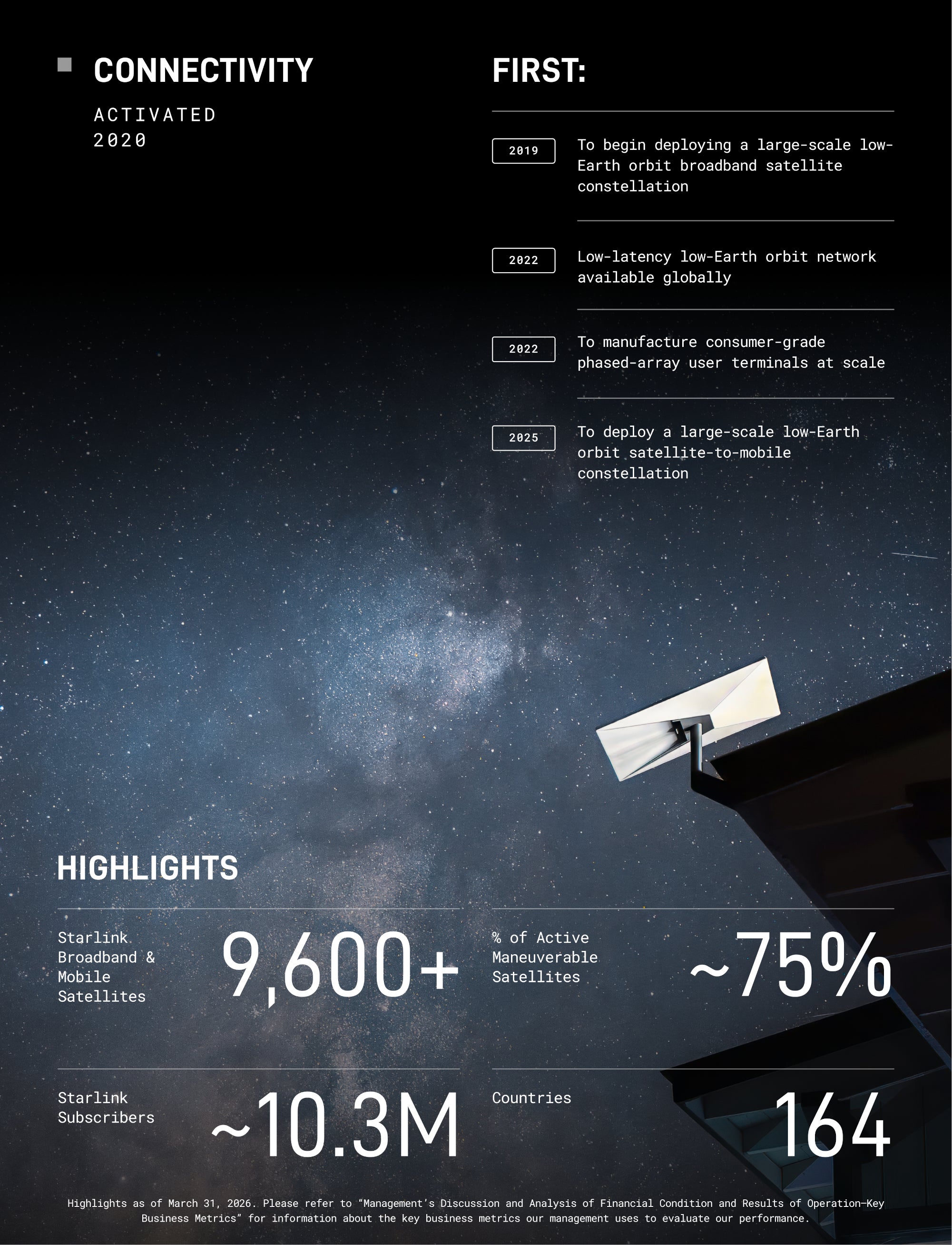
Some interesting Starlink stats. | Image by SpaceX
With growth slowing, the telecom giants are allegedly cutting back on network expenditures. Even in areas with strong signals, there are issues in 1 out of every 11 interactions.
This may change next year
Currently, T-Satellite only supports texting and light data. For our data-hungry lifestyles, that naturally falls a bit short. SpaceX aims to change that next year with its V2 satellites, which will support broadband data and IoT connectivity.
Until then, it looks like most customers would rather take their chances in a dead zone than pay $10 every month for something they may never use.
