

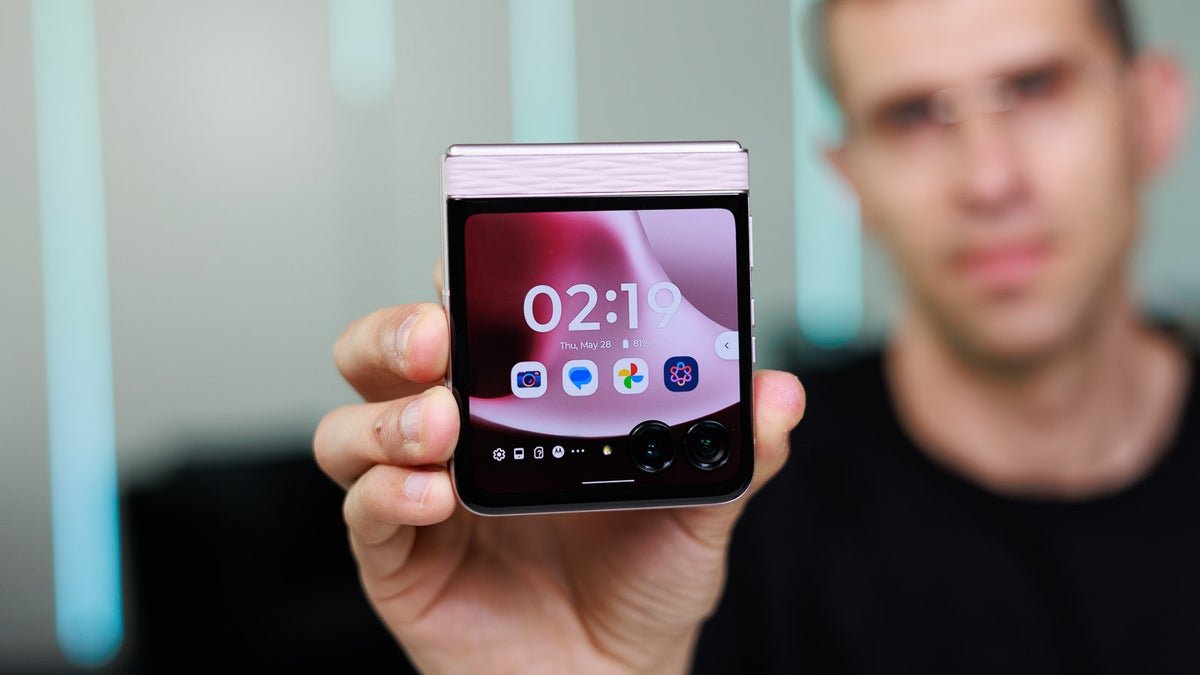
The base Razr 2026 is also widely available at Boost Mobile, Spectrum Mobile, Xfinity Mobile, Consumer Cellular and Google Fi. The places where you can buy it unlocked are Amazon, Best Buy and Motorola.com, the latter offering $200 discount with a trade-in and free Moto Buds 2 Plus with the purchase.
Table of Contents:
Also read::
Motorola Razr 2026 Design and Display
A budget foldable that looks stylish
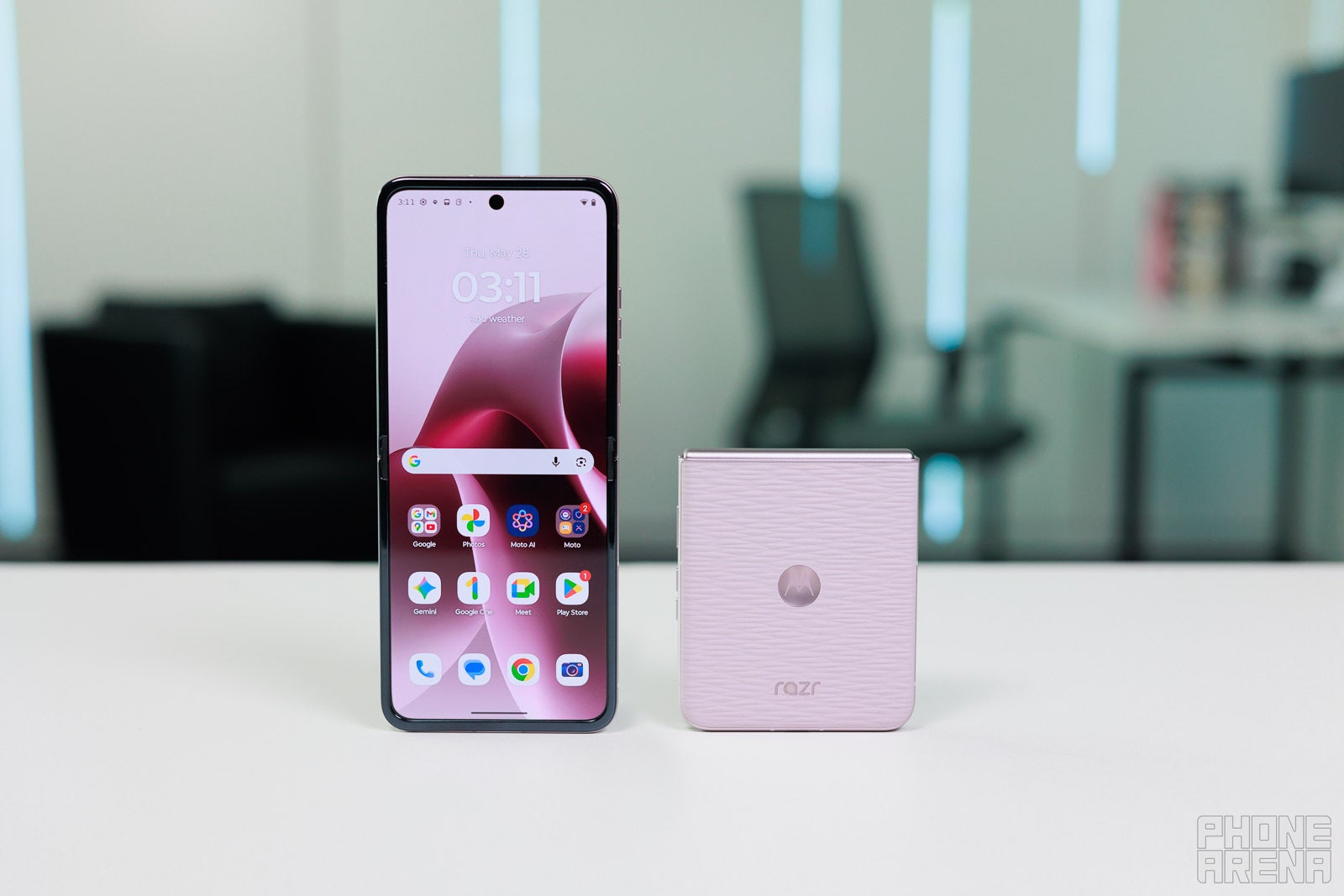
Image by PhoneArena
Motorola basically took the “if it ain’t broke, don’t fix it” approach with the base Razr 2026. Put the 2026 and 2025 models next to each other, and you’d honestly have a hard time telling which is which, unless you already know what are the new colors. Speaking of the colors, we have the Violet Ice model with a soft, vegan leather finish that feels very nice in the hand. Otherwise, the physical design is completely unchanged.
You’re still getting the same 3.6-inch cover screen wrapping around the two camera lenses, plus the same 6.9-inch inner display with the same bezel size. The slightly rounded frame and corners are totally unchanged as well.
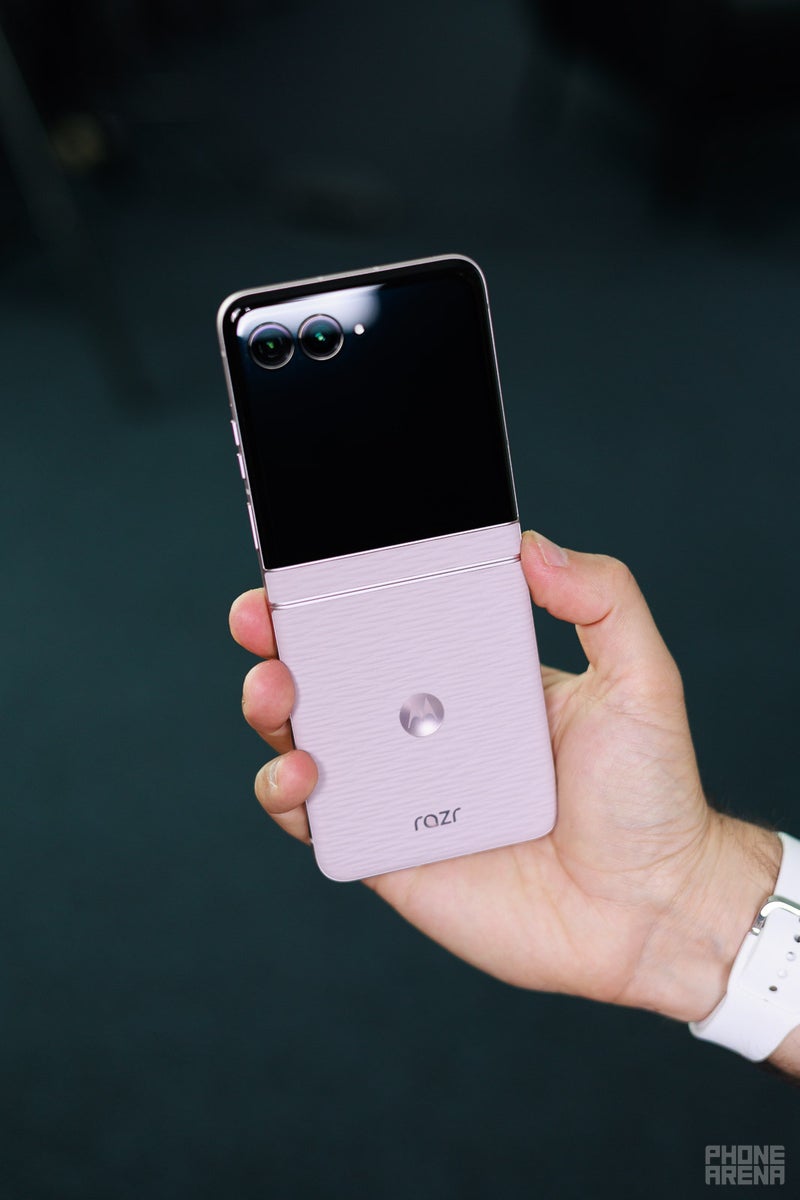
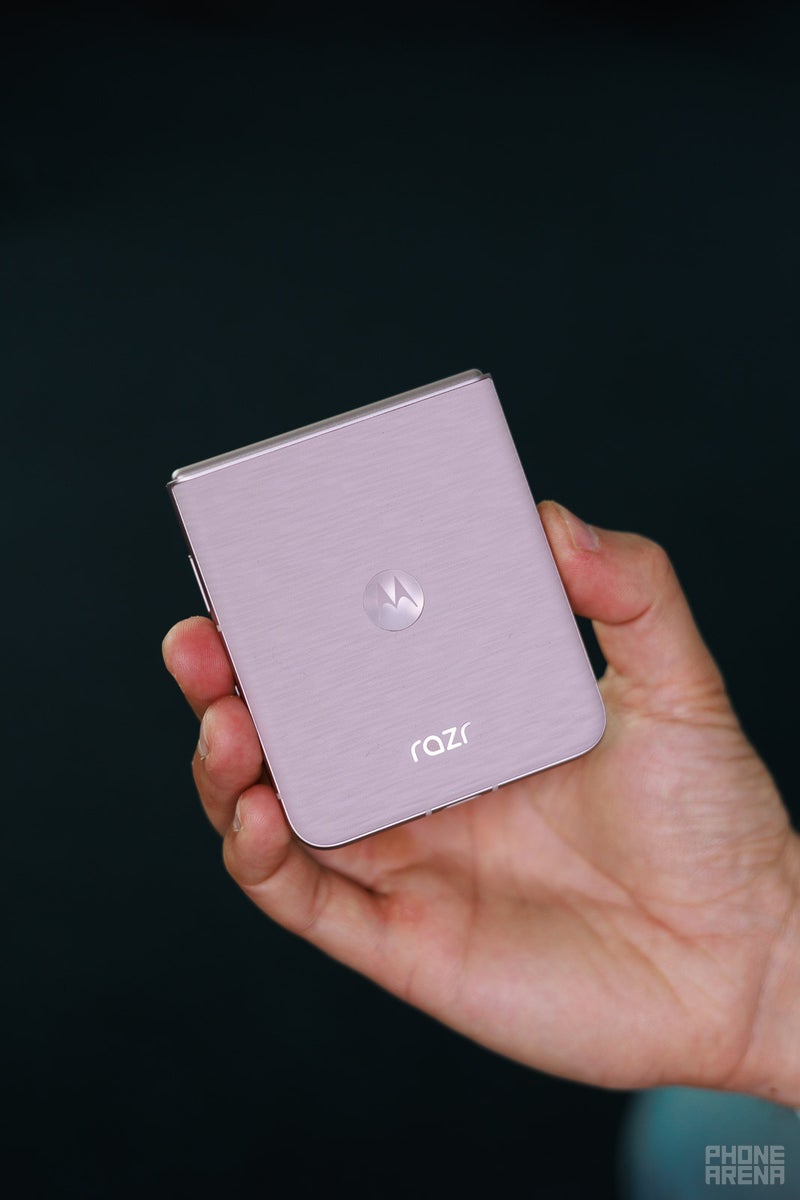
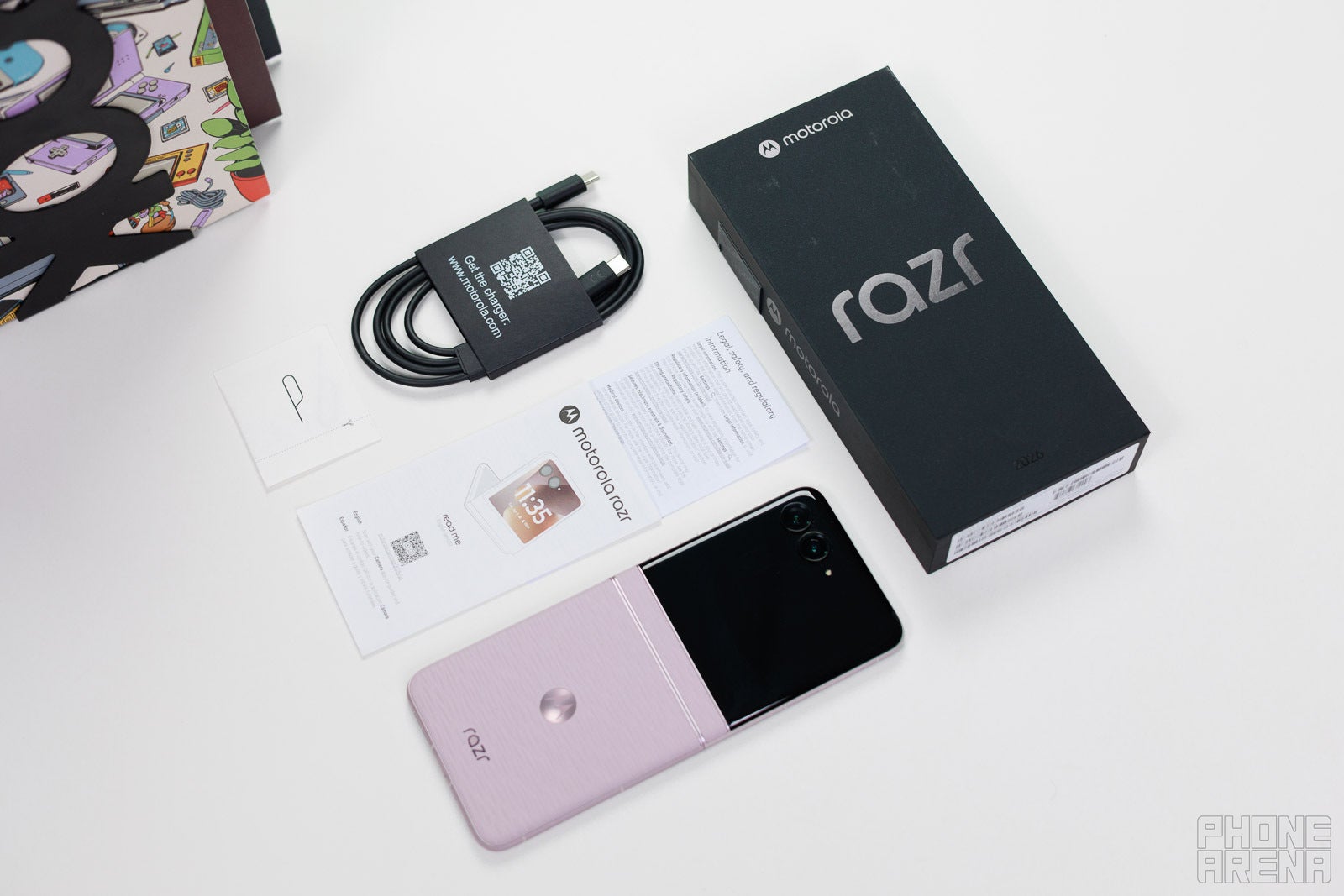
Image by PhoneArena
- the Motorola Razr 2026 itself
- USB Type-C cable
- SIM ejector tool
- Manuals and leaflets
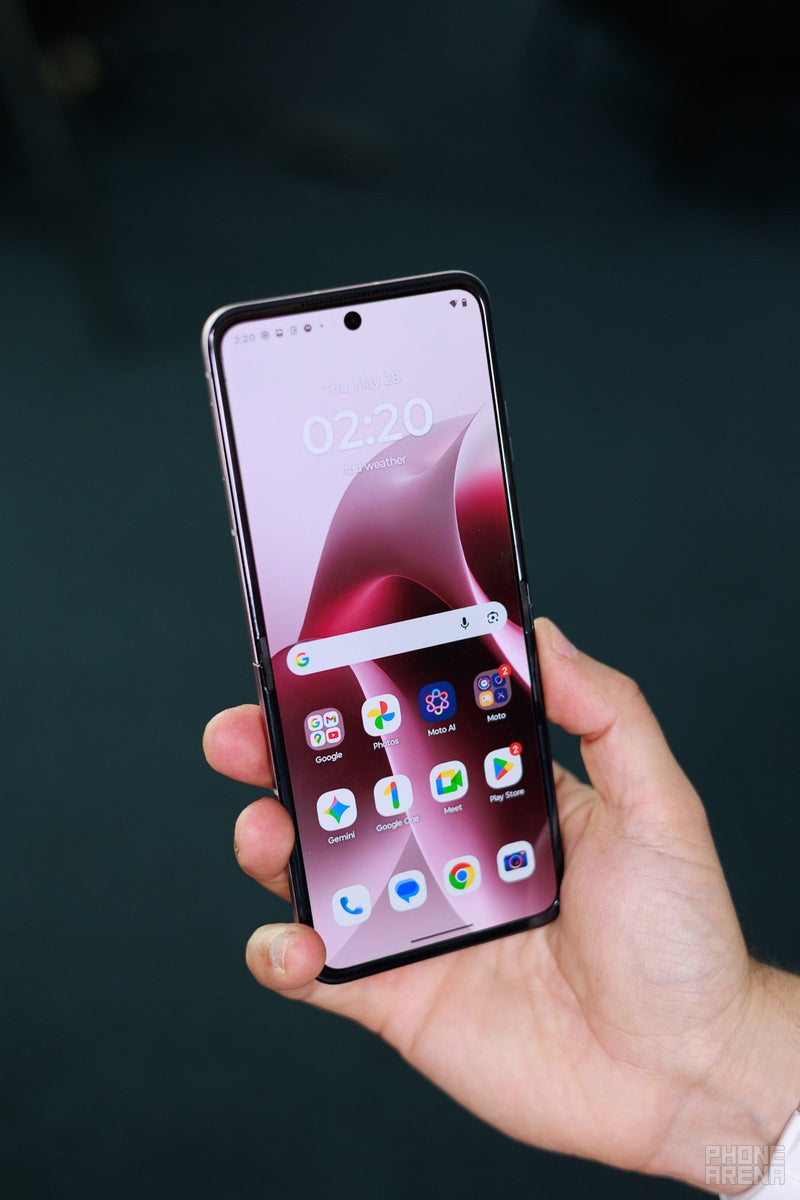
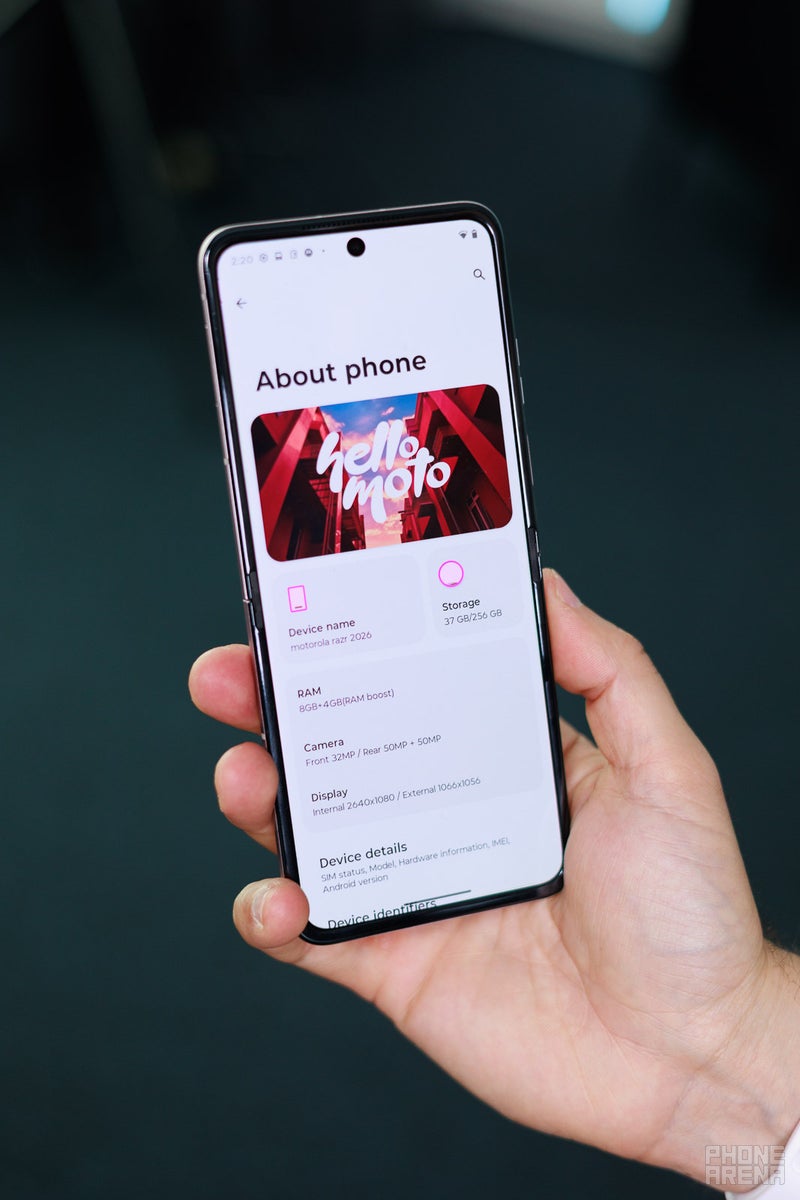
While the essential display specs haven’t changed, Motorola is reportedly using newer panel technology that is slightly more efficient. Because of the new hinge, the crease in the middle is a bit shallower, which is nice.
The fingerprint scanner is embedded into the side-positioned power button. It’s an old-school capacitive fingerprint reader, and I don’t really mind: it is zippy and accurate, and just works.
Motorola Razr 2026 Camera
Noticeable camera improvements
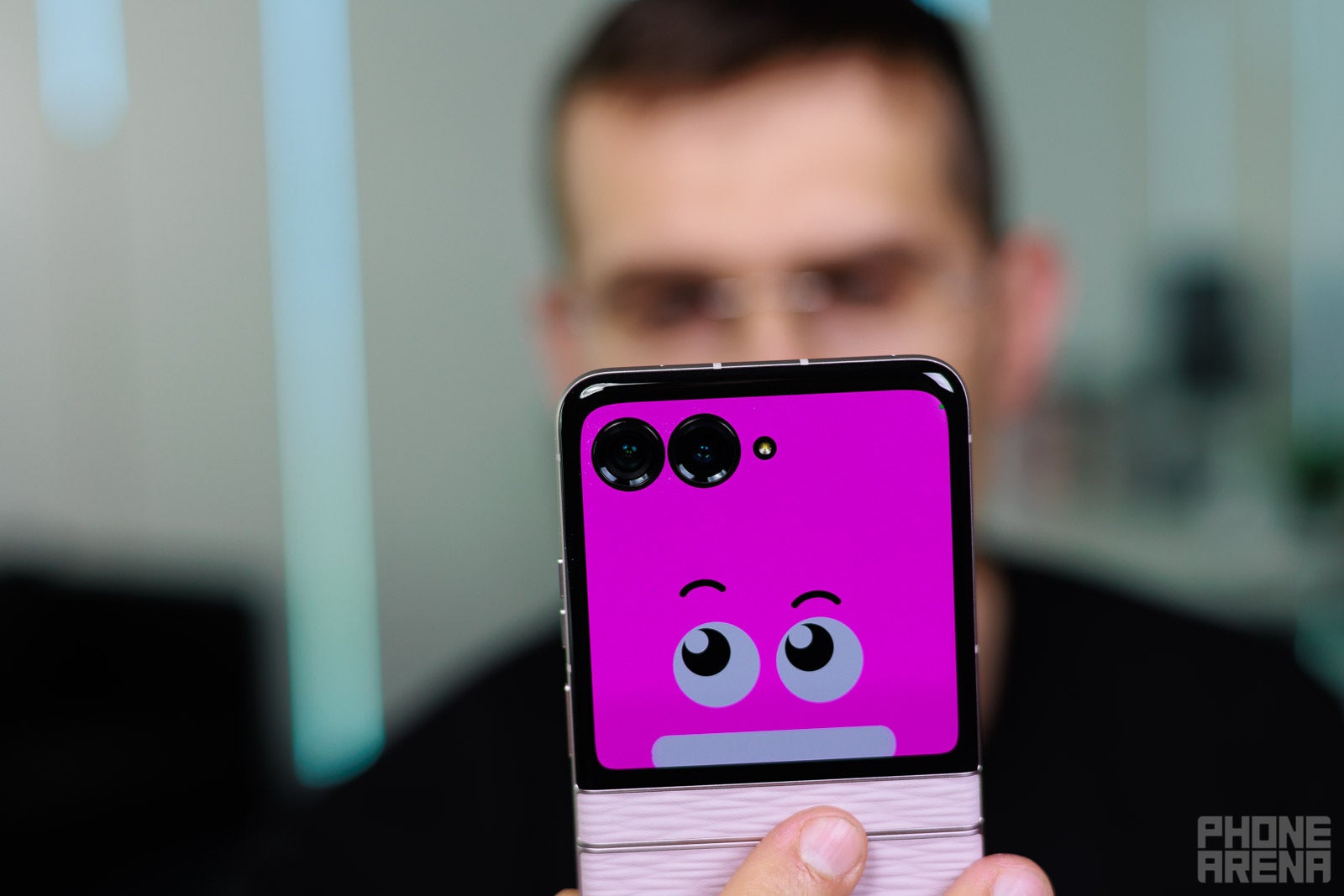
Image by PhoneArena
The biggest change on the new Razr 2026 model is in the cameras. While the previous model featured a 50MP main and a 13MP ultra-wide setup, the newer model jumps to two 50MP cameras.
The jump in quality is most noticeable on the ultra-wide camera, which now has an even wider field of view and with pixel binning, it captures cleaner detail in low light conditions.
But look at the images and you’d realize that most people are not giving Motorola enough credit for the year-to-year improvements here. This is easily one of the most underrated upgrades of this phone.
Main Camera
The most noticeable improvement I noticed in the dozens of sample photos I captured on the Razr 2026 is the reduction in sharpness. Smartphone photos often have lots of artificially added sharpness, which is typically a bad look, and I’m happy to see that the Razr 2026 goes with more realistic, softer detail
Occasionally, it also resolves some of the issues of the Razr 2025 camera that is a bit more erratic.
Portrait Mode
The improvement in quality in portrait mode is MASSIVE. The 2025 edition features very unnatural detail, while the Razr 2026 fixes that with more detailed and pleasing looking portraits.
Zoom Quality
While there is no dedicated telephoto camera on the Razr 2026, you can see a clear improvement in the detail, which means Motorola has improved the software processing noticeably.
Ultra-wide
The ultra-wide camera is the biggest leap forward with an even wider field of view, less HDR artifacting and more pleasing colors.
Motorola also leans heavily into that bright and cheerful look, which was previously associated with Samsung phones. It’s not totally realistic, but I don’t mind it.
Selfies
Selfies also seem to have improved a bit in terms of detail.
Motorola Razr 2026 Performance & Benchmarks
Still so very average
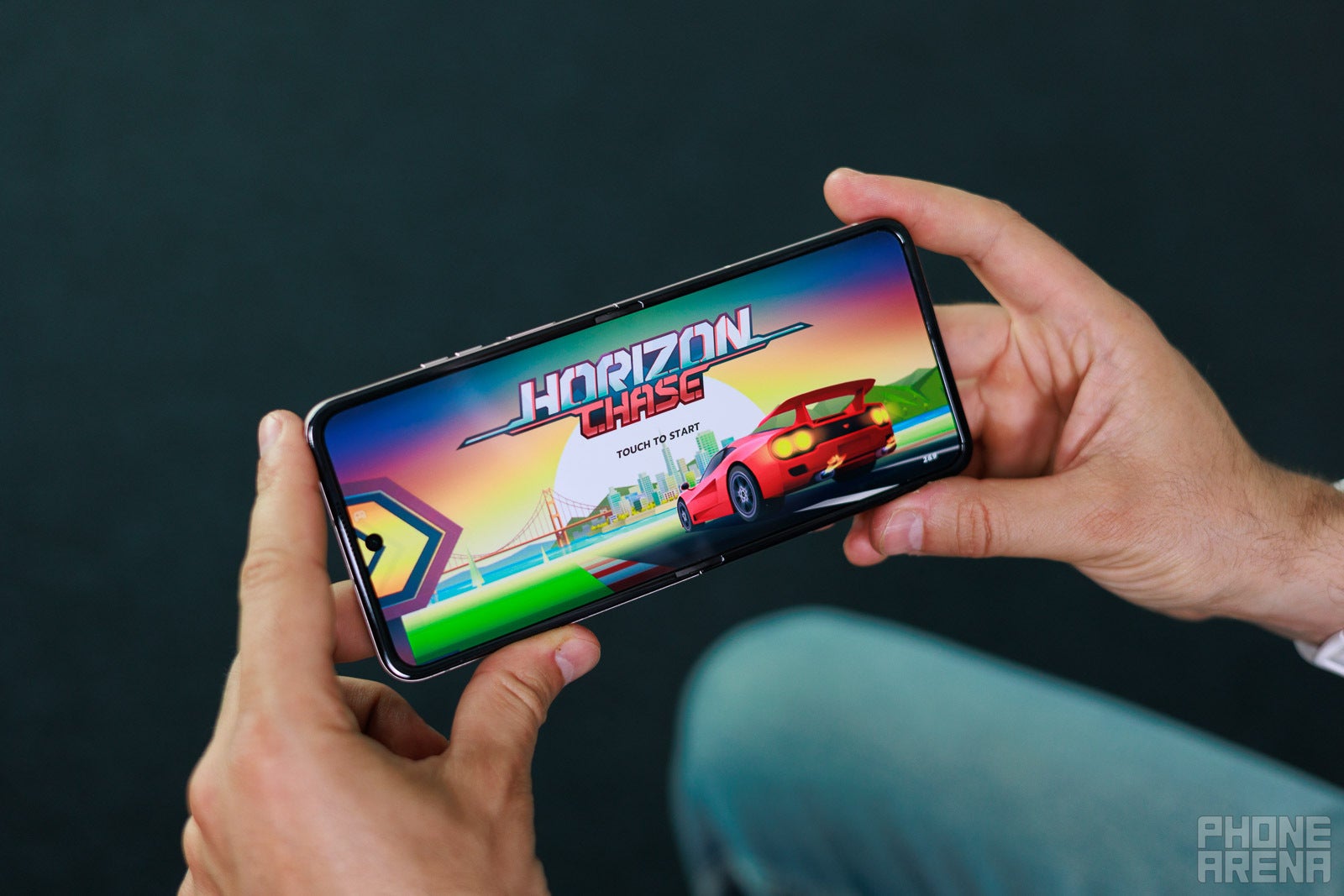
Image by PhoneArena
The biggest compromise on the Razr 2026 has got to be its incredibly average performance. The phone now runs on a slightly newer MediaTek Dimensity 7450X chipset (vs the 7400X version on the Razr 2025).
You have 8GB of RAM on board, no change here, and that’s again, just the average for 2026.
CPU Performance Benchmarks:
Geekbench 6: A high single-core score is what makes your phone feel snappy during everyday tasks like opening apps, typing and browsing. The multi-core score matters most when doing heavier work like video editing or gaming.
CPU performance has not increased an iota here.
Interestingly, on-device AI performance has actually decreased in the newer version.
GPU Performance
Wild Life Extreme is a heavy graphics workload used to measure a device’s sustained GPU performance and thermal throttling. It uses older mobile rendering techniques and is friendly to older or lower-end mobile devices.
Gaming performance has also remained unchanged and these scores are very average. You can play basic mobile games easier, but this is not a phone that you can comfortably play more demanding titles like Genshin Impact.
The newer Steel Nomad test once again shows that there hasn’t been a meaningful improvement in gaming.
Storage speed
The Razr 2026 comes with 256GB of storage, which has become the new standard this year and that’s great. There is no microSD card slot, so you cannot expand that storage.
Storage tests measure how quickly your phone can move data. Random read and write show how fast your phone can find and move thousands of tiny, scattered files. This is the most important metric for an average user because it’s what happens when you open an app, check your notifications, or search through your photo gallery. Sequential read and write measure the speed of moving one giant, continuous file. You’ll notice this when you are saving a 4K video you just recorded or downloading a massive game update.
We are happy to see UFS 3.1 storage here and a welcome boost in storage speeds which makes loading games and photos noticeably quicker.
Motorola Razr 2026 Software
We get Android 16 on the Motorola Razr 2026 in a fairly clean form, only sprinkled with a few familiar Moto features on top. Of course, we have the Moto Actions: gestures like chop-chop to start the flashlight or twisting the phone to start the camera.
But the biggest miss is the software update situation. Motorola only commits to 3 years of OS updates on the whole Razr 2026 flip phone family (the Fold gets 7 years). This is just not on par with the rest of the industry and Samsung has a strong advantage here, supporting its phones for 7 years.
Motorola has also expanded its AI features a tiny bit, but there is no dedicated physical button to start AI features (only the familiar long press on the power key that opens Gemini).
Here are the signature Moto AI features (most of them were introduced last year):
- Catch Me Up: Uses AI to summarize your missed notifications and chat threads (including apps like WhatsApp and Messages). It now runs a bit faster and supports more regional languages on-device.
- Pay Attention: Records live conversations or meetings, transcribing and auto-summarizing them directly into Moto Notes, This was also introduced in 2025, but now features better multi-speaker separation.
- Remember This: When you take a screenshot or photo, the AI tags it with text description, so you can search for it later using natural language.
- Look and Talk: Allows you to wake the assistant simply by looking at the cover display when the phone is propped open in “Tent” mode. When this launched in 2025, it was only available on the Razr Ultra, and now it comes on all 2026 Moto foldables.
- Playlist / Image Studio: You can use this to generates wallpapers from text or you can get very specific music playlists that you bring from a voice prompt.
Motorola Razr 2026 Battery
Good battery life for a flip phone
The Razr 2026 brings a nearly 7% larger battery, a nifty upgrade. It now comes with a 4,800mAh cell, up from a 4,500mAh battery on the Razr 2025.
PhoneArena Battery Test Results:
We did, however, measure a welcome improvement in video streaming where the new Razr lasted for nearly 11 hours, a really impressive score.
In terms of charging, the phone supports 30W wired and standard 15W wireless charging. Not amazing, but not bad either.
The Motorola Razr (2025) takes around 1 hour for a full wired charge. It also supports wireless charging at 15W speeds.
Motorola Razr 2026 Audio Quality and Haptics
Like most other phones, the Razr 2026 comes with a hybrid dual speaker layout with one dedicated speaker on the bottom and a secondary speaker built into the earpiece at the top. When unfolded it sounds above average, but not quite great. It doesn’t get excessively loud, but sound is not muffled either. When you flip it closed, though, you lose the secondary speaker and you can notice the drop.
The haptics are well handled with nice and tight feedback, just as you’d expect on a phone in this price tier.
Motorola Razr 2026 Specs
Here is an overview of the Motorola Razr 2026 specs:
| Dimensions | ||
|---|---|---|
| 171.30 x 73.99 x 7.25 mm | 171.4 x 74 x 7.1 mm | 171.48 × 73.99 × 7.19 |
| Weight | ||
| 188.0 g | 189.0 g | 199.0 g |
| Size | ||
|---|---|---|
| 6.9-inch | 6.9-inch | 7.0-inch |
| Type | ||
| AMOLED, 120Hz | AMOLED, 165Hz | AMOLED, 165Hz |
| System chip | ||
|---|---|---|
| MediaTek Dimensity 7450X (4 nm) | Snapdragon 8s Gen 3 SM8635 (4 nm) | Snapdragon 8 Elite SM8750-AC (3 nm) |
| Memory | ||
| 8GB (LPDDR5X)/256GB (UFS 3.1) | 12GB (LPDDR5X)/256GB (UFS 4.0) | 16GB (LPDDR5X)/512GB (UFS 4.0) |
| OS | ||
| Android (16) | Android (16) | Android (16) |
| Type | ||
|---|---|---|
| 4800 mAh | 4500 mAh | 5000 mAh |
| Charge speed | ||
| Wired: 30.0W Wireless: 15.0W |
Wired: 45.0W Wireless: 15.0W |
Wired: 68.0W Wireless: 30.0W |
| Main camera | ||
|---|---|---|
| 50 MP (PDAF) Aperture size: F1.7 Focal length: 25 mm Sensor size: 1/1.95″ Pixel size: 0.8 μm |
50 MP (OIS, PDAF) Aperture size: F1.8 Focal length: 24 mm Sensor size: 1/1.95″ Pixel size: 0.8 μm |
50 MP (OIS, PDAF) Aperture size: F1.8 Focal length: 24 mm Sensor size: 1/1.56″ Pixel size: 1.0 μm |
| Second camera | ||
| 50 MP (Ultra-wide) Aperture size: F2.0 Focal Length: 12 mm Sensor size: 1/2.76″ Pixel size: 0.64 μm |
50 MP (Ultra-wide) Aperture size: F2.0 Focal Length: 12 mm Sensor size: 1/2.76″ Pixel size: 0.64 μm |
50 MP (Ultra-wide, PDAF) Aperture size: F2.0 Focal Length: 12 mm Sensor size: 1/2.93″ Pixel size: 0.6 μm |
| Front | ||
| 32 MP | 32 MP | 50 MP |
Motorola Razr (2026) vs Motorola Razr Plus (2026) vs Motorola Razr Ultra (2026) specs comparison
or compare them to other phones using our
Phone Comparison tool
Should you buy it?
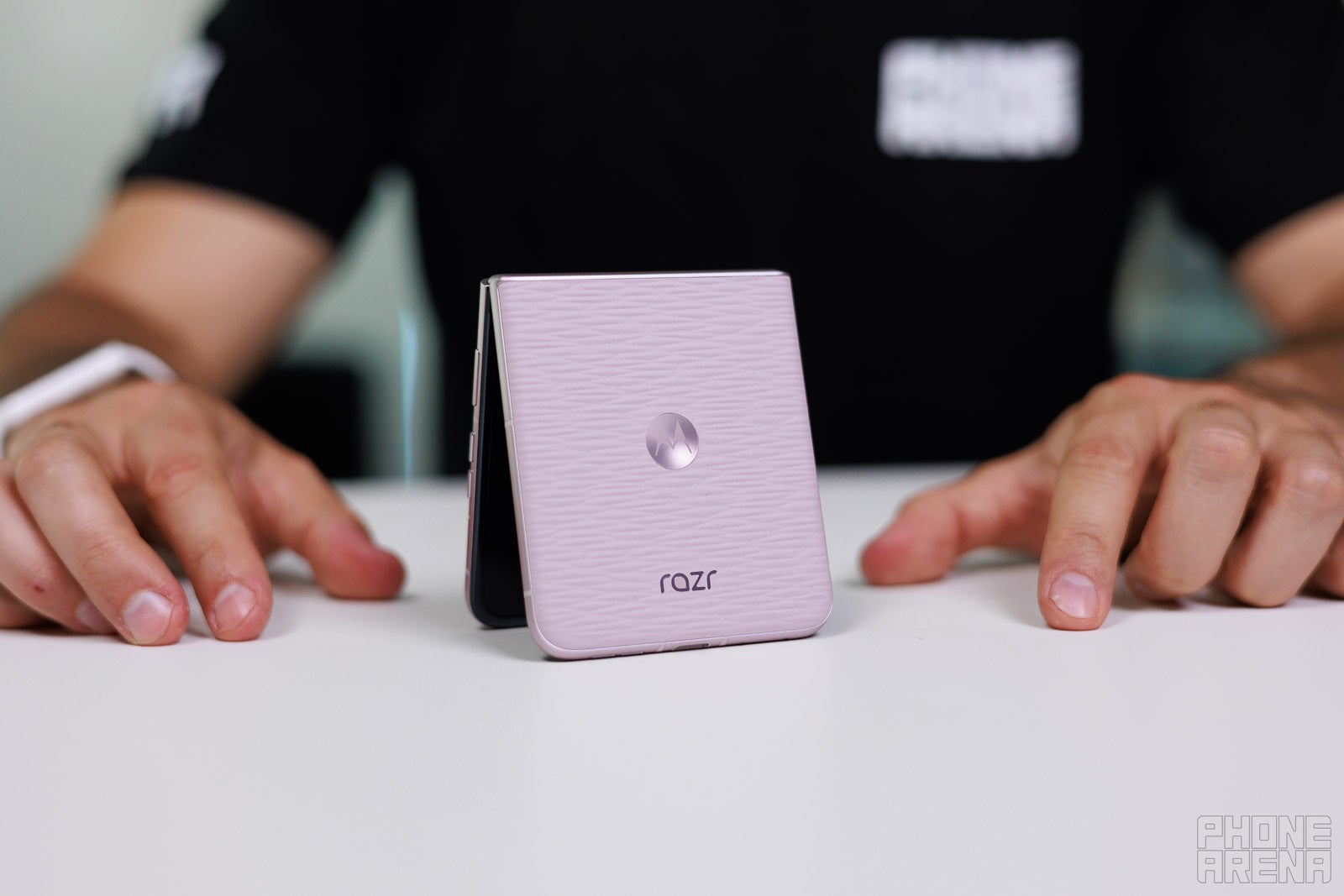
Image by PhoneArena
The Motorola Razr 2026 remains the value king in the flip phone market, despite the jump in price from $700 to $800 this year.
It’s widely available on carriers and in my time with it, I did not experience any major issues. It was a fine flip phone.
If you are a more demanding user, though, the average processor remains a sore point that you will certainly notice. Motorola also keeps on disappointing with the short software support window — 3 years of promised updates is not enough.
Yet still, with trade-in discounts and other bonuses, the Razr 2026 is good value. You get the improved battery life and most reviewers are missing the noticeable upgrade in camera quality this year. All things considered, this is the flip phone I will recommend to most people who don’t want to spend a fortune, yet still want that flip phone experience.
