

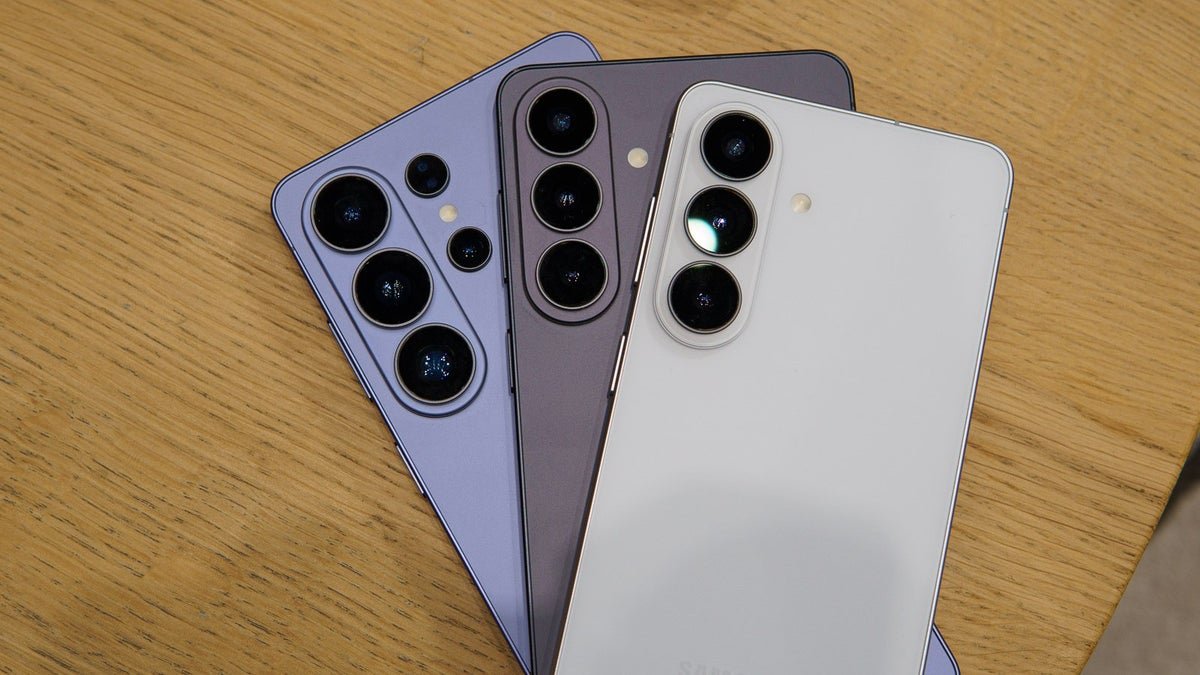
Memory prices may finally be brought to a halt
During the 285th NAEK Forum hosted by the National Academy of Engineering of Korea on May 18, Kyung Kye-hun, the former president of Samsung Electronics Device Solutions (DS) division, predicted the memory crisis could actually end soon.
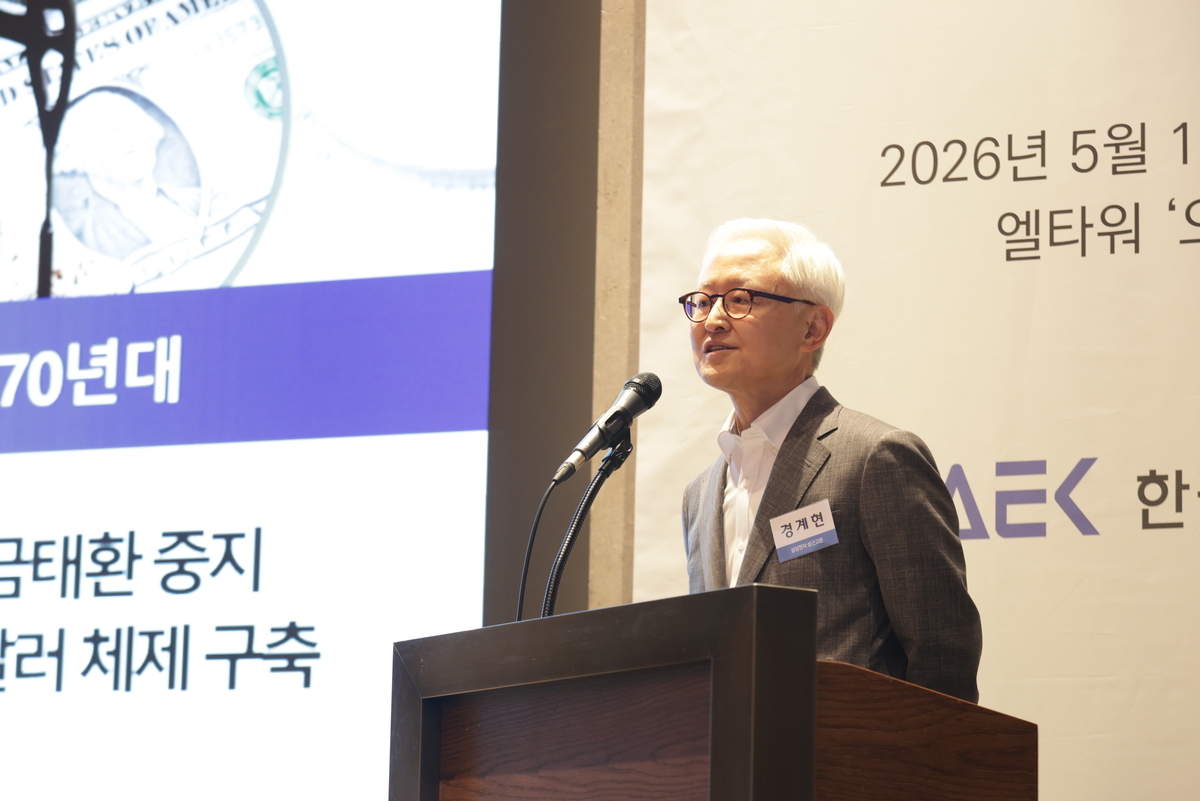
Kyung Kye-hyun speaks during the Forum. | Image by Seoul Economic Daily
According to Kyung, this could happen as early as the second half of next year. He explains that Chinese companies are rapidly expanding production of memory solutions, which could lead to a global oversupply of the market. This, in turn, could finally bring the RAMpocalypse to an end.
But is that really as good as it sounds?
The double-edged sword
At first glance, the decline of DRAM solutions may appear as the secret ingredient that could finally put a stop to the higher smartphone prices we’re seeing this year. The Galaxy S26, for example, debuted at $100 more than its predecessor and now costs $899.99.
However, Kyung estimates that overflooding the memory solutions sector could have a negative impact on investment.
If returns relative to Big Tech’s capital expenditures decline, there is a possibility of investment cutbacks.
Kyung Kye-hyun, Former president of Samsung Electronics’ Device Solutions (DS) division
Currently, big companies developing AI data centers are investing billions of dollars in memory solutions that can power those centers. However, when the market becomes oversupplied, they may cut back on their spending.
The Galaxy S26+ also debuted at a higher price, by the way. | Image by PhoneArena
In turn, this could lead to brands slowing down research and development of new solutions and becoming more cautious with spending. But what’s the ultimate impact here for users?
What does this all mean for your phone
If Kyung’s predictions are correct, future smartphones may feature more RAM and storage capacities. With the market oversupply at more affordable prices, brands may be able to offer higher-tier configurations, such as 16GB, in flagships.
However, if investment from AI data center operators declines and the market is oversupplied, phones may not pack new or advanced memory solutions. We may get more RAM, but it might not be the latest cutting-edge version.
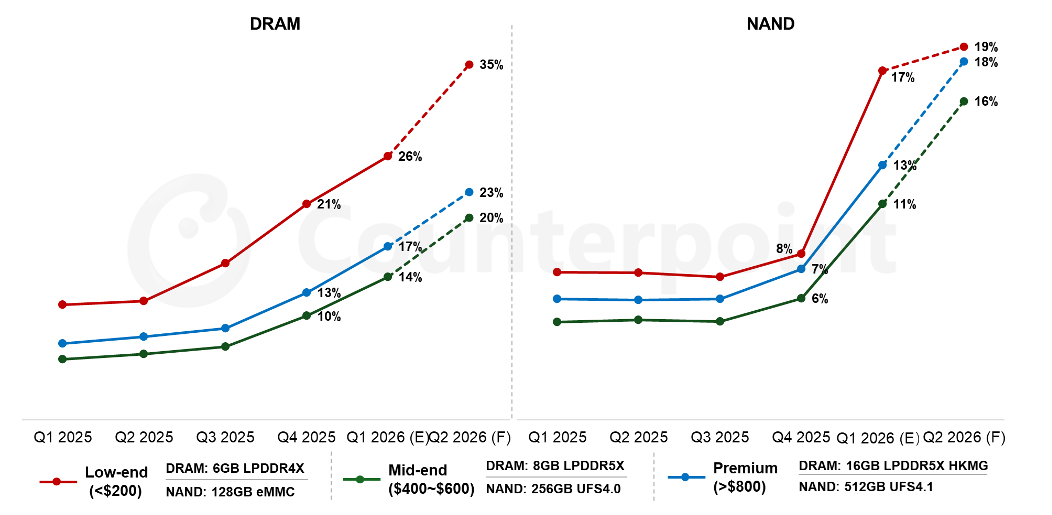
Q1 2026 memory prices are is looking grim. | Image by Counterpoint Research
In case you were wondering, smartphone prices are unlikely to drop dramatically. While a halt of the year-on-year increase is possible, brands may resolve to adding more RAM and storage to justify pricing and position upgrades rather than pass all savings directly to consumers.
It’s not as good as it seems
In 2026, the RAMpocalypse has seen sharp increases in RAM and storage solutions, resulting in more expensive phones with less generous upgrades. And while I’d love to see more changes at the same price, this may still be a pipe dream.
At this stage, it appears that the memory market could be entering another cycle where volatility, rather than steady growth, is becoming the new norm. That makes it harder for brands to bring consistent year-on-year upgrades at the same price point.
Bottom line: smartphones won’t stop improving, but the overall package may start feeling less generous. Some years we may see a sharp jump in RAM and storage — but phones won’t ultimately become more affordable.
