

Liquid Glass is in the news again
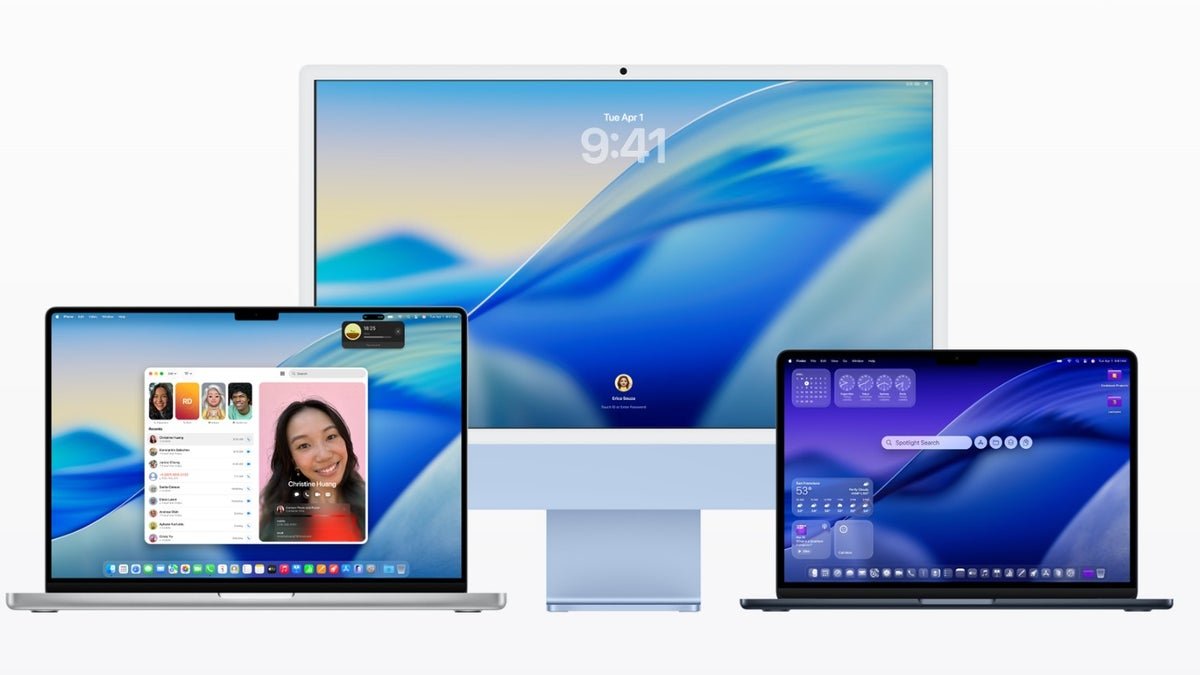
When Apple jumped from macOS 15 Sequoia to macOS 26 Tahoe, the interface was one of the many things that changed in the new operating system. The company introduced a completely new Liquid Glass UI for its iPhone, iPad, and Mac. It basically gives a fluid, translucent, glass-like appearance to all the on-screen elements.While the new design received mixed responses across Apple devices, it wasn’t welcomed with open arms on the MacBook. It hasn’t performed as smoothly on macOS as on iPhone or iPad.
You’ll find plenty of online reports where users complain that they really miss the pre-Liquid Glass macOS because it felt more refined. One major issue users report is that the transparency and shadow effects in the new design make it really difficult to read text surrounded by plenty of other textual elements, for instance, it’s really hard to read text in the Control Center or Finder.
Why isn’t the Liquid Glass experience the best on macOS 26?
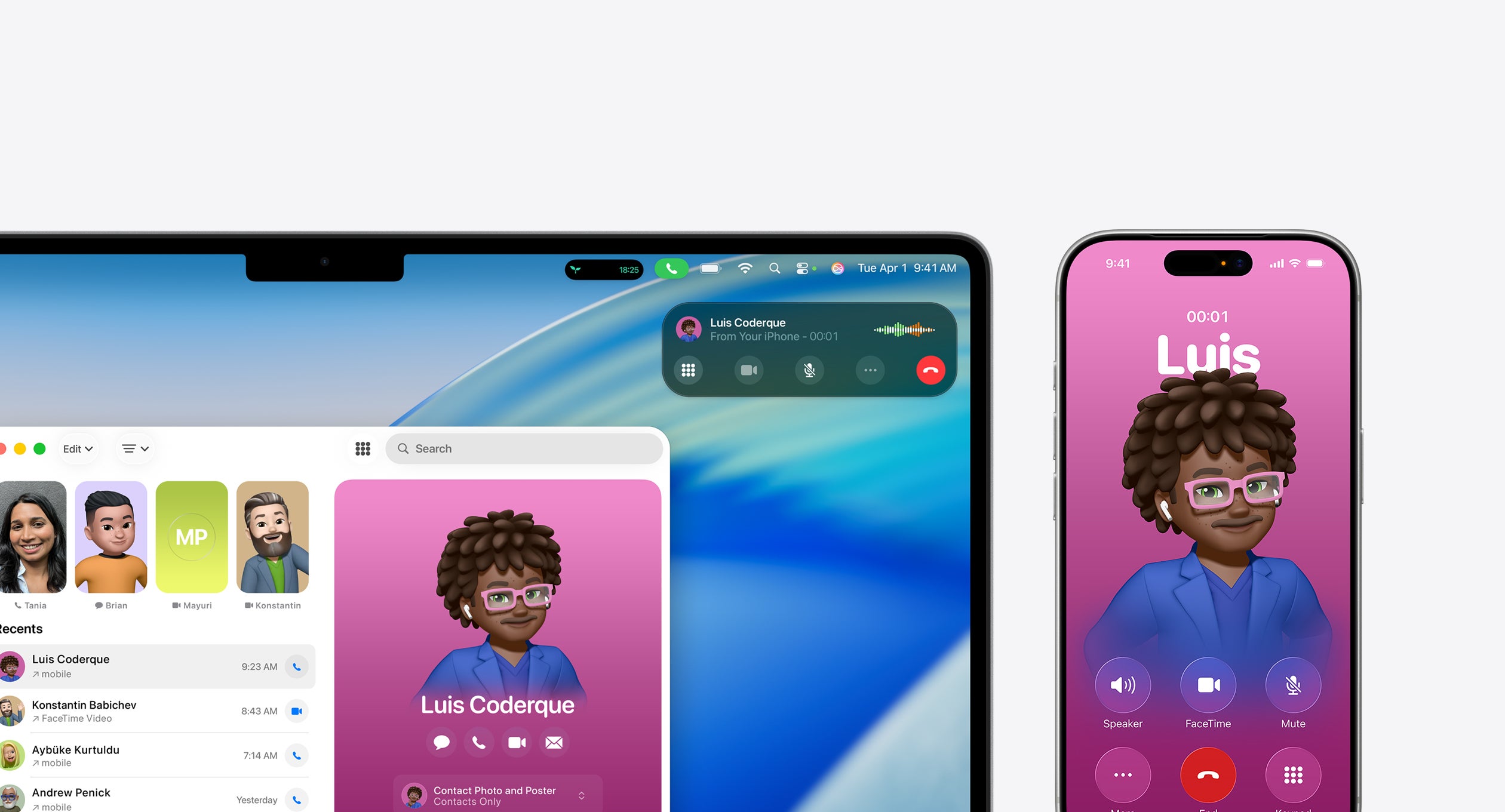
Liquid Glass interface on MacBook and iPhone. | Image by Apple
The short answer to this is the hardware of the MacBook. As it turns out, the Liquid Glass interface was designed for modern hardware like OLED displays, which you’ll find in the latest iPhones, Apple Watches, and certain iPads. As a result, you won’t hear any major UI-related complaints on these devices.
The MacBooks, on the other hand, still ship with years-old hardware and design. In a world where OLED panels have become mainstream, Apple is still using LCDs in its large-screen devices. The issue with this is that they don’t perfectly render all the effects like shadows and translucency that are created by the Liquid Glass. As a result, you might experience UI-related issues while using macOS 26.
macOS 27 to feature UI tweaks
Now let’s talk about the good news. According to Gurman, Apple is working on refining the Liquid Glass with macOS 27, with the aim of resolving all the reported shadow and transparency issues in Tahoe. iOS 27 and iPadOS 27 will also reportedly see some small design changes to improve the overall UI experience.Gurman mentions in his report that the Apple engineering team envisioned Liquid Glass to look a lot cleaner and more polished in macOS 26. However, when it was actually implemented, the result didn’t perfectly match what the team had imagined. As a result, users have experienced different UI-related issues since the launch of this update.The software giant has tried to address most of the reported quirks through recent updates. For instance, the highly reported readability issue in the Control Center was reportedly resolved with the release of macOS 26.4. Still, the fully polished version of Liquid Glass – the one that the design team wanted to implement from the start – will reportedly become available with macOS 27.
It’s not something new for Apple
As it turns out, this wouldn’t be the first time we’d seen the Cupertino giant focus mainly on a cleanup approach in its next major software release. A similar situation occurred with the release of iOS 7, which introduced the Liquid Glass-like controversial flat design. Following the backlash, the company mainly focused on redefining the experience with its next major software release, iOS 8.Since visual changes like Liquid Glass work best on modern hardware, Gurman believes it will look perfect on the upcoming OLED MacBooks. But I believe refining the design is actually a much-needed move, as the company would really want non-OLED MacBook users to start loving the new Liquid Glass look too. All that said, the upcoming software will be unveiled on June 8.
