

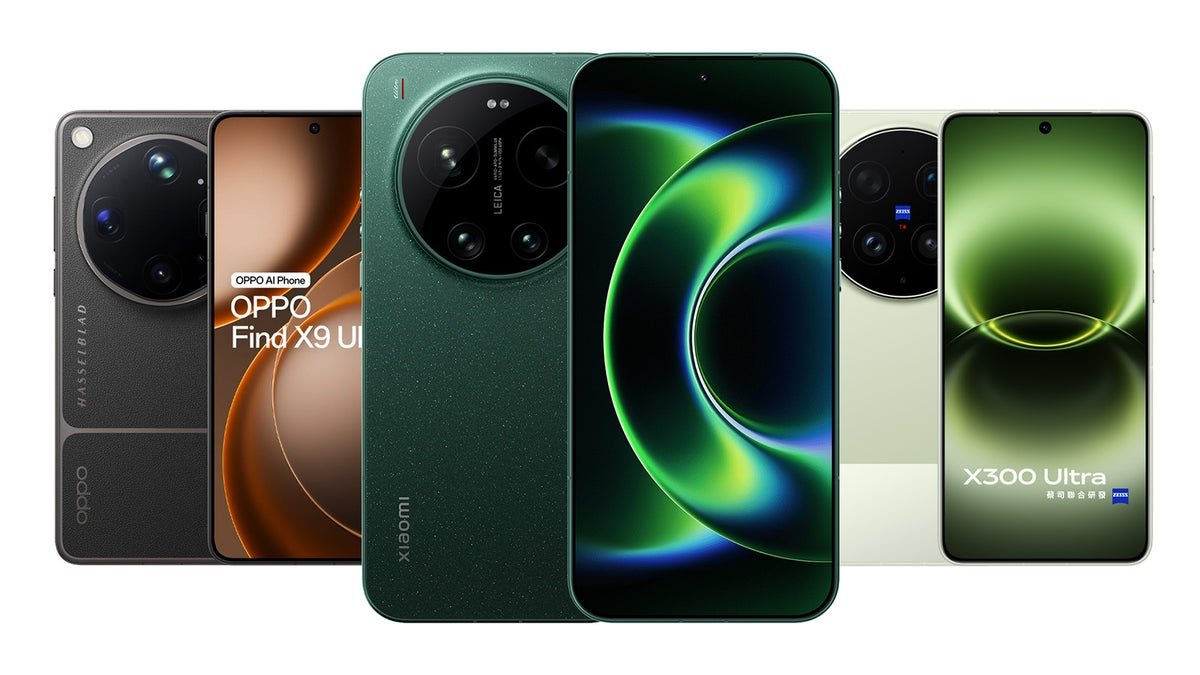
It’s now easier than ever to snag an outstanding camera phone. There are so many models to choose from, not to mention excellent 2025 and 2024 flagships that’ll blow your mind in terms of imaging capabilities.
But let’s focus on the 2026 crop.
The trinity… that’s actually a quintet (at least)
Let’s invite Apple and Samsung to the party. This means that we’ll have to deal with at least five flagships – yup, I’m putting the iPhone 17 Pro Max in the 2026 list, even though it came out in the fall of 2025. It’s the current iPhone flagship, so we wouldn’t want poor, poor Apple ($3.935 trillion market cap) to feel like it’s being ignored.
So, here’s the list of holy camera phones:
Some would say this list isn’t complete – sure, there are Honor models and Huawei exotics that I haven’t included. Moreover, where’s the Pixel 10 Pro XL?!
I left all those out deliberately; I’m going to stick with the three Ultras from China. I only added the Samsung and Apple flagships because the Galaxy and the iPhone are the two most popular phones on this planet of ours.
But I started with the Find X9 Ultra, so let’s see what it’s about in a nutshell:
- Display: 6.82 inches, AMOLED, 1-120Hz, 510 PPI pixel density, 10-bit panel with over 1 billion colors,
- Chipset: Snapdragon 8 Elite Gen 5
- Memory: up to 16 GB (LPDDR5X) RAM and up to 1 TB (UFS 4.1) storage
- Main camera: 200 MP, f/1.5, 2-axis OIS, 23mm
- Ultra-wide camera: 50 MP, f/2.0
- Telephoto #1 camera: 200 MP, f/2.2, 2-axis OIS, 70mm (3x optical zoom)
- Telephoto #2 camera: 50 MP; f/3.5, 2-axis OIS, 230mm (10x optical zoom)
- Selfie camera: 50 MP, f/2.4, AF supported
- Special sensor: multi-spectral 3.2MP, f/2.4
- Battery: 7,050 mAh with 100W wired charging speeds
- Weight: ~235 g
What to choose?
There’s a really simple answer to the question: whatever fits your style.Here, it’s not about what you can afford. These are all premium and sometimes obscenely expensive gadgets. I wish that wasn’t the case, but such is the reality. So, money aside, how to choose the perfect one?
I want Android and I have no use for extreme zoom
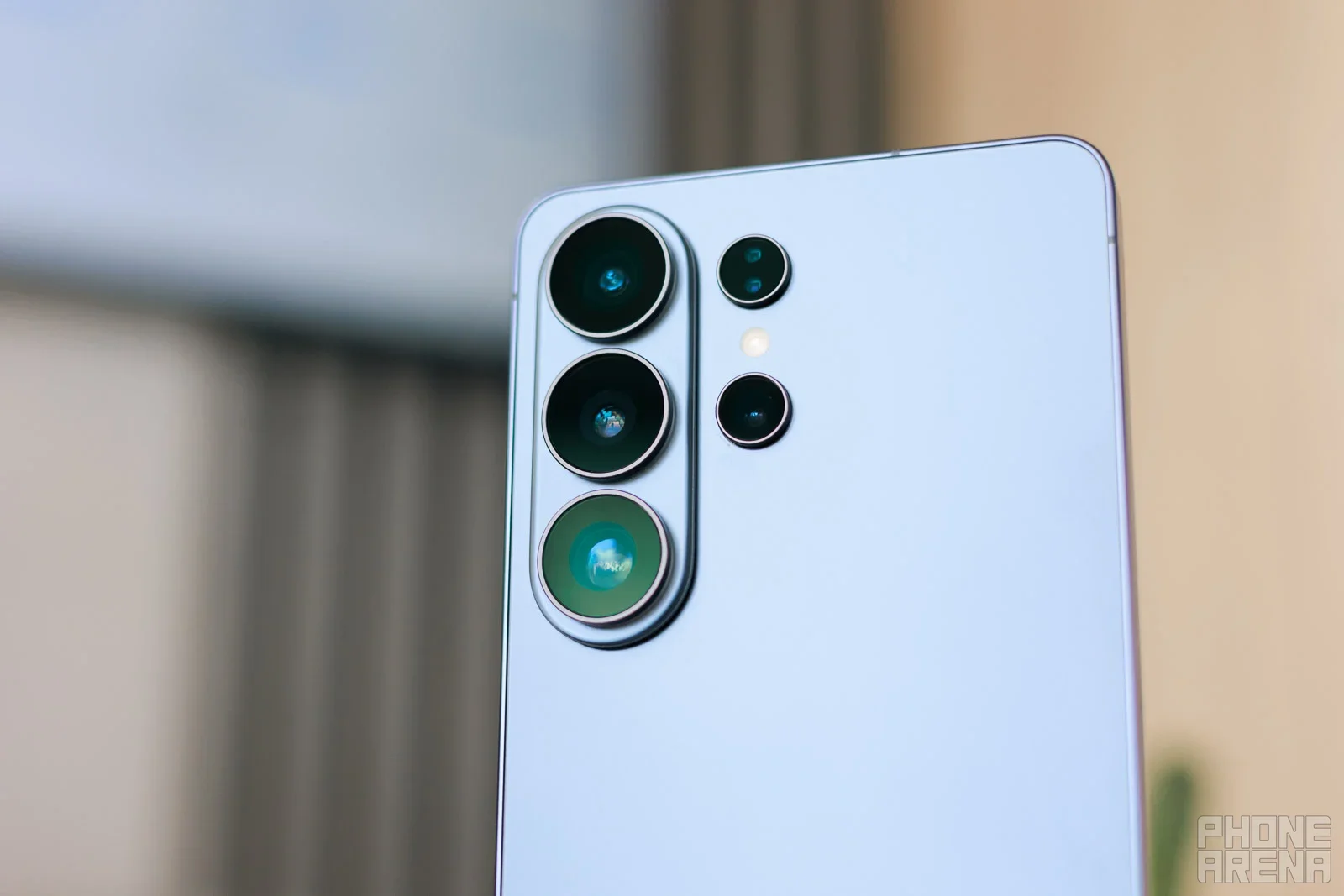
Here’s the Galaxy S26 Ultra for you. | Image by PhoneArena
The good news is that you’re perfectly fine with the Galaxy S26 Ultra. It’s got that funky privacy display feature that’s built-in, and no other phone (currently) can replicate.
While the Galaxy S26 Ultra forgot to upgrade from the Galaxy S25 Ultra in terms of sheer hardware, the phone takes great photos both during the day and at night. The colors are rarely off, the details are there with all cameras.
Except for the digital zoom territory, like 30x, where the Galaxy S26 Ultra gets crushed even by non-Ultra flagships like the Vivo X300 Pro.
If you want everything to work smoothly, if you would rather not leave your comfort zone – but you still want that dual zoom camera setup in a 2026 phone – the Galaxy S26 Ultra is your best bet.
Also, if you fancy thin phones, the Galaxy S26 Ultra is the thinnest of them all at 7.9mm.
I want Android and all I want is adventures
Welcome, my friend, to the wonderful world of Oppo, Xiaomi and Vivo.
All three pack the Snapdragon 8 Elite Gen 5 chipset for maximum performance, all three come with Adreno 840 GPU for top gaming sessions (although there are proper gaming phones that you should consider) and all have 50 MP selfie snappers.
All three offer the blazing-fast UFS 4.1 (the Galaxy S26 Ultra does not) type of storage, all go up to 16 GB of RAM and up to 1 TB. Android 16 is what you’ll get out of the box with each phone and neither will allow you to insert a MicroSD card in it. All charge insanely fast, but one of them is slightly lagging behind.
Finally, all three prioritize the telephoto camera and offer that 200 MP goodness, but I’ll stop right there – let’s see each phone separately.
Get the new Oppo Find X9 Ultra if you want extreme zoom
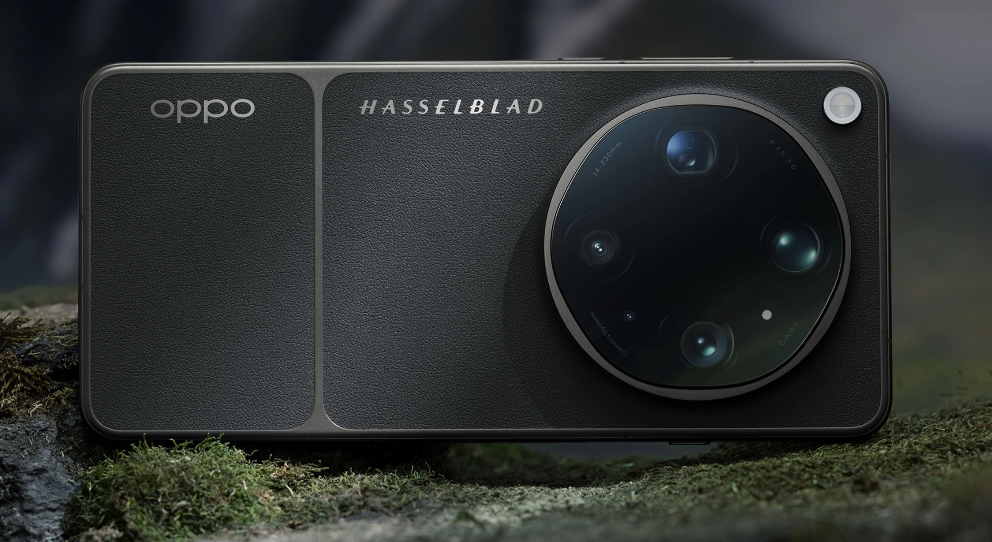
It’s a looker, too. | Image by Oppo
The most cameras on a phone of the three – four regular cameras on the back, one extra multi-spectral sensor and a front-facing snapper. It is the only one of the trinity that comes with more than a single telephoto.The Find X9 Ultra packs the new 200 MP Sony LYT-901 sensor for its main cam, which is slightly smaller than the 1-inch format, but it’s paired with the brightest main camera aperture: f/1.5. You want all the light you can get, and large apertures do precisely that.
The 3x and 10x (optical zoom) cameras make the Find X9 Ultra stand out from the rest. The 3x (200 MP, f/2.2) is pretty standard for portraits – and I’m sure it’ll take those beautifully.
Then, there’s the 10x snapper, which comes with a 50 MP sensor. Personally, I don’t find 10x the best zoom range to take pictures at – it’s simply too much. 5x or 6x is much more balanced.
But the Find X9 Ultra tries to push the 3x into 6x territory via software enhancements while giving you super 10x reach without the need for external teleconverters and adapters. I’ll give the 10x a try, even if I find it uncomfortable.
The Find X9 Ultra also comes with the biggest battery at 7,050 mAh. It’s also the heaviest at 235g, but that’s marginally more than the rest. If you want a light phone, don’t get a camera phone. Go get an iPhone Air.
This phone also offers the highest (94.60%) screen-to-body ratio.
The charging is blazing fast at 100W (wired) and 50W (wireless).
Get the Vivo X300 Ultra for that very special main camera
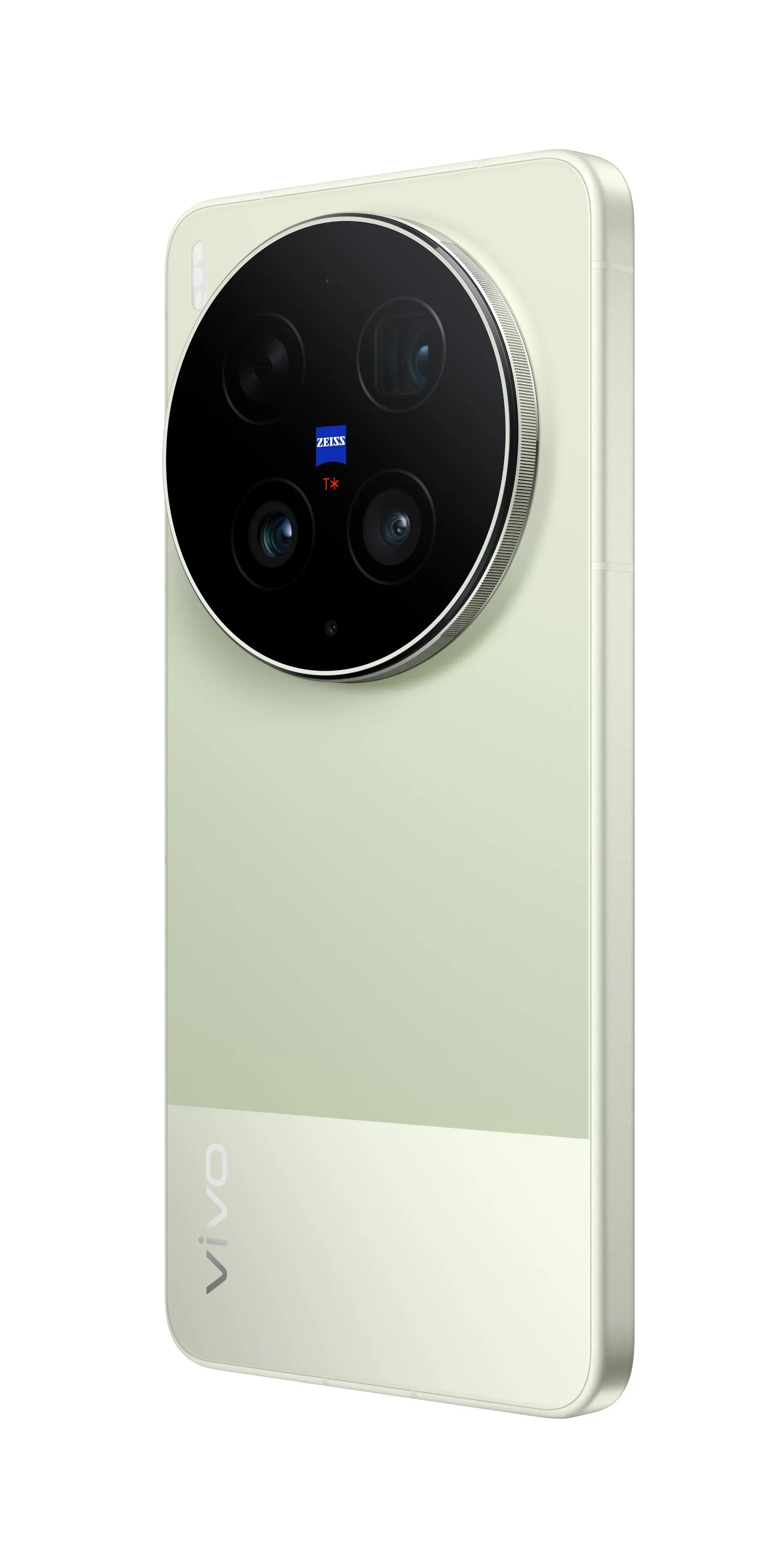
How about a native 35mm main camera?! | Image by Vivo
The Vivo X300 Ultra has only three cameras on its back and offers the smallest battery (6,600 mAh) of the bunch, but don’t let that fool you.
The X300 Ultra offers the most interesting main camera focal length by far. While the other two champions keep it boring and bland at 23mm, the Vivo flagship goes for the 35mm focal length (and it uses the new Sony LYT-901 sensor).
That’s a genius move, since 23mm is already too wide. If you’re into street photography, I think you can safely say that this is the phone for you.
But that’s not the end of it. The X300 Ultra also comes with the largest ultra-wide camera sensor at 1/1.28″.
In terms of telephoto, there’s the 200 MP ISOCELL HP0 sensor for the 3.7x dedicated zoom snapper. Ideal for portraits at 85mm, but Vivo’s digital zoom enhancements are pretty amazing, so I wouldn’t hesitate to go to 10x. Not at all, not at all.
The phone itself is 8.19mm thin and weighs 232.0g.
It’s got that silver medal in charging, since it offers 100W wired speeds, but supports “only” 40W wireless.
Get the Xiaomi 17 Ultra if you are a perfectionist
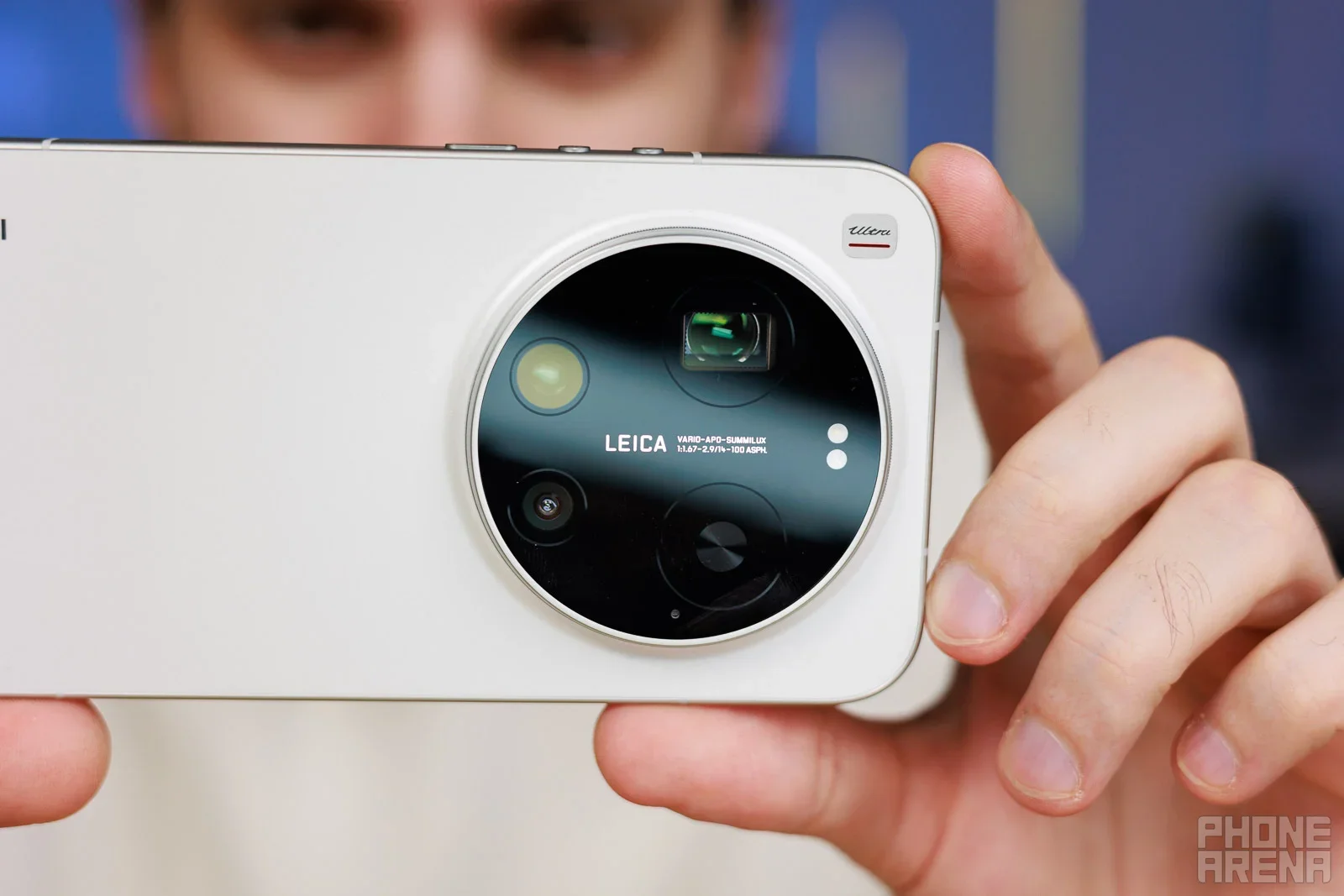
It’s an expensive phone, but it’s worth it. | Image by PhoneArena
Next stop: the phone that collaborates with the legendary Leica company. And it shows.
I’ll take a step to the side and I’ll tell you a secret – I still miss those Xiaomi 13 Ultra colors. Yes, that’s right, that’s a 2023 phone, but it was simply great. Especially for portraits. Or nature shots. Or street photography. Or nighttime pictures. Or… Yeah, you get it.
The Xiaomi 17 Ultra has the biggest main camera sensor. It may be “just” 50 MP (while the other two Ultras pack the new 200 MP sensor by Sony), but it’s a 1-inch sensor (while that new Sony sensor is 1/1.12-inch in size).
The Xiaomi 17 Ultra has a 200 MP sensor alright, but for its dedicated telephoto. The 4.2x optical zoom equals 100mm focal length and the sensor itself is fairly large at 1/1.4″ in size. Some may say they prefer 3x, not 4.2x, but 100mm is amazing for portraits and travel photography.
If this is important to you, the Xiaomi 17 Ultra has the biggest 6.9-inch display but the smallest (2608 x 1200 px) resolution. The other two offer 3168 x 1440 px resolution.
The phone comes with a solid battery at 6,800 mAh and it’s 8.5mm thin, while being 230g in weight.
The wired charging speeds go up only to 90W, but the wireless option supports 50W.
The big iOS advantage
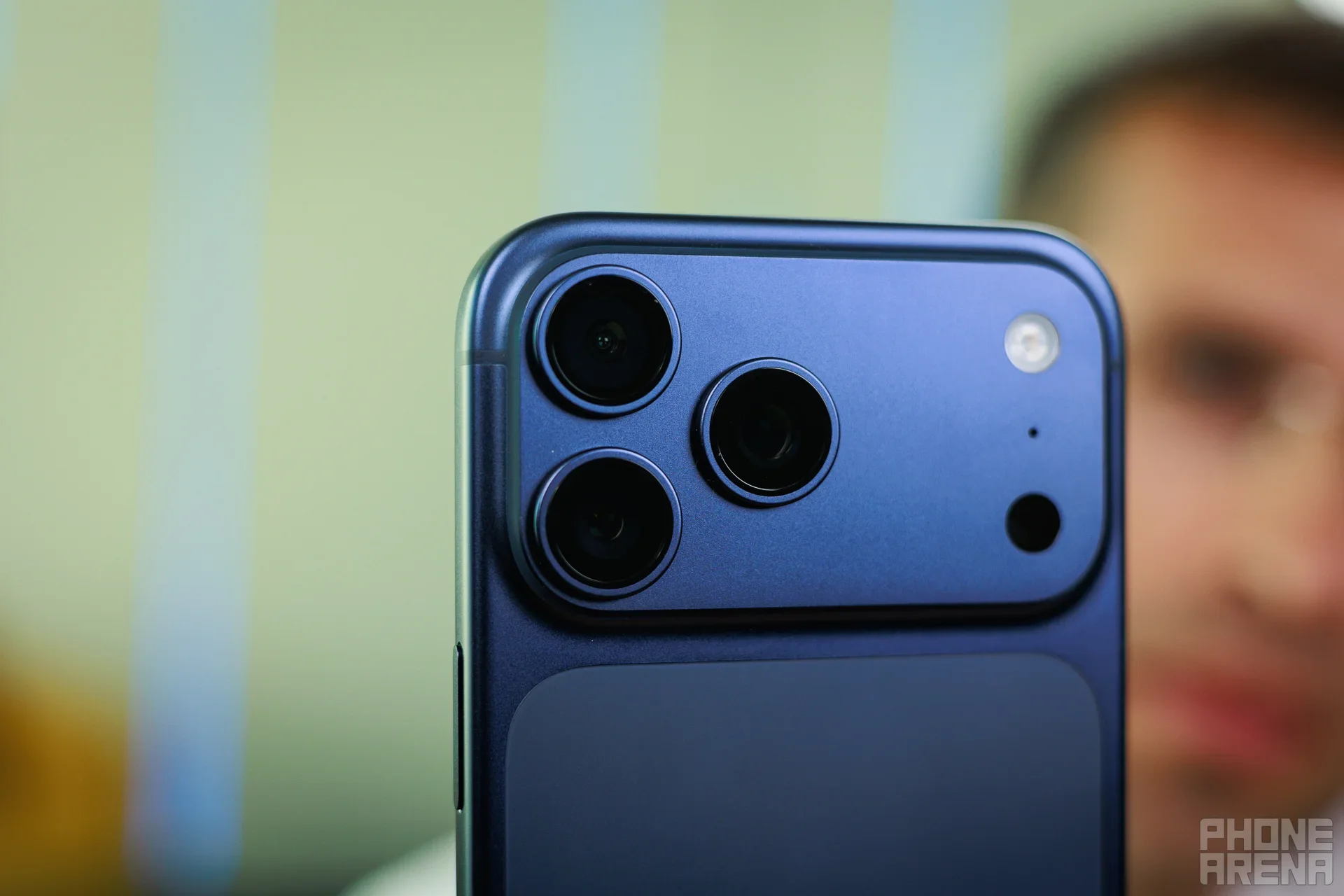
The iPhone 17 Pro Max is so cool. | Image by PhoneArena
There can’t be two separate “I want iOS…” sections, since the camera setup on the iPhone 17 Pro Max and the iPhone 17 Pro is the same.
But that’s the big Apple advantage: if you want the best iOS camera experience, but you dislike large phones, you don’t have to make a compromise.
True, the iPhone 17 Pro Max (or 17 Pro, for that matter) doesn’t offer 1-inch sensors, super-large apertures or fancy photography kits, but Apple’s latest handsets take impressive photos nevertheless.
Final thoughts
You can’t go wrong… whatever you choose.
Find X9 Ultra for those zoom maniacs, X300 Ultra for the street photogs and ultra-wide aficionados, Xiaomi 17 Ultra for the purists among us.
But the vast majority of people around you will probably just get the iPhone 17 Pro Max or the Galaxy S26 Ultra.
And that’s fine, as long as you buy a camera phone to actually take photos with. The only wrong move would be to spend a ton of cash on one of the aforementioned phones and only use it to switch between Instagram, TikTok and the Clock app for those 6 AM alarms.
