

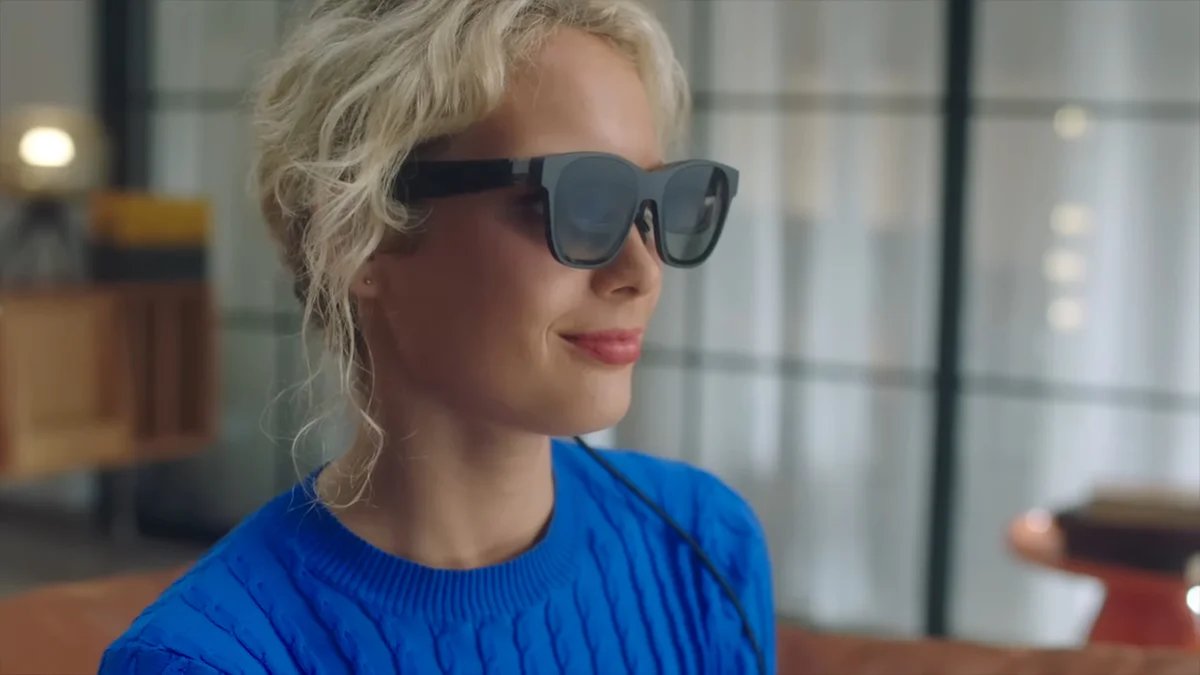
Now, Ray-Ban Meta glasses are facing very similar problems. According to WIRED, there’s a code inside Meta’s companion app, which appears to be designed to identify people by their faces, using the front camera.
Hidden NameTag found in Ray-Ban Meta companion app
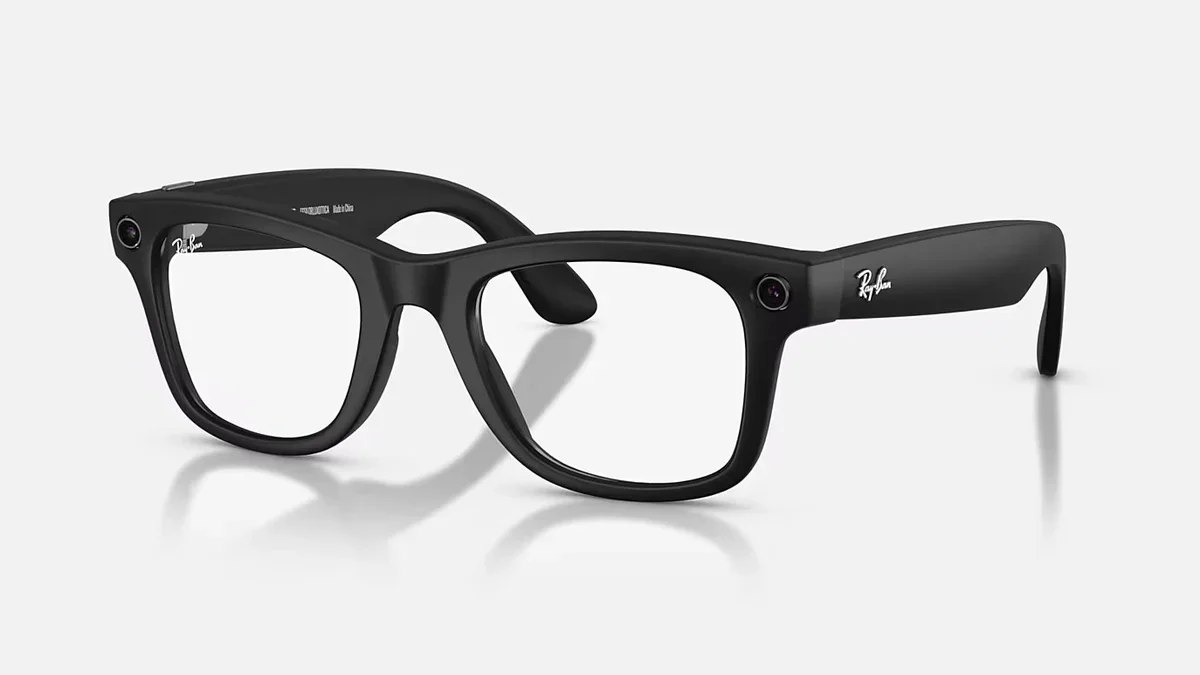
Meta’s Ray-Ban glasses could potentially scan and record your face data. | Image by Meta
The hidden NameTag points toward a new feature, which, according to WIRED, has been on millions of Ray-Ban and Oakley smart glasses since January.This feature includes three AI models, developed specifically to identify people. One of the components detects the face, another crops it and stores it on the phone, and the third one checks the biometric data against other “faceprints” already stored on the phone.
Code reviewed by WIRED uncovered an unreleased face-recognition system embedded in Meta’s smart glasses platform. It’s designed to identify people via biometric data stored on users’ phones.
– WIRED online
The feature isn’t active, but all the core components are in place. Earlier in May, the feature was spotted in the Meta AI app under the name “Connections,” and there was a text saying “remember the people you met.”The Meta AI app has been downloaded more than 50 million times.
Meta reacts to the findings with a pushback

The company said there are no evidence and the feature might not see the light of day. | Image by Meta
Meta reacted with a strong opinion about the report. Company representative Ryan Daniels told WIRED that these findings are “merely evidence” that Meta is toying with the idea, and “nothing has shipped to consumers and no final decision has been made.”Furthermore, the company stated that it is not secretly building a central biometric database of users’ faces, and if Meta decides to proceed with the feature, it will do so in an open and transparent way.
Not the first time NameTag surfaces
Back in February, The New York Times published a piece on the face-recognition feature, citing internal Meta documents.
Not only that, but these internal documents had very concerning notions such as the suggestion that the current “dynamic political environment” could distract potential critics of the feature. Basically saying, let’s do it while no one’s looking.
This new finding is also not the sole concern regarding Meta’s smart glasses. There are reports that people have found ways to physically disable the recording LED light to be able to secretly film people.
NameTag might not see the light of day
In the light of these new findings and all the media attention around NameTag and its privacy, Meta may decide to ditch the feature altogether.
The company shut down its Facebook face-recognition system back in 2021 after a similar backlash, so it’s plausible to expect a similar scenario for the Ray-Ban Meta glasses.
A face-recognition feature would be a neat and useful addition to Meta’s arsenal, but the potential privacy implications are huge. So, better remember the faces of people you met and not rely on a pair of glasses recording them, at least for now.
